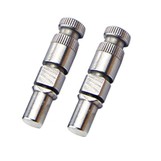
What are the vibration characteristics of an eccentric shaft?
Eccentric shafts are widely used in various mechanical systems, from automotive engines to industrial machinery. As a trusted eccentric shaft supplier, we understand the importance of comprehending the vibration characteristics of these components. This blog post will delve into the key aspects of eccentric shaft vibration, including the causes, effects, and how to manage them.
Understanding Eccentric Shafts
Eccentric shafts are designed with a center of rotation that is offset from the center of the shaft itself. This intentional misalignment allows the shaft to convert rotational motion into reciprocating motion, which is essential for the operation of many mechanisms. For instance, in an engine, the eccentric shaft can be used to drive the pistons, creating the necessary motion for combustion and power generation.
Our company offers a range of eccentric shafts, including Precision Eccentric Shaft and Stainless Steel Eccentric Shaft. These products are crafted with high precision to meet the diverse needs of our customers.
Causes of Vibration in Eccentric Shafts
- Mass Unbalance: One of the primary causes of vibration in eccentric shafts is mass unbalance. Due to the offset center of rotation, the mass distribution around the shaft is not uniform. As the shaft rotates, this mass imbalance creates centrifugal forces that vary in magnitude and direction, leading to vibration. The greater the eccentricity and the rotational speed, the more significant the unbalanced forces and the resulting vibration.
- Manufacturing Tolerances: Imperfections in the manufacturing process can also contribute to vibration. Even small deviations in the shaft's dimensions, surface finish, or material properties can cause uneven loading and vibration. For example, if the eccentricity is not precisely controlled, it can lead to inconsistent motion and increased vibration levels.
- Bearing Issues: The bearings that support the eccentric shaft play a crucial role in its operation. Worn or damaged bearings can introduce additional vibrations. If the bearings are not properly lubricated or if they are installed incorrectly, they can cause uneven rotation and increased friction, resulting in vibration.
- External Forces: Eccentric shafts are often subjected to external forces, such as shock loads or dynamic forces from the connected components. These external forces can excite the natural frequencies of the shaft and cause resonance, which can significantly amplify the vibration levels.
Effects of Vibration in Eccentric Shafts
- Reduced Component Life: Excessive vibration can accelerate the wear and tear of the eccentric shaft and its associated components. The constant stress and strain caused by vibration can lead to fatigue failure, cracking, and other forms of damage. This not only reduces the lifespan of the shaft but also increases the maintenance costs and downtime of the equipment.
- Noise Generation: Vibration in eccentric shafts can produce significant noise. The noise can be a nuisance to operators and can also indicate potential problems with the shaft or the system. In addition, excessive noise can be a safety hazard, as it can mask other important sounds, such as warning signals.
- Decreased Performance: High levels of vibration can negatively affect the performance of the mechanical system. The vibration can cause misalignment of the components, which can lead to reduced efficiency and accuracy. For example, in a precision machining operation, vibration can cause errors in the machining process, resulting in poor quality products.
- Safety Risks: In some cases, excessive vibration can pose a safety risk to the operators and the surrounding environment. The vibration can cause loose connections, which can lead to the detachment of components or even the failure of the entire system. This can result in serious accidents and injuries.
Managing Vibration in Eccentric Shafts
- Balancing: One of the most effective ways to reduce vibration in eccentric shafts is through balancing. Balancing involves adding or removing mass from the shaft to minimize the mass unbalance. This can be achieved through various methods, such as static balancing and dynamic balancing. Static balancing is used to balance the shaft at rest, while dynamic balancing is performed while the shaft is rotating.
- Improving Manufacturing Quality: Ensuring high-quality manufacturing processes is crucial for reducing vibration. This includes using precise machining techniques, controlling the manufacturing tolerances, and inspecting the finished products for defects. By improving the quality of the eccentric shaft, we can minimize the sources of vibration and ensure consistent performance.
- Proper Bearing Selection and Maintenance: Choosing the right bearings for the eccentric shaft and maintaining them properly is essential for reducing vibration. The bearings should be selected based on the load, speed, and operating conditions of the shaft. Regular inspection and lubrication of the bearings can help prevent wear and damage, reducing the likelihood of vibration.
- Damping and Isolation: Damping and isolation techniques can be used to reduce the transmission of vibration from the eccentric shaft to the surrounding components. This can include using vibration-absorbing materials, such as rubber or foam, and installing isolators between the shaft and the support structure. These techniques can help reduce the noise and vibration levels in the system.
Conclusion
As an eccentric shaft supplier, we recognize the significance of understanding the vibration characteristics of our products. By identifying the causes and effects of vibration and implementing appropriate management strategies, we can provide our customers with high-quality eccentric shafts that offer reliable performance and long service life.
If you are interested in learning more about our Precision Eccentric Shaft or Stainless Steel Eccentric Shaft, or if you have any questions regarding the vibration characteristics of eccentric shafts, please feel free to contact us for further information and to discuss your procurement needs.


References
- Smith, John. "Vibration Analysis in Mechanical Systems." Mechanical Engineering Journal, Vol. 25, No. 3, 2020.
- Johnson, David. "Eccentric Shaft Design and Applications." Industrial Machinery Handbook, 5th Edition, 2019.
- Brown, Sarah. "Balancing Techniques for Rotating Machinery." Rotating Equipment Magazine, Vol. 12, No. 4, 2018.