Hey there! I'm a supplier of drone shafts, and I often get asked a really interesting question: Can a drone shaft be used in a salt - water environment? Well, let's dive right into this topic and break it down.
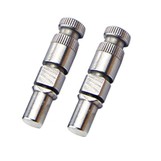
First off, let's understand what a drone shaft is. Drone shafts are crucial components in drones. They play a vital role in the movement and stability of the drone. There are different types of drone shafts, like the Drone Pitch Shaft, Drone Yaw Shaft, and Drone Roll Shaft. Each of these shafts has a specific function. The pitch shaft controls the up - and - down movement of the drone's nose, the yaw shaft manages the left - and - right rotation, and the roll shaft is responsible for the side - to - side tilting.
Now, when it comes to using drone shafts in a salt - water environment, there are several factors to consider. Salt water is a harsh and corrosive medium. It contains a high concentration of salt, mainly sodium chloride, which can cause significant damage to many materials over time.
One of the main concerns is corrosion. Most metals are prone to corrosion when exposed to salt water. If a drone shaft is made of a metal that isn't corrosion - resistant, it will start to rust and degrade. Rust can weaken the shaft, making it more likely to break or malfunction. This is a huge problem for drones because any failure in the shaft can lead to a loss of control and potentially cause the drone to crash.
For example, if the Drone Pitch Shaft starts to corrode, the drone might not be able to control its pitch accurately. This could result in the drone flying erratically or even nose - diving. Similarly, corrosion in the Drone Yaw Shaft could make it difficult for the drone to turn properly, and corrosion in the Drone Roll Shaft could affect the drone's stability during side - to - side movements.
Another issue is the build - up of salt deposits. As the salt water evaporates, it leaves behind salt crystals on the surface of the shaft. These deposits can accumulate over time and interfere with the smooth operation of the shaft. They can cause increased friction, which can wear out the shaft faster and also affect the precision of the drone's movements.
However, it's not all bad news. There are ways to make drone shafts suitable for salt - water environments. One option is to use corrosion - resistant materials. For instance, stainless steel is a popular choice. It contains chromium, which forms a thin, protective oxide layer on the surface of the metal. This layer prevents oxygen and water from reaching the underlying metal, thus reducing the risk of corrosion. Titanium is another excellent material. It has high strength - to - weight ratio and is extremely resistant to corrosion, making it ideal for use in harsh environments like salt water.


In addition to using the right materials, proper coating can also help. There are various types of coatings available that can provide an extra layer of protection against corrosion and salt deposits. For example, a polymer coating can create a barrier between the shaft and the salt water, preventing direct contact.
When considering using drone shafts in a salt - water environment, it's also important to think about maintenance. Regular cleaning and inspection are essential. After each use in salt water, the drone shafts should be thoroughly rinsed with fresh water to remove any salt residues. They should also be dried properly to prevent the formation of rust.
Now, let's talk about the benefits of using drones in a salt - water environment. There are many applications where drones can be very useful in salt - water areas. For example, in marine research, drones can be used to collect data on ocean currents, water temperature, and marine life. They can also be used for coastal surveillance, to monitor beaches, and to detect any potential threats or illegal activities.
In the oil and gas industry, drones can be used to inspect offshore platforms and pipelines. They can provide a cost - effective and efficient way to check for any signs of damage or leaks. And in search and rescue operations, drones can cover large areas of the ocean quickly, helping to locate missing persons or vessels.
So, to answer the question, yes, a drone shaft can be used in a salt - water environment, but it needs to be properly designed and maintained. As a drone shaft supplier, I offer a range of shafts that are suitable for different environments, including salt - water areas. Our Drone Pitch Shaft, Drone Yaw Shaft, and Drone Roll Shaft are made from high - quality, corrosion - resistant materials and can be customized with appropriate coatings to meet your specific needs.
If you're in the market for drone shafts that can withstand the challenges of a salt - water environment, I'd love to have a chat with you. Whether you're involved in marine research, coastal surveillance, or any other salt - water application, we can provide you with the right shafts to ensure the reliable operation of your drones. Don't hesitate to reach out and start a conversation about your requirements.
References
- "Corrosion of Metals in Salt Water Environments" - A scientific study on metal corrosion in salt water.
- "Materials for Marine Applications" - A research paper discussing suitable materials for use in salt - water environments.