Hey there! As a supplier of mini shafts, I often get asked if these little components can be used in textile machines. Well, let's dive right into this topic and find out.
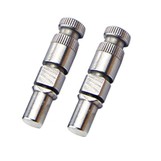
First off, what exactly is a mini shaft? A mini shaft is a small - sized shaft, usually made from high - quality materials like stainless steel. You can check out our Stainless Steel Mini Shaft for a better idea of what I'm talking about. These shafts are precision - engineered to meet specific requirements, and they come in various shapes and sizes.
Now, let's look at textile machines. Textile machines are complex pieces of equipment used in the textile industry for processes like spinning, weaving, knitting, and dyeing. They have a lot of moving parts, and each part plays a crucial role in the overall operation of the machine.
One of the key factors in determining whether a mini shaft can be used in a textile machine is the size and space constraints. Textile machines are often compact, especially those used in small - scale or home - based textile production. Mini shafts are a great fit here because of their small size. They can easily be integrated into tight spaces within the machine without causing any interference with other components. For example, in some knitting machines, there are small areas where a regular - sized shaft would be too big, but a mini shaft can be installed perfectly.
Another important aspect is the load - bearing capacity. Textile machines may have different levels of mechanical stress depending on the process they perform. Some spinning machines, for instance, require parts that can withstand high rotational speeds and moderate to high loads. Mini shafts, when made from the right materials and with proper engineering, can handle these loads. Stainless steel mini shafts are known for their strength and durability. They can resist wear and tear, which is essential in a textile machine environment where there's a lot of friction and movement.
The precision of the mini shaft is also vital. In textile manufacturing, accuracy is key. Even a small deviation in the movement of a shaft can lead to defects in the fabric. Mini shafts are usually manufactured with high precision using advanced machining techniques. This ensures that they can rotate smoothly and maintain the exact position required for the textile machine to operate efficiently. For example, in a weaving machine, the mini shaft needs to rotate at a consistent speed to create an even warp and weft pattern in the fabric.
Let's talk about the cost - effectiveness. Using mini shafts in textile machines can be a cost - saving option. Since they are smaller in size, they generally use less material, which reduces the production cost. This can lead to lower overall costs for the textile machine manufacturers or operators. And for small - scale textile businesses, this can be a significant advantage as they may have a limited budget.
However, there are also some challenges to consider. One of the potential issues is the heat dissipation. In a textile machine, there can be a lot of heat generated due to friction and the operation of motors. Mini shafts, being small, may have less surface area for heat to dissipate. But this can be overcome by using proper lubrication and heat - resistant materials. For example, applying a high - quality lubricant can reduce friction and, in turn, the amount of heat generated.
Another challenge is the maintenance. Mini shafts, although durable, still need to be maintained regularly. Since they are small, they may be more difficult to access and replace compared to regular - sized shafts. But with proper training and the right tools, this can be managed. Textile machine operators should be educated on how to check the condition of the mini shafts and perform basic maintenance tasks.

In some cases, the compatibility of the mini shaft with other components in the textile machine is also a concern. Different textile machines may have different specifications for their shafts. For example, the type of coupling or the way the shaft is connected to the motor may vary. But as a supplier, we can work with textile machine manufacturers to customize the mini shafts to fit their specific needs.
To sum it up, yes, a mini shaft can definitely be used in a textile machine. Its small size, load - bearing capacity, precision, and cost - effectiveness make it a viable option. However, textile machine manufacturers and operators need to be aware of the potential challenges and take appropriate measures to ensure the smooth operation of the machine.
If you're in the textile industry and are considering using mini shafts in your machines, I'd love to have a chat with you. Whether you have questions about the technical specifications, the installation process, or just want to get a quote, don't hesitate to reach out. We're here to help you find the best mini shaft solutions for your textile machines.
References
- "Handbook of Textile Machinery Technology"
- "Mechanical Engineering Principles for Textile Applications"