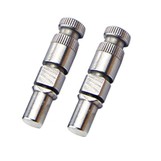
As a drive shaft supplier, I often encounter questions from customers about the speed ratings of drive shafts. One of the most common inquiries is whether it's possible to exceed the speed rating of a drive shaft. This is a critical question that requires a comprehensive understanding of drive shaft technology, engineering principles, and safety considerations. In this blog post, I'll delve into the factors that determine a drive shaft's speed rating, the potential consequences of exceeding it, and whether there are any circumstances where it might be feasible.
Understanding Drive Shaft Speed Ratings
The speed rating of a drive shaft is a carefully calculated value that indicates the maximum rotational speed at which the shaft can operate safely and efficiently. This rating is determined by several factors, including the material of the drive shaft, its design, and the manufacturing process. For instance, a Stainless Steel Drive Shaft may have different speed capabilities compared to a shaft made from other materials due to the unique properties of stainless steel, such as its strength and corrosion resistance.
Manufacturers conduct extensive testing to establish the speed ratings of their drive shafts. These tests simulate real-world operating conditions to ensure that the shafts can withstand the stresses and forces generated at high speeds. Factors such as centrifugal force, vibration, and torque are taken into account during the testing process. The speed rating is then specified in the product documentation, providing customers with a clear guideline on the safe operating limits of the drive shaft.
The Dangers of Exceeding the Speed Rating
Exceeding the speed rating of a drive shaft can have serious consequences. One of the primary risks is the increased likelihood of mechanical failure. At high speeds, the centrifugal force acting on the drive shaft can cause it to deform or even break. This can lead to catastrophic damage to the equipment and pose a significant safety hazard to operators and bystanders.


Vibration is another issue that can arise when a drive shaft is operated beyond its speed rating. Excessive vibration can cause premature wear and tear on the drive shaft and other components of the system, reducing their lifespan and increasing the need for maintenance and repairs. In some cases, vibration can also lead to misalignment, which can further exacerbate the problem and cause additional damage.
Factors That Can Affect a Drive Shaft's Ability to Handle Higher Speeds
While exceeding the speed rating is generally not recommended, there are certain factors that can influence a drive shaft's ability to handle higher speeds. One of these factors is the quality of the drive shaft's construction. A Precision Drive Shaft, for example, is manufactured to very tight tolerances, which can improve its balance and reduce vibration at high speeds. This can make it more suitable for applications that require higher rotational speeds.
The type of application also plays a role in determining whether a drive shaft can handle higher speeds. Some applications, such as those in high-performance racing vehicles or industrial machinery, may require drive shafts to operate at speeds close to or even slightly above their rated limits. In these cases, it's essential to work closely with a drive shaft supplier to ensure that the shaft is properly designed and engineered to meet the specific requirements of the application.
When Exceeding the Speed Rating Might Be Considered
In some rare cases, it may be possible to exceed the speed rating of a drive shaft, but only under very specific conditions and with careful consideration. For example, if a drive shaft is operating in a controlled environment with minimal vibration and stress, and if it has been properly modified and reinforced to handle the increased speed, it may be possible to push the limits slightly. However, this should only be done after consulting with a qualified engineer or drive shaft expert.
It's important to note that any attempt to exceed the speed rating should be thoroughly documented and monitored. Regular inspections and maintenance should be carried out to ensure that the drive shaft is still operating safely and that there are no signs of excessive wear or damage.
Conclusion
In conclusion, while it may be tempting to exceed the speed rating of a drive shaft to achieve higher performance, it's generally not recommended due to the significant risks involved. The speed rating is established for a reason, and exceeding it can lead to mechanical failure, increased vibration, and other problems that can compromise the safety and reliability of the equipment.
As a drive shaft supplier, I always recommend that customers adhere to the manufacturer's speed ratings and consult with our team of experts if they have any questions or specific requirements. We can provide guidance on selecting the right drive shaft for your application and offer solutions to help you optimize the performance of your equipment within the safe operating limits.
If you're in the market for a high-quality drive shaft or have any questions about drive shaft speed ratings, please don't hesitate to contact us. Our team of experienced professionals is ready to assist you in finding the perfect solution for your needs. Whether you require a Stainless Steel Drive Shaft or a Precision Drive Shaft, we have the expertise and resources to provide you with the best products and services.
References
- "Drive Shaft Design and Analysis" - A technical manual on drive shaft engineering principles.
- "Safety Standards for Rotating Machinery" - Industry standards and guidelines for safe operation of drive shafts.
- "Materials Science for Drive Shafts" - Research on the properties of different materials used in drive shaft manufacturing.