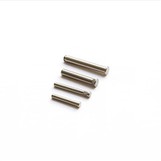
Hey there! I'm a supplier of Drone Yaw Shafts, and today I wanna chat about whether these nifty little parts can handle harsh environments.
Let's start by getting a bit of background. For those who aren't super into drones, the yaw shaft is a crucial component. It's responsible for the side - to - side rotation of the drone, kind of like how you turn your head left and right. Alongside it, we've got the Drone Roll Shaft, which controls the tilting from side to side, and the Drone Pitch Shaft, which manages the up - and - down movement. But our focus here is the Drone Yaw Shaft.
What are Harsh Environments?
First off, we need to define what we mean by "harsh environments." These can be a whole bunch of things. Extreme temperatures are a biggie. Think about drones flying in the scorching heat of a desert, where temperatures can soar above 50°C (122°F), or in the freezing cold of the Arctic, where it can drop to - 40°C (- 40°F) or even lower.
High humidity is another factor. In tropical rainforests or near the ocean, the air is full of moisture. This can lead to corrosion of the drone's components, including the yaw shaft. And then there's dust and sand. In deserts or construction sites, fine particles can get into the moving parts of the drone and cause wear and tear.
Can the Drone Yaw Shaft Cope?
Material Matters
The material of the yaw shaft plays a huge role in its ability to withstand harsh conditions. Most of the yaw shafts we supply are made from high - grade metals like stainless steel or titanium. Stainless steel is great because it's resistant to corrosion, which is a big plus in humid or wet environments. Titanium, on the other hand, is super strong and lightweight. It can handle high stress and temperature variations without deforming easily.
For example, in a high - humidity environment like a coastal area, a stainless - steel yaw shaft will resist rusting. The chromium in stainless steel forms a thin oxide layer on the surface, protecting it from moisture. And in extreme temperature scenarios, titanium's high melting point and low coefficient of thermal expansion mean it won't expand or contract too much, keeping the drone's yaw function stable.
Design Features
The design of the yaw shaft also matters. We've incorporated features like sealed bearings. These bearings are designed to keep out dust, sand, and moisture. They have special seals that prevent particles from getting inside and causing damage to the moving parts.
Another design aspect is the precision machining of the shaft. A well - machined yaw shaft has a smooth surface finish, which reduces friction. Less friction means less wear and tear, even in harsh conditions. For instance, in a dusty environment, a smooth - surfaced shaft is less likely to trap dust particles, which could otherwise act like sandpaper and wear down the shaft.
Lubrication
Proper lubrication is key. We use high - performance lubricants that are designed to work in a wide range of temperatures. In cold environments, a lubricant with a low pour point is essential. This ensures that the lubricant doesn't thicken and become too viscous, which could impede the movement of the yaw shaft. In hot environments, a lubricant with high thermal stability is needed to prevent it from breaking down and losing its lubricating properties.
For example, in a desert environment, our high - temperature lubricant will maintain its viscosity and keep the yaw shaft moving smoothly, even when the heat is intense.
Real - World Examples
Let's look at some real - world cases. There are drones used for environmental monitoring in the Amazon rainforest. These drones have to deal with high humidity, heavy rainfall, and a lot of vegetation. Our Drone Yaw Shafts have been used in these drones, and they've held up well. The stainless - steel construction and sealed bearings have protected them from the moisture and debris in the rainforest.
On the other hand, drones used in desert military operations face extreme heat and dust. The titanium yaw shafts we supply can handle the high temperatures, and the sealed bearings keep out the sand. These drones are able to perform their missions without issues related to the yaw function.
Challenges and Limitations
Of course, it's not all smooth sailing. There are still some challenges. In extremely high - temperature environments, even the best - designed yaw shafts can face limitations. At very high temperatures, the lubricant may start to break down faster than normal, and the metal may start to lose some of its strength.
In environments with very fine dust, like in a flour mill or a volcanic ash zone, the dust particles can be so small that they can still find their way into the sealed bearings. This can eventually lead to increased wear and reduced performance of the yaw shaft.
Maintenance is Key
Even though our yaw shafts are designed to be tough, regular maintenance is still necessary. In harsh environments, it's a good idea to check the yaw shaft more frequently. This includes inspecting for signs of wear, cleaning the shaft and bearings, and reapplying lubricant if needed.
For example, if a drone has been flying in a dusty environment, it's important to clean the yaw shaft and bearings to remove any trapped dust particles. And in a humid environment, checking for signs of corrosion and treating it early can prevent further damage.
Conclusion
So, can the Drone Yaw Shaft be used in harsh environments? The answer is a resounding yes, with the right design, materials, and maintenance. Our yaw shafts are built to last, whether it's in the heat of the desert, the cold of the poles, or the humidity of the tropics.


If you're in the market for high - quality Drone Yaw Shafts that can handle tough conditions, we're here to help. Whether you're a drone manufacturer, a hobbyist, or someone using drones for professional applications, we've got the products you need. Get in touch with us to discuss your requirements and start a procurement process. We're confident that our Drone Yaw Shafts will meet your expectations and keep your drones flying smoothly, no matter where they go.
References
- "Materials Science for Aerospace Applications" - A textbook that covers the properties of metals like stainless steel and titanium in extreme conditions.
- "Drone Technology and Maintenance Guide" - A practical guide that discusses the challenges of operating drones in different environments.
- Industry reports on drone component performance in harsh conditions from leading drone research organizations.