Hey there! As a drive shaft supplier, I've seen my fair share of rusty drive shafts. Rust is a real pain in the neck, and it can cause all sorts of problems for your drive shaft. So, I thought I'd share some tips on how to prevent rust on a drive shaft.
Understanding Why Drive Shafts Rust
First off, let's talk about why drive shafts rust in the first place. Rust is basically a form of corrosion that happens when iron or steel reacts with oxygen in the presence of water. Drive shafts are often made of steel, and they're exposed to all kinds of harsh conditions on the road. They can get splashed with water from puddles, and they're also exposed to salt on the roads during winter. All these factors can speed up the rusting process.
Choose the Right Material
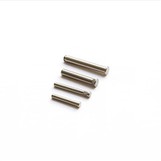
One of the easiest ways to prevent rust is to choose the right material for your drive shaft. Stainless steel is a great option because it contains chromium, which forms a protective layer on the surface of the shaft. This layer helps to prevent oxygen and water from reaching the steel, thus reducing the risk of rust. If you're in the market for a new drive shaft, check out our Stainless Steel Drive Shaft. It's made from high - quality stainless steel and is built to resist rust.
Coatings and Treatments
Applying a coating or treatment to your drive shaft can also go a long way in preventing rust. There are several types of coatings available, such as paint, powder coating, and galvanizing.
- Paint: A good quality paint can act as a barrier between the drive shaft and the elements. You can choose a paint that's specifically designed for metal surfaces and is resistant to water and chemicals. Before painting, make sure to clean the drive shaft thoroughly to remove any dirt, grease, or existing rust.
- Powder Coating: Powder coating is a more durable option than paint. It involves applying a dry powder to the drive shaft and then baking it in an oven. The powder melts and forms a hard, protective layer on the surface of the shaft. Powder coating is resistant to chipping, scratching, and rust.
- Galvanizing: Galvanizing is the process of coating the drive shaft with a layer of zinc. Zinc is more reactive than steel, so when the drive shaft is exposed to the elements, the zinc corrodes instead of the steel. This sacrificial protection helps to prevent rust on the drive shaft.
Regular Cleaning and Maintenance
Regular cleaning and maintenance are crucial for preventing rust on a drive shaft. Here are some steps you can take:
- Clean After Exposure: If your drive shaft has been exposed to water, salt, or other corrosive substances, make sure to clean it as soon as possible. Use a mild detergent and water to clean the shaft, and then dry it thoroughly.
- Inspect Regularly: Check your drive shaft regularly for any signs of rust or damage. Look for small spots of rust or any areas where the coating may be chipped or worn. If you notice any problems, address them immediately.
- Lubrication: Lubricating the moving parts of the drive shaft can also help to prevent rust. Use a high - quality lubricant that's designed for metal surfaces. Lubrication not only reduces friction but also helps to protect the metal from corrosion.
Storage Conditions
How you store your drive shaft can also affect its susceptibility to rust. Here are some storage tips:


- Keep it Dry: Store your drive shaft in a dry place. Avoid storing it in areas where there's a lot of moisture, such as a basement or a garage with poor ventilation.
- Use a Cover: If possible, cover your drive shaft with a protective cover. This can help to keep dust, dirt, and moisture away from the shaft.
- Elevate the Shaft: Don't let the drive shaft sit directly on the ground. Elevate it on a rack or a stand to prevent it from coming into contact with moisture on the floor.
Precision Drive Shafts and Rust Prevention
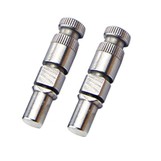
At our company, we also offer Precision Drive Shaft. These drive shafts are machined to very high tolerances, which means they fit together perfectly and are less likely to develop problems that can lead to rust. The precision manufacturing process also ensures that the surface finish of the drive shaft is smooth, which makes it more resistant to rust.
In conclusion, preventing rust on a drive shaft is all about taking the right steps from the start. Choose the right material, apply appropriate coatings, keep up with regular cleaning and maintenance, and store the drive shaft properly. By following these tips, you can extend the lifespan of your drive shaft and keep it in top condition.
If you're interested in purchasing high - quality drive shafts that are designed to resist rust, we'd love to hear from you. Whether you're a mechanic, a car enthusiast, or a business in need of drive shafts, we can provide you with the products and solutions you need. Contact us today to start a procurement discussion and find the perfect drive shaft for your needs.
References
- ASM Handbook Volume 13A: Corrosion: Fundamentals, Testing, and Protection. ASM International.
- Corrosion Basics: An Introduction. NACE International.