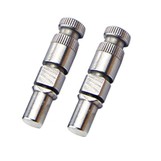
In the intricate world of robotics, the smooth and efficient operation of robot shafts is of paramount importance. Robot shafts are the unsung heroes, enabling the precise movement and functionality of robotic systems. One critical aspect that often goes unnoticed but significantly impacts the performance and lifespan of these shafts is lubrication. As a leading robot shaft supplier, I understand the nuances of lubrication intervals and their implications for the optimal functioning of robot shafts.
Understanding the Role of Lubrication in Robot Shafts
Before delving into the lubrication intervals, it's essential to grasp why lubrication is crucial for robot shafts. Lubrication serves multiple purposes. Firstly, it reduces friction between the moving parts of the shaft. Friction can generate heat, which not only wears down the components but can also lead to mechanical failures. By minimizing friction, lubrication helps in extending the service life of the shaft.
Secondly, lubrication acts as a protective barrier against corrosion. Robot shafts are often exposed to various environmental conditions, including humidity and contaminants. A proper lubricant forms a thin film on the shaft surface, preventing moisture and other corrosive agents from coming into contact with the metal, thus safeguarding the shaft from rust and degradation.
Moreover, lubrication aids in noise reduction. In a robotic system, excessive noise can be a sign of inefficient operation or impending failure. A well - lubricated shaft operates more quietly, indicating smooth movement and better overall performance.
Factors Affecting Lubrication Intervals
Determining the appropriate lubrication intervals for a robot shaft is not a one - size - fits - all approach. Several factors come into play, and understanding these is key to establishing an effective lubrication schedule.
Operating Conditions
The environment in which the robot operates has a significant impact on lubrication intervals. For instance, if a robot is used in a dusty or dirty environment, the lubricant can quickly become contaminated. Dust particles can act as abrasives, accelerating wear on the shaft. In such cases, more frequent lubrication may be required to maintain the integrity of the lubricant film and protect the shaft.
On the other hand, robots operating in clean, climate - controlled environments may have longer lubrication intervals. These environments reduce the risk of contamination and minimize the effects of temperature and humidity fluctuations on the lubricant.
Load and Speed
The load that the robot shaft bears and the speed at which it operates are also crucial factors. High - load applications put more stress on the shaft and the lubricant. The lubricant needs to be able to withstand the pressure and maintain its viscosity to provide adequate protection. Similarly, high - speed operation generates more heat and friction, which can break down the lubricant faster. As a result, shafts under high load or operating at high speeds typically require more frequent lubrication.
Type of Lubricant
There are various types of lubricants available, each with its own properties and recommended service intervals. Greases are commonly used for robot shafts due to their ability to stay in place and provide long - term lubrication. However, different greases have different base oils, additives, and thickeners, which affect their performance and longevity. Synthetic lubricants, for example, often have better resistance to high temperatures and oxidation compared to mineral - based lubricants, allowing for longer lubrication intervals in certain applications.
General Guidelines for Lubrication Intervals
While the specific lubrication intervals depend on the factors mentioned above, some general guidelines can be followed.
For light - duty robots operating in clean environments with low loads and speeds, lubrication may be required every 1000 - 2000 operating hours. This could be suitable for robots used in simple assembly lines or laboratory settings.
In medium - duty applications, such as those in industrial manufacturing where the robot is exposed to moderate loads and some contaminants, lubrication should be carried out every 500 - 1000 operating hours.
Heavy - duty robots, which are often used in harsh environments with high loads and speeds, may need lubrication every 200 - 500 operating hours. These robots are commonly found in mining, construction, or heavy machinery industries.
It's important to note that these are just rough estimates, and the actual lubrication intervals should be determined based on a detailed analysis of the specific robot and its operating conditions.
Importance of Regular Lubrication Checks
Even with a well - defined lubrication schedule, regular checks are essential. Visual inspections can reveal signs of lubricant degradation, such as discoloration or the presence of contaminants. Monitoring the temperature of the shaft during operation can also provide insights into the effectiveness of the lubrication. An increase in temperature may indicate that the lubricant is not performing as expected and that lubrication may need to be carried out sooner than scheduled.
Choosing the Right Lubricant for Robot Shafts
As a robot shaft supplier, I often assist customers in selecting the appropriate lubricant for their applications. When choosing a lubricant, consider the following:
Compatibility
The lubricant must be compatible with the materials used in the robot shaft. Some lubricants may react with certain metals or polymers, causing damage to the shaft. It's important to consult the shaft manufacturer's recommendations to ensure compatibility.
Viscosity
The viscosity of the lubricant determines its ability to flow and provide adequate lubrication. In high - speed applications, a lower - viscosity lubricant may be required to reduce friction. In contrast, high - load applications may need a higher - viscosity lubricant to withstand the pressure.
Additives
Lubricants often contain additives to enhance their performance. Anti - wear additives can reduce the wear on the shaft, while antioxidants can prevent the lubricant from oxidizing and breaking down. Consider the specific requirements of your application when choosing a lubricant with additives.
The Role of a Reliable Robot Shaft Supplier
As a [Your Position] in the robot shaft supply industry, I am committed to providing not only high - quality Robot Main Shaft but also comprehensive support in maintaining them. We understand that proper lubrication is a critical part of ensuring the long - term performance of our products.
Our team of experts can assist you in determining the most suitable lubrication intervals for your robot shafts based on your specific application. We also offer a range of lubricants that are carefully selected to meet the diverse needs of our customers.
Conclusion
In conclusion, the lubrication intervals for a robot shaft are a complex but crucial aspect of robotic system maintenance. By considering the operating conditions, load, speed, and type of lubricant, you can establish an effective lubrication schedule that maximizes the performance and lifespan of your robot shafts.

Regular lubrication checks and the use of the right lubricant are equally important. As a trusted robot shaft supplier, I encourage you to reach out to us for more information on lubrication and to discuss your specific requirements. Whether you are looking for advice on lubrication intervals or need to purchase high - quality robot shafts, our team is here to assist you. Contact us today to start a conversation about how we can help you optimize your robotic systems.
References
- Machinery's Handbook: A comprehensive reference for mechanical engineering, which provides in - depth information on lubrication and machine components.
- Manufacturer's manuals for robot shafts and lubricants, which offer specific guidelines and recommendations for their products.
- Industry research papers on robotics and maintenance, which discuss the latest trends and best practices in robot shaft lubrication.