Upgrading your vehicle's drive shaft is a significant step towards enhancing its overall performance. As a drive shaft supplier, I've witnessed firsthand how a well - chosen drive shaft can transform a vehicle's power delivery, efficiency, and durability. In this blog, I'll share insights on how you can upgrade your vehicle's drive shaft for better performance.
Understanding the Drive Shaft
Before delving into the upgrade process, it's crucial to understand what a drive shaft is and its function. A drive shaft is a mechanical component used to transmit torque and rotation, usually from a vehicle's transmission to the differential, which then transfers power to the wheels. It plays a vital role in ensuring that the engine's power is efficiently transferred to the wheels, enabling the vehicle to move forward or backward.
The drive shaft must be able to withstand high levels of torque and rotational forces while maintaining its integrity. Over time, the drive shaft can wear out due to normal use, vibrations, and exposure to harsh conditions. Upgrading the drive shaft can address these issues and improve the vehicle's performance.
Reasons to Upgrade Your Drive Shaft
There are several compelling reasons to upgrade your vehicle's drive shaft:
1. Improved Power Transmission
An upgraded drive shaft can transmit power more efficiently from the engine to the wheels. This results in better acceleration, smoother gear shifts, and overall improved performance. For high - performance vehicles or those used for towing and hauling, a more efficient drive shaft can make a significant difference in power delivery.
2. Enhanced Durability
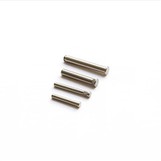
Stock drive shafts may not be able to withstand the demands of high - performance driving or heavy - duty use. Upgrading to a more robust drive shaft, such as a Stainless Steel Drive Shaft, can provide increased durability. Stainless steel is corrosion - resistant and can handle higher levels of stress, reducing the risk of premature failure.

3. Reduced Vibration
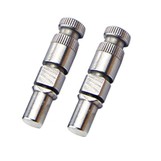
A worn - out or imbalanced drive shaft can cause excessive vibrations in the vehicle. These vibrations can be not only uncomfortable for the driver and passengers but also lead to other mechanical problems over time. Upgrading to a Precision Drive Shaft can help reduce vibrations, providing a smoother and more comfortable ride.
4. Customization
Upgrading the drive shaft allows you to customize your vehicle according to your specific needs. Whether you're looking for a drive shaft that can handle high - horsepower engines or one that is optimized for off - road use, there are various options available to suit your requirements.
Factors to Consider When Upgrading Your Drive Shaft
When upgrading your vehicle's drive shaft, several factors need to be taken into account:
1. Vehicle Compatibility
The first and most important factor is ensuring that the new drive shaft is compatible with your vehicle. This includes considering the make, model, year, and transmission type of your vehicle. A drive shaft that is not properly matched to your vehicle may not fit correctly or function as intended, leading to performance issues or even damage to the vehicle.
2. Material
The material of the drive shaft plays a crucial role in its performance and durability. Common materials used for drive shafts include steel, aluminum, and stainless steel. Steel drive shafts are strong and relatively inexpensive, but they are also heavier. Aluminum drive shafts are lighter, which can improve fuel efficiency and acceleration, but they may not be as strong as steel. Stainless steel drive shafts offer a good balance of strength, durability, and corrosion resistance.
3. Length and Diameter
The length and diameter of the drive shaft are also important considerations. The length of the drive shaft must be appropriate for the distance between the transmission and the differential. If the drive shaft is too long or too short, it can cause vibrations and other problems. The diameter of the drive shaft affects its strength and ability to transmit torque. A larger diameter drive shaft can generally handle more torque, but it may also be heavier.
4. Type of Drive Shaft
There are different types of drive shafts available, including one - piece and two - piece drive shafts. One - piece drive shafts are simpler and more rigid, but they may not be suitable for all vehicles, especially those with longer wheelbases. Two - piece drive shafts are more flexible and can accommodate greater distances between the transmission and the differential, but they are also more complex and may require more maintenance.
The Upgrade Process
Once you've considered all the factors and selected the appropriate drive shaft for your vehicle, it's time to proceed with the upgrade process. Here are the general steps involved:
1. Preparation
Before starting the upgrade, make sure you have all the necessary tools and equipment. This may include wrenches, sockets, a jack, and jack stands. It's also a good idea to refer to your vehicle's service manual for specific instructions and safety precautions.
2. Removal of the Old Drive Shaft
Lift the vehicle using a jack and secure it with jack stands. Locate the drive shaft, which is usually located under the vehicle between the transmission and the differential. Remove the bolts or u - joints that connect the drive shaft to the transmission and the differential. Carefully slide the old drive shaft out from under the vehicle.
3. Installation of the New Drive Shaft
Clean the mounting surfaces on the transmission and the differential to ensure a proper fit. Slide the new drive shaft into place and align it with the mounting holes. Install the bolts or u - joints and tighten them to the specified torque.
4. Testing
Once the new drive shaft is installed, lower the vehicle to the ground. Start the engine and let it idle for a few minutes to check for any leaks or abnormal noises. Take the vehicle for a test drive to ensure that the drive shaft is functioning properly and that there are no vibrations or other issues.
Maintenance Tips for Your Upgraded Drive Shaft
After upgrading your drive shaft, it's important to maintain it properly to ensure its long - term performance and durability. Here are some maintenance tips:
1. Regular Inspections
Periodically inspect the drive shaft for signs of wear, damage, or corrosion. Check the u - joints, bolts, and other components for tightness and any signs of looseness. If you notice any problems, have them addressed immediately.
2. Lubrication
Proper lubrication is essential for the smooth operation of the drive shaft. Follow the manufacturer's recommendations for lubricating the u - joints and other moving parts. Use a high - quality lubricant to ensure optimal performance.
3. Avoid Overloading
Avoid overloading your vehicle beyond its recommended capacity. Excessive weight can put additional stress on the drive shaft, leading to premature wear and failure.
Contact Us for Your Drive Shaft Needs
If you're considering upgrading your vehicle's drive shaft or have any questions about our products, we're here to help. As a drive shaft supplier, we offer a wide range of high - quality drive shafts, including Stainless Steel Drive Shaft and Precision Drive Shaft. Our team of experts can assist you in selecting the right drive shaft for your vehicle and provide you with professional installation and maintenance advice. Contact us today to start the procurement discussion and take your vehicle's performance to the next level.

References
- Automotive Engineering Handbook, Society of Automotive Engineers
- Vehicle Maintenance and Repair Manuals, Various Manufacturers