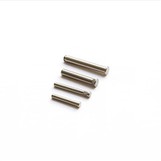
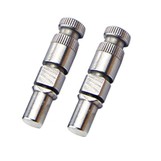
As a supplier of Drone Pitch Shafts, I've witnessed firsthand the incredible advancements in drone technology and the crucial role that these components play in the overall performance of drones. In this blog post, I'll delve into the inner workings of a drone pitch shaft, explaining how it functions and why it's an essential part of any drone system.
Understanding Drone Flight Basics
Before we dive into the specifics of the pitch shaft, it's important to have a basic understanding of how drones fly. Drones rely on a combination of four fundamental movements: roll, pitch, yaw, and throttle. These movements are controlled by the drone's flight controller, which sends signals to the motors and servos to adjust the position and speed of the drone's rotors.
- Roll: This movement refers to the tilting of the drone from side to side. It allows the drone to move horizontally in a left or right direction.
- Pitch: Pitch involves the tilting of the drone forward or backward. It enables the drone to move forward or backward in a straight line.
- Yaw: Yaw is the rotation of the drone around its vertical axis. It allows the drone to turn left or right without changing its altitude or direction of movement.
- Throttle: Throttle controls the overall power output of the drone's motors, which determines the drone's altitude and speed.
What is a Drone Pitch Shaft?
A drone pitch shaft is a mechanical component that is responsible for controlling the pitch movement of a drone. It is typically connected to the drone's flight controller and one or more servos, which are used to adjust the angle of the drone's rotors. By changing the angle of the rotors, the pitch shaft can tilt the drone forward or backward, allowing it to move in a specific direction.
How Does a Drone Pitch Shaft Work?
The operation of a drone pitch shaft is relatively straightforward. When the drone's flight controller sends a signal to adjust the pitch, the signal is transmitted to the servo connected to the pitch shaft. The servo then rotates the pitch shaft, which in turn changes the angle of the drone's rotors.


Here's a step-by-step breakdown of the process:
- Flight Controller Sends a Signal: The drone's flight controller analyzes the input from the pilot or the autonomous flight program and determines the desired pitch angle. It then sends a signal to the servo connected to the pitch shaft.
- Servo Receives the Signal: The servo receives the signal from the flight controller and rotates its output shaft accordingly. The amount of rotation is determined by the strength of the signal received.
- Pitch Shaft Rotates: As the servo rotates its output shaft, it causes the pitch shaft to rotate as well. The pitch shaft is connected to the drone's rotors, so when it rotates, it changes the angle of the rotors.
- Rotor Angle Changes: The change in the rotor angle creates a difference in the lift force generated by the rotors on either side of the drone. This difference in lift causes the drone to tilt forward or backward, depending on the direction of the pitch adjustment.
- Drone Moves in the Desired Direction: As the drone tilts forward or backward, it begins to move in the corresponding direction. The flight controller continuously monitors the drone's position and adjusts the pitch angle as needed to maintain the desired flight path.
Importance of a High-Quality Drone Pitch Shaft
A high-quality drone pitch shaft is essential for ensuring the smooth and stable operation of a drone. Here are some reasons why:
- Precise Control: A well-designed pitch shaft allows for precise control of the drone's pitch movement, enabling the pilot to make accurate adjustments and fly the drone with greater precision.
- Durability: Drones are often subjected to harsh operating conditions, including high speeds, vibrations, and impacts. A durable pitch shaft can withstand these conditions and maintain its performance over time.
- Reliability: In critical applications such as aerial photography, surveying, and delivery, reliability is of utmost importance. A reliable pitch shaft ensures that the drone will respond accurately to the pilot's commands and perform its intended tasks without fail.
- Compatibility: A pitch shaft that is compatible with the drone's flight controller and other components is essential for ensuring seamless integration and optimal performance.
Other Related Shafts in Drone Systems
In addition to the pitch shaft, there are two other important shafts in a drone system: the Drone Roll Shaft and the Drone Yaw Shaft.
- Drone Roll Shaft: The roll shaft is responsible for controlling the roll movement of the drone. It works in a similar way to the pitch shaft, but instead of tilting the drone forward or backward, it tilts the drone from side to side.
- Drone Yaw Shaft: The yaw shaft controls the yaw movement of the drone. It rotates the drone around its vertical axis, allowing it to turn left or right without changing its altitude or direction of movement.
Conclusion
In conclusion, a drone pitch shaft is a crucial component in any drone system. It plays a vital role in controlling the pitch movement of the drone, allowing it to move forward or backward with precision. By understanding how a drone pitch shaft works and the importance of using a high-quality component, drone enthusiasts and professionals can ensure the smooth and reliable operation of their drones.
If you're in the market for a high-quality Drone Pitch Shaft, look no further. As a leading supplier of drone components, we offer a wide range of pitch shafts that are designed to meet the needs of various drone models and applications. Our products are made from high-quality materials and undergo rigorous testing to ensure their performance and reliability.
If you have any questions or would like to discuss your specific requirements, please don't hesitate to contact us. We're here to help you find the perfect drone pitch shaft for your needs and provide you with the support and expertise you need to get the most out of your drone.
References
- "Drone Flight Mechanics: Understanding the Basics." Drone Enthusiast Magazine, Vol. 10, Issue 2, 2023.
- "Advanced Drone Design and Technology." Aerospace Engineering Journal, Vol. 25, Issue 3, 2022.
- "The Role of Mechanical Components in Drone Performance." Robotics and Automation Review, Vol. 15, Issue 4, 2021.