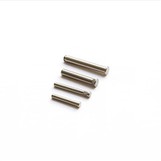
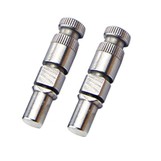
Hey there! As a supplier of AC motor shafts, I've seen firsthand how crucial it is to understand the impact of radial load on these components. In this blog, I'll break down what radial load is, how it affects the performance of AC motor shafts, and why it matters for your applications.
Let's start with the basics. Radial load refers to the force that acts perpendicular to the axis of the shaft. It's the kind of load that you might encounter when the motor is driving a pulley, a gear, or any other component that puts sideways pressure on the shaft. This load can come from a variety of sources, such as the weight of the driven equipment, belt tension, or misalignment between the motor and the load.
So, how does this radial load affect the performance of an AC motor shaft? Well, it can have several significant impacts, and I'll go through them one by one.
1. Bending Stress
One of the most immediate effects of radial load is the introduction of bending stress in the shaft. When a radial force is applied, the shaft bends slightly, creating tension on one side and compression on the other. This bending stress can lead to fatigue over time, especially if the load is cyclic or if the shaft is subjected to high loads for extended periods.


Imagine a shaft in a conveyor system. The weight of the materials being transported creates a radial load on the shaft. If the load is too high or if the shaft is not properly designed to handle it, the bending stress can cause cracks to form in the shaft. These cracks can start small, but over time, they can grow and eventually lead to shaft failure.
To prevent this, it's essential to choose a shaft with the right diameter and material for the expected radial load. At our company, we offer a range of AC Motor Shaft options that are designed to withstand different levels of radial stress. For example, our Motor Shaft SUS303 SUS304 SUS316 are made from high - quality stainless steel, which provides excellent strength and corrosion resistance, making them suitable for applications with moderate to high radial loads.
2. Bearing Wear
Another critical aspect affected by radial load is the bearings that support the shaft. Bearings are designed to reduce friction and allow the shaft to rotate smoothly. However, when a radial load is applied, it can increase the pressure on the bearings, causing them to wear out faster.
Excessive radial load can cause the bearing balls or rollers to deform, leading to uneven wear patterns. This can result in increased noise, vibration, and reduced efficiency of the motor. In severe cases, it can even cause the bearings to fail completely, which can lead to costly downtime and repairs.
To minimize bearing wear, it's important to ensure that the shaft and bearings are properly matched to the radial load. We work closely with our customers to understand their specific requirements and recommend the right combination of shaft and bearings. Our Brushless Motor Shaft are often used in applications where low friction and high - precision operation are required. By choosing the right shaft and bearings, we can help extend the lifespan of the motor and reduce maintenance costs.
3. Misalignment
Radial load can also contribute to misalignment between the motor and the driven equipment. When a shaft bends under a radial load, it can cause the motor and the load to become misaligned. This misalignment can lead to additional stress on the shaft, bearings, and other components, further reducing the efficiency and lifespan of the motor.
For example, in a pump application, misalignment due to radial load can cause the impeller to rub against the pump housing, leading to increased wear and reduced pumping efficiency. To avoid this, it's important to regularly check and adjust the alignment of the motor and the load, especially in applications where radial loads are present.
4. Power Loss
Finally, radial load can have an impact on the power consumption of the motor. When a shaft is under a high radial load, the motor has to work harder to overcome the additional resistance caused by bending and bearing friction. This results in increased power consumption and reduced energy efficiency.
In today's energy - conscious world, reducing power consumption is a top priority for many industries. By understanding the impact of radial load on the motor shaft and taking steps to minimize it, we can help our customers save on energy costs and improve the overall performance of their equipment.
So, how can you determine the right shaft for your application? Here are a few tips:
- Understand the load requirements: Calculate the expected radial load based on the weight of the driven equipment, belt tension, and any other factors that may contribute to the load.
- Choose the right material: Select a shaft material that has the strength and durability to withstand the expected radial load. Stainless steel, carbon steel, and alloy steel are common choices, each with its own advantages.
- Consider the shaft diameter: A larger diameter shaft can generally handle higher radial loads. However, it's important to balance the diameter with other factors such as space constraints and cost.
- Work with a reliable supplier: At our company, we have years of experience in providing high - quality AC motor shafts. We can help you select the right shaft for your application and provide technical support throughout the process.
If you're in the market for AC motor shafts and want to learn more about how we can help you with your radial load requirements, don't hesitate to get in touch. We're here to answer your questions, provide quotes, and work with you to find the best solutions for your needs. Whether you're looking for a standard AC Motor Shaft or a custom - designed solution, we've got you covered.
In conclusion, understanding the impact of radial load on AC motor shafts is essential for ensuring the reliable and efficient operation of your equipment. By choosing the right shaft, bearings, and taking steps to minimize misalignment and power loss, you can extend the lifespan of your motor and reduce maintenance costs. So, if you have any questions or need assistance with your AC motor shaft needs, reach out to us today.
References
- "Mechanical Engineering Design" by Joseph E. Shigley, Charles R. Mischke, and Richard G. Budynas.
- "Handbook of Bearings" by SKF.
- Industry standards and guidelines related to motor shaft design and application.