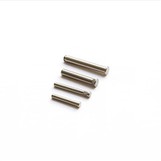
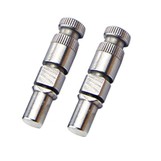
The durability of a drone roll shaft is a critical concern for both drone enthusiasts and professional operators. As a supplier of high - quality Drone Roll Shaft, I have witnessed firsthand the importance of understanding how long these components typically last. In this blog, I will delve into the factors that influence the lifespan of a drone roll shaft, draw on my industry experience to provide insights, and offer practical advice on maximizing its longevity.
Factors Affecting the Lifespan of a Drone Roll Shaft
1. Material Quality
The material used in the construction of a drone roll shaft is perhaps the most fundamental factor affecting its lifespan. High - grade materials such as carbon fiber and titanium are known for their excellent strength - to - weight ratios and resistance to wear and tear. Carbon fiber, for example, is not only lightweight but also has high stiffness, which helps the roll shaft maintain its shape and integrity under stress. Titanium, on the other hand, offers superior corrosion resistance and high tensile strength.
In contrast, lower - quality materials like some types of plastic or cheap metals may degrade more quickly. They are more prone to cracking, bending, or breaking, especially when exposed to the vibrations and forces experienced during drone flight. As a supplier, I always emphasize the use of top - notch materials in our Drone Roll Shaft products to ensure long - term performance.
2. Flight Conditions
The environment in which a drone operates has a significant impact on the lifespan of its roll shaft. Drones flown in harsh conditions, such as areas with high humidity, extreme temperatures, or sandy and dusty environments, are likely to experience more rapid wear on their components.
High humidity can cause corrosion, especially if the roll shaft is not properly coated or made of a corrosion - resistant material. Extreme temperatures can also affect the mechanical properties of the shaft. For instance, very high temperatures can cause the material to expand and potentially lose its structural integrity, while extremely low temperatures can make the material brittle.
In sandy or dusty environments, small particles can get into the moving parts of the roll shaft, causing abrasion and increasing friction. This can lead to premature wear and eventually failure of the shaft.
3. Flight Frequency and Intensity
How often and how aggressively a drone is flown also play a role in the lifespan of the roll shaft. Frequent flights mean more exposure to stress and vibrations, which can gradually weaken the shaft over time. Additionally, high - intensity flights, such as those involving rapid maneuvers, high - speed flights, or heavy payloads, put more strain on the roll shaft.
For example, a professional drone used for aerial photography that is flown multiple times a day with complex flight patterns will likely experience more wear on its roll shaft compared to a hobbyist drone that is flown occasionally for short, gentle flights.
4. Maintenance and Care
Proper maintenance and care can significantly extend the lifespan of a drone roll shaft. Regular cleaning to remove dirt, dust, and debris can prevent abrasion and corrosion. Lubrication of the moving parts, if applicable, can reduce friction and wear.
Inspecting the roll shaft for signs of damage, such as cracks, bends, or excessive wear, on a regular basis is also crucial. Early detection of problems allows for timely replacement or repair, preventing further damage to the shaft and other components of the drone.


Typical Lifespan Estimates
Based on my experience as a Drone Roll Shaft supplier, the lifespan of a drone roll shaft can vary widely depending on the factors mentioned above.
For a hobbyist drone that is flown infrequently in relatively mild conditions and with proper maintenance, a high - quality roll shaft can last anywhere from 1 - 2 years. This assumes that the drone is flown a few times a month for short periods, and the operator takes the time to clean and inspect the shaft regularly.
In a professional setting, where drones are flown more frequently and often in more challenging conditions, the lifespan of the roll shaft may be shorter. A well - made roll shaft in a professional drone might last between 6 months to 1 year. However, if the drone is used for heavy - duty applications, such as industrial inspections or agricultural spraying, the lifespan could be even shorter, perhaps 3 - 6 months.
It's important to note that these are just rough estimates, and the actual lifespan can deviate based on the specific circumstances of each drone's use.
Maximizing the Lifespan of a Drone Roll Shaft
1. Choose High - Quality Components
As a supplier, I cannot stress enough the importance of choosing a high - quality Drone Roll Shaft. Investing in a shaft made from premium materials and manufactured to strict quality standards can save you money in the long run by reducing the frequency of replacements.
2. Optimize Flight Conditions
Whenever possible, try to fly your drone in favorable conditions. Avoid flying in extreme weather, high - humidity areas, or dusty environments. If you need to fly in less - than - ideal conditions, take extra precautions, such as using protective covers or cleaning the drone thoroughly after each flight.
3. Follow a Maintenance Schedule
Establish a regular maintenance schedule for your drone. Clean the roll shaft and other components after each flight, and perform a more thorough inspection and maintenance check at least once a month. This can include lubricating moving parts, checking for loose connections, and tightening any bolts or screws.
4. Train Pilots Properly
If you are using a drone in a professional setting or have multiple users, ensure that all pilots are properly trained. Aggressive flying techniques can put unnecessary stress on the roll shaft and other components. Training pilots to fly smoothly and efficiently can help extend the lifespan of the shaft.
Related Shafts in Drone Systems
In addition to the Drone Roll Shaft, there are other important shafts in a drone system, such as the Drone Pitch Shaft and the Drone Yaw Shaft. These shafts work together to control the movement and stability of the drone.
The pitch shaft controls the up - and - down movement of the drone's nose, while the yaw shaft controls the rotation of the drone around its vertical axis. Similar to the roll shaft, the lifespan of these shafts is also affected by factors such as material quality, flight conditions, flight frequency, and maintenance.
Conclusion
Understanding how long a drone roll shaft usually lasts is essential for drone owners and operators. By considering the factors that influence its lifespan, taking steps to maximize its durability, and being aware of related components in the drone system, you can ensure that your drone operates smoothly and efficiently for as long as possible.
As a trusted Drone Roll Shaft supplier, I am committed to providing high - quality products and sharing my industry knowledge with our customers. If you are interested in learning more about our drone roll shafts or other related products, or if you have any questions about drone shaft maintenance and longevity, please feel free to contact us for further discussion and potential procurement opportunities.
References
- Personal experience as a Drone Roll Shaft supplier.
- Industry knowledge and research on drone components and their durability.