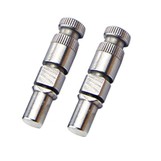
How often should a fixed shaft be maintained? This is a question that many of our customers, who rely on fixed shafts in various industrial applications, frequently ask. As a leading supplier of fixed shafts, we understand the importance of proper maintenance in ensuring the longevity and optimal performance of these crucial components. In this blog, we will delve into the factors that influence the maintenance frequency of fixed shafts and provide some general guidelines to help you keep your equipment running smoothly.
Understanding Fixed Shafts
Before discussing maintenance frequency, it's essential to understand what fixed shafts are and their role in machinery. Fixed shafts are stationary components that support rotating elements such as gears, pulleys, or wheels. They are designed to withstand radial and axial loads, ensuring the precise alignment and smooth operation of the rotating parts. Our company offers a wide range of fixed shafts, including Stainless Steel Fixed Shaft and Precision Fixed Shaft, which are manufactured using high - quality materials and advanced machining techniques to meet the diverse needs of our customers.
Factors Affecting Maintenance Frequency
Operating Environment
The environment in which a fixed shaft operates plays a significant role in determining its maintenance requirements. In harsh environments, such as those with high levels of dust, moisture, or corrosive chemicals, the shaft is more likely to experience wear and damage. For example, in mining or construction applications, where dust and debris are prevalent, the shaft may accumulate contaminants that can cause abrasion and reduce its lifespan. In such cases, more frequent maintenance is necessary to clean the shaft and prevent the build - up of harmful substances.
On the other hand, in a clean and controlled environment like a laboratory or a precision manufacturing facility, the shaft may require less frequent maintenance. However, even in these ideal conditions, regular inspections are still essential to detect any early signs of wear or damage.
Load and Stress
The amount of load and stress that a fixed shaft is subjected to is another crucial factor. If a shaft is operating under heavy loads or high - speed conditions, it will experience more wear and tear compared to a shaft that operates under lighter loads. For instance, in a large industrial motor, the fixed shaft may need to support significant radial and axial forces, which can lead to fatigue and deformation over time. In this situation, maintenance should be carried out more frequently to ensure the shaft's integrity.
We recommend closely monitoring the load and stress levels of your fixed shafts. By using sensors and monitoring systems, you can gather data on the operating conditions and adjust the maintenance schedule accordingly.


Shaft Material and Design
The material and design of the fixed shaft also impact its maintenance frequency. High - quality materials, such as stainless steel or alloy steel, are more resistant to corrosion and wear, which can extend the shaft's lifespan and reduce the need for frequent maintenance. Additionally, a well - designed shaft with proper dimensions and tolerances will distribute the load more evenly, reducing stress concentrations and minimizing the risk of failure.
Our Stainless Steel Fixed Shaft is made from premium stainless steel, which offers excellent corrosion resistance and durability. This type of shaft may require less maintenance compared to shafts made from lower - quality materials.
General Maintenance Frequency Guidelines
Based on our experience and industry best practices, we can provide the following general guidelines for fixed shaft maintenance:
Visual Inspections
Visual inspections should be carried out regularly, at least once a month for shafts operating in normal conditions. During these inspections, you should check for signs of wear, such as scratches, dents, or corrosion on the shaft surface. Look for any misalignment of the rotating components supported by the shaft, as this can indicate a problem with the shaft's alignment or integrity.
If the shaft is operating in a harsh environment, visual inspections should be conducted more frequently, perhaps weekly or even daily in extreme cases.
Lubrication
Proper lubrication is essential for reducing friction and wear on the fixed shaft. The frequency of lubrication depends on the type of lubricant used and the operating conditions. In general, for shafts operating at normal speeds and loads, lubrication should be carried out every 3 - 6 months. However, if the shaft is operating under heavy loads or high - speed conditions, lubrication may need to be done more frequently, every 1 - 3 months.
It's important to use the correct type of lubricant for your fixed shaft. Consult the manufacturer's recommendations or our technical support team for guidance on lubricant selection.
Alignment Checks
Alignment checks should be performed at least once every 6 - 12 months for most applications. Misaligned shafts can cause excessive vibration, increased wear, and reduced efficiency. Using precision alignment tools, such as laser alignment systems, can help ensure that the shaft is properly aligned with the rotating components.
In applications where high precision is required, such as in aerospace or medical equipment, alignment checks may need to be carried out more frequently, perhaps every 3 - 6 months.
Comprehensive Maintenance
A comprehensive maintenance service, which includes disassembly, cleaning, and detailed inspection of the shaft and its associated components, should be carried out at least once a year. This in - depth maintenance allows for a thorough assessment of the shaft's condition and the identification of any potential problems that may not be visible during regular inspections.
However, if the shaft is operating in a particularly demanding environment or under heavy loads, comprehensive maintenance may need to be done more frequently, every 6 - 12 months.
Importance of Regular Maintenance
Regular maintenance of fixed shafts is not only crucial for ensuring their proper operation but also for preventing costly breakdowns and downtime. A well - maintained shaft can improve the overall efficiency of the machinery, reduce energy consumption, and extend the lifespan of the equipment.
By following the maintenance guidelines we have provided, you can minimize the risk of unexpected failures and keep your production processes running smoothly. Moreover, regular maintenance can also help you comply with safety regulations and industry standards.
Contact Us for Your Fixed Shaft Needs
If you have any questions about fixed shaft maintenance or if you are interested in purchasing high - quality fixed shafts for your applications, please feel free to contact us. Our team of experts is always ready to provide you with professional advice and support. We can help you select the right type of fixed shaft for your specific needs and offer customized solutions to meet your requirements.
Whether you need a Stainless Steel Fixed Shaft for a corrosive environment or a Precision Fixed Shaft for a high - precision application, we have the expertise and resources to deliver the best products. Let's work together to ensure the optimal performance of your machinery.
References
- Machinery's Handbook: A comprehensive reference book on mechanical engineering and manufacturing, which provides detailed information on shaft design, materials, and maintenance.
- Industrial Machinery Maintenance Manuals: Various manuals published by equipment manufacturers, which offer specific maintenance guidelines for different types of machinery and components.
- Professional Journals in Mechanical Engineering: Publications such as the Journal of Tribology and the International Journal of Machine Tools and Manufacture, which contain research and case studies on shaft maintenance and performance.