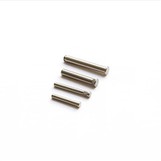
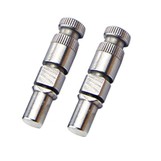
As a seasoned supplier of pinion shafts, I've received numerous inquiries about the optimal lubrication frequency for these crucial components. Pinion shafts are integral parts in a wide range of mechanical systems, from automotive transmissions to industrial machinery. Proper lubrication is essential for their smooth operation, longevity, and overall performance. In this blog post, I'll delve into the factors that influence lubrication frequency and provide some guidelines to help you keep your pinion shafts in top condition.
Understanding the Role of Lubrication in Pinion Shafts
Before discussing how often to lubricate a pinion shaft, it's important to understand why lubrication is so vital. Lubrication serves several key functions in the operation of a pinion shaft:
- Reducing Friction: Friction between the pinion shaft and its mating components can cause wear and tear, leading to premature failure. Lubricants create a thin film between the surfaces, reducing friction and minimizing wear.
- Preventing Corrosion: Pinion shafts are often exposed to harsh environments, including moisture and chemicals, which can cause corrosion. Lubricants provide a protective barrier that helps prevent corrosion and extends the lifespan of the shaft.
- Dissipating Heat: The friction generated during operation can produce heat, which can damage the pinion shaft and its surrounding components. Lubricants help dissipate heat, keeping the temperature within a safe range and preventing overheating.
- Sealing and Contaminant Control: Lubricants can also act as a sealant, preventing contaminants such as dirt, dust, and debris from entering the system. This helps maintain the cleanliness of the pinion shaft and its mating components, reducing the risk of damage and improving performance.
Factors Affecting Lubrication Frequency
The optimal lubrication frequency for a pinion shaft depends on several factors, including:
- Operating Conditions: The operating conditions of the pinion shaft play a significant role in determining lubrication frequency. Pinion shafts that operate in high-speed, high-load, or high-temperature environments will require more frequent lubrication than those that operate under less demanding conditions. For example, a pinion shaft in a racing car transmission will need to be lubricated more often than one in a household appliance.
- Lubricant Type: Different types of lubricants have different properties and performance characteristics, which can affect their longevity and effectiveness. Some lubricants are designed for long-term use and require less frequent reapplication, while others may need to be replaced more often. It's important to choose a lubricant that is suitable for the specific operating conditions of your pinion shaft and follow the manufacturer's recommendations for lubrication frequency.
- Shaft Design and Material: The design and material of the pinion shaft can also influence lubrication frequency. Some pinion shafts are designed with built-in lubrication systems, such as oil channels or grease fittings, which can help distribute lubricant evenly and reduce the need for frequent manual lubrication. Additionally, certain materials may be more prone to wear or corrosion than others, requiring more frequent lubrication to maintain their performance.
- Maintenance Schedule: Regular maintenance is essential for ensuring the proper operation of your pinion shaft. In addition to lubrication, maintenance tasks may include cleaning, inspection, and adjustment. By following a regular maintenance schedule, you can identify and address any potential issues before they become major problems, reducing the need for frequent lubrication and extending the lifespan of your pinion shaft.
General Guidelines for Lubrication Frequency
While the optimal lubrication frequency for a pinion shaft will vary depending on the factors discussed above, here are some general guidelines to help you get started:
- Check the Manufacturer's Recommendations: The first step in determining the lubrication frequency for your pinion shaft is to consult the manufacturer's recommendations. The manufacturer will have specific guidelines based on the design, material, and intended use of the shaft. These guidelines may include recommended lubricant types, lubrication intervals, and application methods.
- Monitor Operating Conditions: Keep an eye on the operating conditions of your pinion shaft, including speed, load, temperature, and environment. If you notice any changes in these conditions, such as increased noise, vibration, or heat, it may be a sign that the shaft needs to be lubricated more frequently.
- Inspect the Shaft Regularly: Regular inspections can help you detect any signs of wear, damage, or contamination on the pinion shaft. Look for signs such as scoring, pitting, or corrosion on the shaft surface, as well as any leaks or spills of lubricant. If you notice any issues, take appropriate action immediately, such as cleaning, lubricating, or replacing the shaft.
- Use a Lubrication Schedule: Establishing a lubrication schedule can help you ensure that your pinion shaft is lubricated at the appropriate intervals. This schedule should take into account the manufacturer's recommendations, operating conditions, and maintenance history of the shaft. You can use a calendar or a maintenance log to track lubrication intervals and ensure that you don't miss any scheduled lubrications.
Types of Lubricants for Pinion Shafts
There are several types of lubricants available for pinion shafts, each with its own advantages and disadvantages. The most common types of lubricants include:
- Mineral Oils: Mineral oils are the most widely used type of lubricant for pinion shafts. They are relatively inexpensive, readily available, and offer good lubrication properties. However, mineral oils may not be suitable for high-temperature or high-load applications, as they can break down and lose their effectiveness under these conditions.
- Synthetic Oils: Synthetic oils are designed to offer superior performance compared to mineral oils. They have better thermal stability, oxidation resistance, and viscosity characteristics, making them suitable for high-temperature, high-load, and high-speed applications. Synthetic oils also tend to last longer than mineral oils, reducing the need for frequent lubrication. However, synthetic oils are generally more expensive than mineral oils.
- Greases: Greases are a semi-solid lubricant that consists of a base oil and a thickening agent. They are often used in applications where a more viscous lubricant is required, such as in slow-moving or heavily loaded pinion shafts. Greases offer good adhesion and sealing properties, which can help prevent contaminants from entering the system. However, they can be more difficult to apply and remove than oils, and they may not be suitable for high-speed applications.
- Solid Lubricants: Solid lubricants, such as graphite and molybdenum disulfide, are often used in applications where traditional lubricants are not suitable, such as in high-temperature or high-vacuum environments. Solid lubricants offer excellent lubrication properties and can withstand extreme conditions. However, they can be more expensive than other types of lubricants and may require special application techniques.
Conclusion
Proper lubrication is essential for the smooth operation, longevity, and performance of pinion shafts. The optimal lubrication frequency for a pinion shaft depends on several factors, including operating conditions, lubricant type, shaft design and material, and maintenance schedule. By following the guidelines outlined in this blog post and consulting the manufacturer's recommendations, you can ensure that your pinion shaft is lubricated at the appropriate intervals and that it continues to perform at its best.


If you're in the market for high-quality Precision Pinion Shaft or Stainless Steel Pinion Shaft, look no further. As a leading supplier of pinion shafts, we offer a wide range of products to meet your specific needs. Our pinion shafts are manufactured to the highest standards of quality and precision, using the latest technology and materials. We also provide comprehensive technical support and after-sales service to ensure your satisfaction.
If you have any questions or would like to discuss your pinion shaft requirements, please don't hesitate to contact us. We're here to help you find the right solution for your application and to ensure the long-term success of your business.
References
- "Mechanical Design Handbook," edited by Myer Kutz, McGraw-Hill, 2006.
- "Machinery's Handbook," 31st edition, Industrial Press, 2016.
- "Lubrication Fundamentals," by Howard W. Sinnott, CRC Press, 2001.