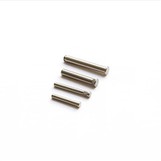
Aligning a pin shaft correctly is a crucial process in various mechanical and engineering applications. As a pin shaft supplier, I've witnessed firsthand the significance of proper alignment for the optimal performance and longevity of machinery. In this blog post, I'll share some valuable insights on how to align a pin shaft correctly, drawing from my years of experience in the industry.


Understanding the Importance of Pin Shaft Alignment
Before delving into the alignment process, it's essential to understand why proper alignment is so important. A misaligned pin shaft can lead to a host of problems, including increased wear and tear on components, reduced efficiency, and even premature failure of the machinery. When a pin shaft is not aligned correctly, it can cause uneven stress distribution, which can result in excessive vibration, noise, and damage to the surrounding parts.
In addition to mechanical issues, misalignment can also have a negative impact on the overall performance of the system. For example, in a transmission system, a misaligned pin shaft can cause power losses, leading to reduced output and increased energy consumption. In a precision manufacturing process, misalignment can result in inaccurate positioning, which can affect the quality of the finished product.
Factors Affecting Pin Shaft Alignment
Several factors can affect the alignment of a pin shaft, including:
- Installation Errors: Incorrect installation of the pin shaft can lead to misalignment. This can occur if the shaft is not properly seated in the bearing or if the mounting holes are not aligned correctly.
- Thermal Expansion: Temperature changes can cause the materials in the machinery to expand or contract, which can affect the alignment of the pin shaft. This is particularly important in applications where the machinery operates at high temperatures.
- Wear and Tear: Over time, the components in the machinery can wear out, which can cause the pin shaft to become misaligned. This can occur due to normal use, as well as due to factors such as contamination or improper lubrication.
- External Forces: External forces, such as vibration or shock, can also cause the pin shaft to become misaligned. This is particularly important in applications where the machinery is subject to high levels of vibration or shock.
Tools and Equipment for Pin Shaft Alignment
To align a pin shaft correctly, you'll need the following tools and equipment:
- Dial Indicator: A dial indicator is a precision measuring tool that can be used to measure the alignment of the pin shaft. It consists of a pointer that moves along a graduated scale, indicating the amount of displacement.
- Laser Alignment System: A laser alignment system is a more advanced tool that can be used to measure the alignment of the pin shaft with greater accuracy. It uses a laser beam to project a reference line, which can be used to align the shaft.
- Feeler Gauges: Feeler gauges are thin strips of metal that can be used to measure the clearance between two surfaces. They can be used to check the alignment of the pin shaft by measuring the clearance between the shaft and the bearing.
- Shims: Shims are thin pieces of material that can be used to adjust the alignment of the pin shaft. They can be placed between the bearing and the mounting surface to correct any misalignment.
Step-by-Step Guide to Aligning a Pin Shaft
The following is a step-by-step guide to aligning a pin shaft correctly:
- Prepare the Machinery: Before you begin the alignment process, make sure the machinery is turned off and the power is disconnected. Remove any covers or guards that may be blocking access to the pin shaft.
- Clean the Components: Use a clean cloth and a suitable cleaning agent to clean the pin shaft, the bearing, and the mounting surface. This will help to ensure that there is no dirt or debris that could affect the alignment.
- Install the Dial Indicator: Mount the dial indicator on a stable surface near the pin shaft. Make sure the indicator is positioned so that the pointer is in contact with the shaft.
- Take Initial Measurements: Rotate the pin shaft slowly and take readings from the dial indicator at several points around the circumference of the shaft. Record these readings and note any variations.
- Adjust the Alignment: Based on the readings from the dial indicator, adjust the alignment of the pin shaft using shims or other adjustment methods. Make small adjustments and recheck the alignment after each adjustment.
- Verify the Alignment: Once you have made the necessary adjustments, rotate the pin shaft again and take new readings from the dial indicator. Compare these readings to the initial readings to ensure that the alignment has been corrected.
- Tighten the Mounting Bolts: Once the alignment has been verified, tighten the mounting bolts to the specified torque. Make sure the bolts are tightened evenly to avoid any additional misalignment.
- Reassemble the Machinery: Replace any covers or guards that were removed earlier and reconnect the power. Start the machinery and check for any abnormal vibrations or noises.
Tips for Successful Pin Shaft Alignment
Here are some tips to help you align a pin shaft correctly:
- Use the Right Tools: Make sure you have the right tools and equipment for the job. Using the wrong tools can lead to inaccurate measurements and incorrect alignment.
- Follow the Manufacturer's Instructions: Always follow the manufacturer's instructions for installing and aligning the pin shaft. This will help to ensure that the alignment is done correctly and that the machinery operates safely and efficiently.
- Take Your Time: Aligning a pin shaft correctly takes time and patience. Don't rush the process, and make sure you take accurate measurements at each step.
- Check the Alignment Regularly: Even after the pin shaft has been aligned correctly, it's important to check the alignment regularly to ensure that it remains within the specified tolerance. This will help to prevent any potential problems from occurring.
Conclusion
Aligning a pin shaft correctly is a critical process that requires careful attention to detail and the use of the right tools and equipment. By following the steps outlined in this blog post and using the tips provided, you can ensure that your pin shaft is aligned correctly and that your machinery operates safely and efficiently.
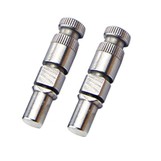
If you're in the market for high-quality pin shafts, we offer a wide range of products to meet your needs. Our Stainless Steel SUS304 SUS316 Precision Knurled Shaft and Precision Pin Shaft are made from the finest materials and are precision-engineered to provide superior performance and durability.
If you have any questions or would like to discuss your pin shaft requirements, please don't hesitate to contact us. We're here to help you find the right solution for your application.
References
- "Mechanical Engineering Handbook" by Myer Kutz
- "Machinery's Handbook" by Industrial Press Inc.
- "Alignment Techniques for Rotating Equipment" by Jeffrey Piotrowski