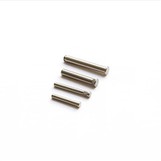
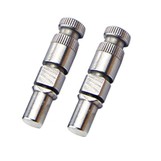
Balancing a drone pitch shaft is a crucial aspect of ensuring optimal drone performance. As a supplier of Drone Pitch Shaft, I have witnessed firsthand the significance of a well - balanced pitch shaft in the overall functionality of a drone. In this blog, I will share some in - depth knowledge on how to balance a drone pitch shaft effectively.
Understanding the Drone Pitch Shaft
Before delving into the balancing process, it's essential to understand what a drone pitch shaft is and its role in the drone's operation. The pitch shaft is responsible for controlling the up - and - down movement of the drone's nose. When the pitch shaft is balanced correctly, the drone can perform smooth and stable pitch maneuvers. This is not only important for basic flight control but also for more advanced aerial tasks such as photography and videography, where a stable pitch is necessary for clear and steady shots.
Tools Required for Balancing
To balance a drone pitch shaft, you will need a few essential tools. Firstly, a high - precision balancing machine is indispensable. This machine can accurately measure the imbalance of the pitch shaft and provide data on where the weight needs to be adjusted. Additionally, a set of precision weights is required. These weights come in different sizes and can be attached to the pitch shaft to correct the imbalance. A micrometer or caliper is also useful for measuring the dimensions of the pitch shaft and ensuring that it meets the required specifications.
Step - by - Step Balancing Process
Step 1: Inspection
The first step in balancing a drone pitch shaft is a thorough inspection. Check the shaft for any visible signs of damage, such as cracks, bends, or wear. A damaged shaft can cause significant imbalance and may need to be replaced. Measure the diameter and length of the shaft using a micrometer or caliper to ensure it conforms to the manufacturer's specifications. Any deviation from the standard dimensions can lead to imbalance issues.
Step 2: Mounting on the Balancing Machine
Once the shaft has been inspected, mount it on the balancing machine. Make sure it is securely fastened to prevent any movement during the balancing process. The balancing machine will spin the shaft at a high speed and measure the vibration caused by the imbalance. Based on the data provided by the machine, you can determine the location and amount of weight needed to correct the imbalance.
Step 3: Adding Weights
After obtaining the data from the balancing machine, it's time to add the precision weights to the pitch shaft. The weights should be added at the specific locations indicated by the balancing machine. Use a strong adhesive or mechanical fasteners to attach the weights securely to the shaft. Be careful not to add too much weight, as this can also cause imbalance. Make small adjustments and re - check the balance after each adjustment.


Step 4: Re - checking the Balance
Once the weights have been added, re - mount the pitch shaft on the balancing machine and check the balance again. The goal is to reduce the vibration to an acceptable level. If the imbalance is still significant, continue to make small adjustments to the weights until the desired balance is achieved.
Step 5: Final Inspection
After achieving the proper balance, perform a final inspection of the pitch shaft. Check that all the weights are securely attached and that there are no loose parts. Also, ensure that the shaft rotates smoothly without any binding or excessive noise.
Importance of Balancing in Different Drone Applications
In racing drones, a balanced pitch shaft is essential for quick and precise maneuvers. A well - balanced shaft allows the drone to change its pitch angle rapidly without losing stability, giving the pilot a competitive edge. In commercial drones used for aerial surveying or delivery, a balanced pitch shaft ensures accurate data collection and safe payload delivery. Unbalanced shafts can cause the drone to drift or shake during flight, leading to inaccurate survey results or potential damage to the payload.
Related Shafts in Drone Systems
In addition to the Drone Pitch Shaft, drones also have Drone Roll Shaft and Drone Yaw Shaft. The roll shaft controls the side - to - side movement of the drone, while the yaw shaft controls the rotation around the vertical axis. These shafts also need to be balanced properly to ensure overall drone stability. A balanced combination of pitch, roll, and yaw shafts is crucial for a drone to perform complex flight maneuvers and maintain a stable flight path.
Quality Assurance in Shaft Manufacturing
As a supplier of drone pitch shafts, we understand the importance of quality assurance in the manufacturing process. Our shafts are made from high - quality materials and undergo strict quality control measures. Each shaft is inspected for dimensional accuracy, material integrity, and balance before leaving our facility. We use advanced manufacturing techniques to ensure that our shafts meet the highest standards in the industry.
Contact for Procurement
If you are in the market for high - quality drone pitch shafts or have any questions about balancing or other aspects of drone shafts, we are here to help. We offer a wide range of drone pitch shafts suitable for different types of drones and applications. Our team of experts can provide you with technical support and guidance to ensure that you choose the right shaft for your needs. Reach out to us to start a procurement discussion and take your drone performance to the next level.
References
- "Drone Technology Handbook" - A comprehensive guide on drone components and their functions.
- "Aerospace Materials and Manufacturing Processes" - Provides in - depth knowledge on the materials used in drone shaft manufacturing.
- Industry research papers on drone stability and shaft balancing techniques.