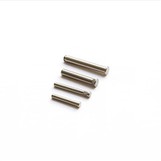
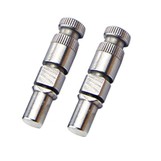
As a trusted supplier of DC Motor Shafts, I understand the critical role a straight shaft plays in the performance and longevity of a DC motor. A bent shaft can lead to a multitude of issues, from reduced efficiency and increased wear to complete motor failure. In this blog post, I'll share some effective methods to check if a DC motor shaft is bent, drawing on my years of experience in the industry.
Visual Inspection
The first step in checking for a bent shaft is a simple visual inspection. This method is quick and can often reveal obvious signs of damage.
To start, clean the shaft thoroughly to remove any dirt, grease, or debris that could obscure your view. Then, place the motor on a stable surface and examine the shaft from different angles. Look for any visible signs of bending, such as a misaligned or off - center shaft. Pay close attention to the areas near the bearings, as these are common places for bends to occur due to the stress they endure during operation.
If you notice any visible bends, it's likely that the shaft is damaged and needs to be replaced. However, keep in mind that some bends may be too subtle to detect with the naked eye, especially if the shaft has a small deviation. In such cases, you'll need to use more precise methods.
Using a Dial Indicator
A dial indicator is a highly accurate tool for measuring the runout of a shaft, which can indicate whether it is bent. Runout refers to the amount of deviation from a perfect circular path as the shaft rotates.
Here's how you can use a dial indicator to check for a bent shaft:
- Mount the Dial Indicator: Secure the dial indicator to a stable surface, such as a bench vise or a magnetic base. Make sure the indicator is positioned so that its plunger can make contact with the shaft at a right angle.
- Position the Shaft: Place the DC motor in a way that allows the shaft to rotate freely. You can use a motor stand or other suitable support to hold the motor in place.
- Zero the Indicator: Gently bring the plunger of the dial indicator into contact with the shaft. Rotate the shaft slowly by hand until the indicator needle points to zero. This sets the baseline for your measurement.
- Measure the Runout: Slowly rotate the shaft through a full 360 - degree turn. As you do this, observe the movement of the indicator needle. The maximum deviation from zero indicates the amount of runout.
In general, a runout of more than 0.002 inches (0.05 mm) may indicate a bent shaft. However, the acceptable runout can vary depending on the specific application and the motor's design specifications. If you find that the runout exceeds the acceptable limit, it's a strong indication that the shaft is bent and should be replaced.
Checking the Bearings
The condition of the bearings can also provide clues about whether the shaft is bent. A bent shaft can cause uneven wear on the bearings, leading to premature failure.
To check the bearings, start by removing the motor's end caps to access the bearings. Inspect the bearings for signs of damage, such as pitting, scoring, or excessive play. You can also listen for any unusual noises when the motor is running, as this can be a sign of bearing problems caused by a bent shaft.
If you suspect that the bearings are damaged due to a bent shaft, it's important to replace both the shaft and the bearings. Continuing to use a motor with damaged bearings can lead to further damage to the shaft and other components, increasing the risk of a complete motor failure.
Balancing Test
A bent shaft can also affect the balance of the motor. An unbalanced motor can cause vibration, which can lead to increased wear on the motor and other connected components.


To perform a balancing test, you can use a balancing machine or a simple DIY method. For a DIY test, you can place the motor on a pair of parallel rails or rods. The motor should be able to roll freely on the rails. If the shaft is bent, the motor will tend to roll to one side or the other due to the uneven distribution of weight.
If you find that the motor is unbalanced, it's likely that the shaft is bent. However, it's important to note that other factors, such as an unevenly distributed load or a misaligned rotor, can also cause imbalance. Therefore, it's important to rule out these factors before concluding that the shaft is bent.
Importance of a Straight Shaft
A straight shaft is essential for the proper functioning of a DC motor. Here are some of the key reasons why:
- Efficiency: A bent shaft can cause the motor to work harder than necessary, leading to reduced efficiency and increased energy consumption.
- Wear and Tear: Uneven stress on the bearings and other components due to a bent shaft can lead to premature wear and tear, reducing the lifespan of the motor.
- Noise and Vibration: A bent shaft can cause the motor to vibrate and produce noise, which can be a sign of a serious problem and can also be a nuisance in some applications.
When to Replace the Shaft
If you determine that the shaft is bent, it's important to replace it as soon as possible. Continuing to use a motor with a bent shaft can lead to further damage and costly repairs.
When replacing the shaft, make sure to choose a high - quality replacement that is compatible with your motor. As a DC Motor Shaft supplier, I offer a wide range of DC Motor Shaft options, including Brushless Motor Shaft and AC Motor Shaft, to meet the diverse needs of my customers.
Conclusion
Checking for a bent DC motor shaft is an important part of motor maintenance. By using a combination of visual inspection, dial indicators, bearing checks, and balancing tests, you can accurately determine whether the shaft is bent. If you find that the shaft is bent, it's crucial to replace it promptly to avoid further damage to the motor.
If you're in the market for high - quality DC motor shafts or need more information about our products, I encourage you to contact me for a detailed discussion. I'm here to help you find the best solutions for your motor applications.
References
- "Motor Handbook" by Arnold Tustin
- "Electrical Machines and Drives" by Austin Hughes and Bill Drury
- Industry standards and guidelines for DC motor manufacturing and maintenance