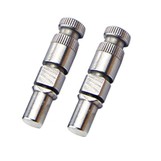
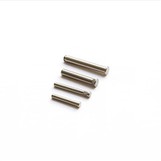
When it comes to the operation of AC motors, the shaft is a crucial component that directly impacts performance, durability, and efficiency. As an AC Motor Shaft supplier, I've witnessed firsthand the significance of choosing the right shaft for different applications. In this blog, I'll share some insights on how to make an informed decision when selecting an AC motor shaft.
Understanding the Basics of AC Motor Shafts
Before delving into the selection process, it's essential to understand what an AC motor shaft is and its primary functions. An AC motor shaft is a mechanical component that transfers torque from the motor to the load. It rotates at the same speed as the motor's rotor and is responsible for driving various equipment such as pumps, fans, compressors, and conveyors.
The shaft's design and material play a vital role in determining its performance. It must be able to withstand the forces and stresses generated during operation, including torsion, bending, and axial loads. Additionally, it should have good corrosion resistance, fatigue strength, and dimensional stability to ensure long - term reliability.
Key Factors to Consider When Choosing an AC Motor Shaft
1. Material Selection
The material of the AC motor shaft significantly affects its properties and suitability for different applications. Here are some common materials used in motor shafts:
- Stainless Steel: Stainless steel shafts, such as Motor Shaft SUS303 SUS304 SUS316, offer excellent corrosion resistance, making them ideal for applications in harsh environments where exposure to moisture, chemicals, or corrosive substances is a concern. They also have good strength and ductility, which helps them withstand mechanical stresses.
- Carbon Steel: Carbon steel is a popular choice for motor shafts due to its high strength, good machinability, and relatively low cost. It can be heat - treated to enhance its hardness and wear resistance, making it suitable for high - load applications.
- Alloy Steel: Alloy steel shafts are used when higher strength and better mechanical properties are required. They contain various alloying elements such as chromium, nickel, and molybdenum, which improve their strength, toughness, and fatigue resistance.
2. Shaft Diameter and Length
The diameter and length of the shaft are critical parameters that must be carefully selected based on the motor's power rating, speed, and the load requirements. A larger diameter shaft can transmit more torque, but it also adds weight and cost to the motor. On the other hand, a longer shaft may be required to accommodate specific mounting or coupling arrangements, but it can increase the risk of deflection and vibration.
It's important to refer to the motor manufacturer's specifications and engineering guidelines to determine the appropriate shaft diameter and length for your application. Additionally, you need to consider any space limitations or clearance requirements in the installation environment.
3. Tolerance and Surface Finish
Tolerance refers to the allowable variation in the dimensions of the shaft. Tight tolerances are necessary to ensure proper fit and alignment with the motor's bearings, couplings, and other components. A shaft with incorrect tolerances can lead to premature wear, increased vibration, and reduced efficiency.


The surface finish of the shaft also plays a role in its performance. A smooth surface finish reduces friction and wear, which can improve the efficiency of the motor and extend the life of the bearings. Depending on the application, different surface finishes may be required, such as a polished or ground finish.
4. Keyways and Splines
Keyways and splines are used to connect the shaft to the load or other components, such as pulleys, gears, or couplings. They provide a positive drive and prevent relative rotation between the shaft and the connected part. When choosing a shaft, you need to consider the type, size, and location of the keyways or splines based on the requirements of the application.
For example, if the load requires high torque transmission, a splined shaft may be more suitable than a keyed shaft. Splines offer a larger contact area and can transmit more torque without the risk of key shear.
5. Application Environment
The environment in which the AC motor will operate is another important factor to consider. If the motor is used in a dusty or dirty environment, a shaft with a protective coating or a sealed design may be required to prevent contamination and damage. In high - temperature applications, the shaft material must be able to withstand elevated temperatures without losing its mechanical properties.
Similarly, if the motor is exposed to shock or vibration, the shaft should be designed to absorb and dampen these forces to prevent premature failure.
Specialized AC Motor Shafts
In addition to the standard AC motor shafts, there are also specialized shafts available for specific applications.
1. Brushless Motor Shafts
Brushless Motor Shaft are designed for brushless DC motors, which are becoming increasingly popular due to their high efficiency, long life, and low maintenance requirements. These shafts are often made of high - strength materials and are precisely machined to ensure accurate alignment and smooth operation.
2. DC Motor Shafts
DC Motor Shaft are used in direct - current motors. They need to be designed to handle the unique electrical and mechanical characteristics of DC motors, such as the presence of brushes and commutators. DC motor shafts may have different dimensions and surface finishes compared to AC motor shafts to meet the specific requirements of DC motor applications.
Working with a Reliable Supplier
Choosing the right AC motor shaft is not a simple task, and it often requires technical expertise and experience. That's why it's important to work with a reliable supplier who can provide high - quality shafts and offer professional advice.
As an AC Motor Shaft supplier, we have extensive knowledge and experience in manufacturing and supplying shafts for a wide range of applications. We use advanced manufacturing techniques and quality control processes to ensure that our shafts meet the highest standards of performance and reliability.
If you're in the process of selecting an AC motor shaft for your application, don't hesitate to reach out to us. We can help you evaluate your requirements, recommend the most suitable shaft materials and designs, and provide you with a competitive quote. Our team of experts is dedicated to providing excellent customer service and support, and we're committed to helping you find the perfect solution for your needs.
Conclusion
Selecting the right AC motor shaft is a critical decision that can have a significant impact on the performance and reliability of your motor. By considering factors such as material, diameter, length, tolerance, surface finish, and application environment, you can make an informed choice that meets your specific requirements.
Whether you need a standard shaft or a specialized one for a unique application, working with a reliable supplier is essential. We're here to assist you in every step of the process, from product selection to after - sales support. Contact us today to start the conversation about your AC motor shaft needs.
References
- "Mechanical Engineering Design" by Joseph E. Shigley and Charles R. Mischke
- "Motor Handbook" by Arnold Tustin
- Industry standards and guidelines from organizations such as the American National Standards Institute (ANSI) and the International Electrotechnical Commission (IEC)