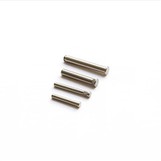
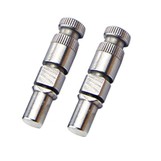
Selecting the appropriate diameter for a DC motor shaft is a critical decision that significantly impacts the performance, efficiency, and longevity of the motor. As a dedicated DC Motor Shaft supplier, I understand the intricacies involved in this process and am here to guide you through the key considerations.
Understanding the Basics of DC Motor Shafts
Before delving into the selection of the shaft diameter, it's essential to have a basic understanding of DC motor shafts. A DC motor shaft is a crucial component that transfers mechanical power from the motor to the load. It must be capable of withstanding the torque and rotational forces generated by the motor while maintaining its integrity.
There are various types of materials used for DC motor shafts, including stainless steel grades such as SUS303, SUS304, and SUS316. These materials offer different properties in terms of strength, corrosion resistance, and machinability. For more information on Motor Shaft SUS303 SUS304 SUS316, you can visit our website.
Factors Influencing Shaft Diameter Selection
Torque Requirements
One of the primary factors to consider when choosing the right shaft diameter is the torque requirements of the application. Torque is the rotational force that the motor needs to generate to drive the load. A higher torque application will require a larger diameter shaft to handle the increased stress without experiencing excessive deflection or failure.
To calculate the torque requirements, you need to know the load characteristics, such as the mass, radius of rotation, and the required acceleration. Once you have determined the torque, you can refer to engineering tables or use software tools to select a shaft diameter that can safely transmit the torque.
Speed of Rotation
The speed of rotation of the motor also plays a significant role in shaft diameter selection. Higher speeds can result in increased centrifugal forces, which can cause the shaft to deflect or even fail if it is not properly sized. As a general rule, as the speed increases, the shaft diameter may need to be increased to maintain stability and prevent excessive vibration.
It's important to note that the relationship between speed and shaft diameter is not linear. Other factors, such as the material properties and the length of the shaft, also need to be considered. For high-speed applications, it may be necessary to consult with a mechanical engineer or use advanced analysis techniques to ensure the shaft is properly sized.
Load Type
The type of load that the motor will be driving is another crucial factor. Different load types, such as constant load, variable load, or intermittent load, have different torque and stress requirements. For example, a motor driving a conveyor belt with a constant load will have different shaft diameter requirements compared to a motor driving a reciprocating pump with a variable load.
In applications with shock loads or sudden changes in torque, a larger diameter shaft may be required to provide additional strength and durability. Additionally, the type of coupling used to connect the shaft to the load can also affect the shaft diameter selection. Some couplings require a specific shaft diameter range for proper installation and operation.
Shaft Length
The length of the shaft is an important consideration as well. Longer shafts are more prone to deflection under load, which can lead to misalignment and premature wear of the bearings and other components. To minimize deflection, a larger diameter shaft may be needed for longer shafts.


The relationship between shaft length and diameter is often expressed in terms of the slenderness ratio, which is the ratio of the shaft length to its diameter. A high slenderness ratio indicates a long, thin shaft that is more likely to deflect. By keeping the slenderness ratio within acceptable limits, you can ensure the shaft's stability and performance.
Material Considerations
The material of the shaft has a direct impact on its strength, stiffness, and corrosion resistance. Different materials have different mechanical properties, which can affect the shaft diameter selection. For example, a shaft made of a high-strength steel alloy may be able to handle a higher torque with a smaller diameter compared to a shaft made of a less strong material.
Stainless steel is a popular choice for DC motor shafts due to its corrosion resistance and good mechanical properties. Grades such as SUS303, SUS304, and SUS316 offer different levels of corrosion resistance and machinability. When selecting the material, it's important to consider the operating environment and the specific requirements of the application.
Practical Steps for Shaft Diameter Selection
Step 1: Define the Application Requirements
The first step is to clearly define the application requirements, including the torque, speed, load type, and shaft length. This information can be obtained from the design specifications or by conducting tests on the actual load.
Step 2: Calculate the Torque
Use the load characteristics and the desired acceleration to calculate the torque requirements. This calculation may involve using formulas from mechanics or referring to engineering handbooks.
Step 3: Consider the Speed and Load Type
Take into account the speed of rotation and the type of load when selecting the shaft diameter. If necessary, consult with an engineer or use analysis software to ensure the shaft can handle the dynamic forces.
Step 4: Select the Material
Based on the operating environment and the mechanical requirements, select the appropriate material for the shaft. Consider factors such as corrosion resistance, strength, and machinability.
Step 5: Determine the Shaft Diameter
Using the calculated torque, speed, and other factors, refer to engineering tables or use software tools to select a shaft diameter that meets the requirements. Make sure to consider the slenderness ratio and other design constraints.
Step 6: Check for Deflection and Stress
Once you have selected a shaft diameter, it's important to check for deflection and stress using appropriate analysis methods. This step will help ensure that the shaft will perform reliably under the expected operating conditions.
Importance of Proper Shaft Diameter Selection
Selecting the right shaft diameter is crucial for the overall performance and reliability of the DC motor. An undersized shaft can lead to premature failure, increased maintenance costs, and downtime. On the other hand, an oversized shaft can be more expensive, heavier, and may require larger bearings and other components.
By carefully considering the factors discussed above and following the practical steps for shaft diameter selection, you can ensure that the DC motor shaft is properly sized for your application. This will result in a more efficient, reliable, and cost-effective motor system.
Our Product Range
As a leading DC Motor Shaft supplier, we offer a wide range of high-quality shafts to meet the diverse needs of our customers. Our shafts are available in various diameters, materials, and lengths, and can be customized to your specific requirements.
In addition to DC motor shafts, we also supply AC Motor Shaft for applications where alternating current motors are used. Our team of experienced engineers and technicians can provide technical support and assistance in selecting the right shaft for your application.
Contact Us for Procurement
If you are in the process of selecting a DC motor shaft or have any questions about shaft diameter selection, we encourage you to contact us. Our knowledgeable sales team is ready to assist you in finding the best solution for your needs. We can provide detailed product information, pricing, and delivery options.
By choosing us as your DC motor shaft supplier, you can be confident that you are getting high-quality products and excellent customer service. Let's work together to ensure the success of your motor applications.
References
- "Mechanical Engineering Design" by Joseph E. Shigley, Charles R. Mischke, and Richard G. Budynas.
- "Machinery's Handbook" by Industrial Press Inc.
- Engineering tables and standards from relevant industry organizations.