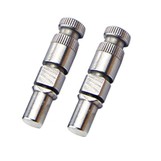
When it comes to selecting the right pin shaft for a specific application, there are numerous factors that need to be taken into account. As a pin shaft supplier, I have witnessed firsthand the critical role that a well - chosen pin shaft plays in the smooth operation of various mechanical systems. In this blog, I will share some insights on how to make an informed decision when choosing a pin shaft.
Understanding the Application Requirements
The first step in choosing the right pin shaft is to have a clear understanding of the application requirements. Consider the following aspects:
Load Capacity
One of the most important factors is the load that the pin shaft will be subjected to. This includes both static and dynamic loads. Static loads are constant forces that the pin shaft must support, while dynamic loads are variable forces, such as those caused by vibrations or sudden impacts. For applications with high - load requirements, a pin shaft with a larger diameter and higher strength material may be necessary. For example, in heavy - duty machinery like construction equipment, the pin shafts need to withstand significant forces without deformation or failure.
Operating Environment
The operating environment can have a significant impact on the performance and lifespan of the pin shaft. If the pin shaft is going to be used in a corrosive environment, such as in a chemical plant or near the ocean, a corrosion - resistant material like stainless steel is essential. On the other hand, if the application involves high temperatures, a material with good heat resistance properties should be selected. For instance, in automotive engines, pin shafts need to withstand high temperatures and lubrication conditions.
Rotational Speed
The rotational speed of the pin shaft is another crucial factor. High - speed applications require pin shafts with excellent balance and low friction to prevent excessive wear and vibration. Precision - machined pin shafts are often preferred in such cases to ensure smooth operation. For example, in high - speed motors or turbines, the pin shafts need to be precisely balanced to avoid mechanical failures.
Material Selection
The choice of material for the pin shaft is directly related to the application requirements. Here are some common materials used for pin shafts:
Carbon Steel
Carbon steel is a popular choice due to its high strength and relatively low cost. It is suitable for a wide range of applications, especially those with moderate load requirements. However, carbon steel is prone to corrosion, so it may need to be coated or treated to enhance its corrosion resistance.
Stainless Steel
Stainless steel, such as Stainless Steel SUS304 SUS316 Precision Knurled Shaft, offers excellent corrosion resistance and is suitable for applications in harsh environments. It is also available in different grades, each with its own set of properties. For example, SUS304 is a general - purpose stainless steel, while SUS316 has better corrosion resistance in chloride - containing environments.
Alloy Steel
Alloy steel is a combination of carbon steel and other alloying elements, such as chromium, nickel, and molybdenum. These alloying elements enhance the strength, hardness, and toughness of the steel. Alloy steel pin shafts are often used in high - performance applications, such as aerospace and military equipment.


Brass and Bronze
Brass and bronze are non - ferrous metals that offer good corrosion resistance and low friction. They are commonly used in applications where noise reduction and smooth operation are important, such as in musical instruments and some low - load mechanical systems.
Design Considerations
In addition to material selection, the design of the pin shaft also plays a vital role in its performance.
Diameter and Length
The diameter and length of the pin shaft should be carefully chosen based on the application requirements. A larger diameter generally provides higher load - carrying capacity, but it may also increase the weight and cost of the system. The length of the pin shaft should be sufficient to ensure proper engagement with the mating components.
Surface Finish
The surface finish of the pin shaft can affect its friction coefficient, wear resistance, and corrosion resistance. A smooth surface finish reduces friction and wear, while a rough surface may be used for applications where better grip or adhesion is required. Precision - machined pin shafts often have a high - quality surface finish, such as those found in Precision Pin Shaft.
Head and End Designs
The head and end designs of the pin shaft can vary depending on the application. Common head designs include flat heads, round heads, and hexagonal heads. The end designs can be straight, tapered, or threaded. These designs are chosen to facilitate easy installation, removal, and connection with other components.
Quality and Precision
When choosing a pin shaft, it is essential to consider the quality and precision of the product. High - quality pin shafts are manufactured using advanced machining techniques and strict quality control measures. They have consistent dimensions, good surface finish, and high strength.
Machining Tolerances
Tight machining tolerances ensure that the pin shaft fits precisely into the mating components. This is crucial for applications where accurate alignment and smooth operation are required. A pin shaft with loose tolerances may cause play, vibration, and premature wear.
Heat Treatment
Heat treatment is an important process for enhancing the mechanical properties of the pin shaft. Proper heat treatment can increase the hardness, strength, and toughness of the material. Different heat treatment processes, such as quenching and tempering, are used depending on the material and application requirements.
Supplier Selection
As a pin shaft supplier, I understand the importance of providing high - quality products and excellent customer service. When choosing a supplier, consider the following factors:
Experience and Reputation
A supplier with a long - standing experience in the industry is more likely to have the expertise and knowledge to provide suitable pin shafts for your application. Check the supplier's reputation by reading customer reviews and testimonials.
Customization Capabilities
If your application has unique requirements, a supplier with customization capabilities can be a great advantage. They can design and manufacture pin shafts according to your specific drawings and specifications.
Quality Assurance
A reliable supplier should have a comprehensive quality assurance system in place. This includes strict inspection procedures at every stage of the manufacturing process to ensure that the pin shafts meet the required standards.
In conclusion, choosing the right pin shaft for a specific application requires a thorough understanding of the application requirements, careful material selection, appropriate design considerations, and attention to quality and precision. As a pin shaft supplier, I am committed to providing high - quality pin shafts that meet the diverse needs of our customers. If you are in need of pin shafts for your application, I encourage you to contact us for further discussion and procurement negotiation. We will work closely with you to find the best solution for your specific requirements.
References
- Machinery's Handbook, 31st Edition
- ASM Handbook, Volume 1: Properties and Selection: Irons, Steels, and High - Performance Alloys
- Design of Machine Elements, 8th Edition