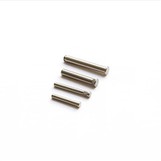
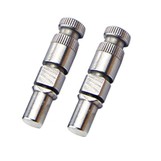
Hey there, folks! As a pinion shaft supplier, I've seen firsthand how crucial it is to pick the right pinion shaft for a specific application. It's not just about grabbing any old shaft off the shelf; it's about making an informed decision that'll ensure your machinery runs smoothly and efficiently. So, let's dive into the nitty - gritty of how to choose the right pinion shaft.
Understanding the Basics of Pinion Shafts
First things first, what exactly is a pinion shaft? Well, a pinion shaft is a small gear with teeth that meshes with a larger gear, known as a spur gear or a rack. It's a key component in many mechanical systems, from automotive transmissions to industrial machinery. The pinion shaft transfers power and motion between different parts of a machine, so getting the right one is super important.
There are different types of pinion shafts out there. For example, you've got the Stainless Steel Pinion Shaft. Stainless steel is great because it's corrosion - resistant, which means it can withstand harsh environments. If your application involves exposure to moisture, chemicals, or high temperatures, a stainless steel pinion shaft might be the way to go.
Then there's the Precision Pinion Shaft. These are designed with extremely tight tolerances. If your machinery requires high - precision operation, like in a CNC machine or a high - end watch, a precision pinion shaft is essential.
Factors to Consider When Choosing a Pinion Shaft
1. Load Capacity
One of the most important factors is the load capacity. You need to know how much force the pinion shaft will have to handle. If the load is too high for the shaft, it can lead to premature wear and even failure. To determine the load capacity, you'll need to consider things like the torque, speed, and the type of load (whether it's a static load or a dynamic load). For example, in a heavy - duty industrial press, the pinion shaft will have to deal with a large amount of force, so you'll need a shaft with a high load capacity.
2. Speed Requirements
The speed at which the pinion shaft will operate is another crucial factor. Different materials and designs can handle different speeds. If the shaft is going to spin at a very high speed, you'll need to choose a shaft that's balanced and has low friction. For instance, in a high - speed electric motor, a pinion shaft made from a lightweight and strong material with a smooth surface finish will be ideal.
3. Material Compatibility
The material of the pinion shaft should be compatible with the other components in the system. For example, if the other gears are made of a certain type of steel, you'll want to choose a pinion shaft material that won't cause excessive wear or corrosion when in contact with them. Also, consider the lubrication requirements of the material. Some materials work better with certain types of lubricants.


4. Environmental Conditions
As I mentioned earlier, the environment in which the pinion shaft will operate matters a lot. If it's going to be in a dirty or dusty environment, you'll need a shaft that can resist abrasion. In a wet or corrosive environment, a corrosion - resistant material like stainless steel is a must. And if it's going to be in a high - temperature environment, the material should be able to maintain its strength and properties at those temperatures.
5. Size and Fit
The size of the pinion shaft is obviously important. It needs to fit properly with the other components in the system. You'll need to consider the diameter, length, and the number of teeth on the shaft. A shaft that's too big or too small won't work correctly and can cause all sorts of problems. Make sure to measure and specify the exact dimensions required for your application.
Application - Specific Considerations
Automotive Applications
In the automotive industry, pinion shafts are used in transmissions, differentials, and steering systems. For transmissions, you need a pinion shaft that can handle high torque and speed changes. The material should be strong and durable to withstand the constant shifting and stress. In differentials, the shaft needs to be able to distribute power evenly between the wheels. And in steering systems, precision is key to ensure smooth and accurate steering.
Industrial Machinery
Industrial machinery comes in all shapes and sizes, from conveyor belts to large manufacturing equipment. In conveyor belts, the pinion shaft needs to be able to handle continuous operation and transfer power efficiently. For large manufacturing equipment, like milling machines or lathes, the shaft needs to be precise and able to handle heavy loads.
Robotics
Robotics is a rapidly growing field, and pinion shafts play an important role in many robotic systems. In robotic arms, the shaft needs to be lightweight yet strong to allow for quick and precise movements. It also needs to be able to handle repetitive motions without wearing out quickly.
How We Can Help
As a pinion shaft supplier, we've got the expertise and the resources to help you choose the right pinion shaft for your specific application. We've got a wide range of materials, sizes, and designs to choose from. Our team of experts can work with you to understand your requirements and recommend the best solution.
Whether you need a Stainless Steel Pinion Shaft for a harsh environment or a Precision Pinion Shaft for a high - precision application, we've got you covered. We can also provide custom - made pinion shafts if your requirements are unique.
If you're in the market for a pinion shaft, don't hesitate to reach out to us. We're here to make the process as easy and stress - free as possible. Just let us know your application details, and we'll do our best to find the perfect fit for you.
References
- "Mechanical Engineering Design" by Joseph E. Shigley and Charles R. Mischke
- "Machinery's Handbook" by Industrial Press Inc.
- Various industry - specific technical manuals and standards