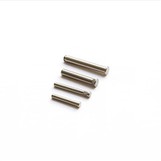
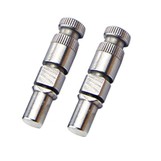
Hey there! As a supplier of linear shafts, I've seen my fair share of issues with shaft misalignment. It's a common problem that can cause all sorts of headaches, from reduced efficiency to premature wear and tear. In this blog post, I'm gonna walk you through how to correct the misalignment of a linear shaft.
First off, let's understand why misalignment happens. There are several reasons. Installation errors can be a big culprit. If the shaft isn't installed properly, it might end up being misaligned from the start. Vibration and shock over time can also gradually shift the shaft out of place. And sometimes, the surrounding machinery can wear or deform, which then affects the alignment of the linear shaft.
Now, let's get into the steps to correct that misalignment. The first thing you gotta do is inspect the shaft and its surroundings carefully. Look at the mounts where the shaft is attached. Are they loose or damaged? A loose mount can easily lead to misalignment. Check for any signs of wear on the shaft itself, like scratches or dents. If there are visible damages, the shaft might need to be replaced.
You'll also want to examine the parallelism and angularity of the shaft. Parallelism refers to how parallel the shaft is to its intended path. Angularity is about the correct angle of the shaft. You can use tools like dial indicators to measure these aspects accurately. Place the dial indicator on the shaft and move it along the length. The readings will tell you if there are any deviations from the proper alignment.
Once you've identified the problem areas, it's time to start making adjustments. For small adjustments, you might be able to use shims. Shims are thin pieces of material that you can place under the mounts to change the position of the shaft slightly. Just place the shims carefully, making sure they're evenly distributed. Then, check the alignment again using your measuring tools. If the shims are working, you should see the readings getting closer to the correct values.


If the misalignment is more severe, you might need to loosen the mounting bolts. But be super careful when you do this. You don't want to create more problems by shaking the shaft around too much. Once the bolts are loose, you can gently reposition the shaft to get it back in line. Then, tighten the bolts slowly and evenly, checking the alignment periodically as you go.
Another important thing to keep in mind is lubrication. A well - lubricated shaft is less likely to experience excessive wear that can contribute to misalignment. Make sure you use the right type of lubricant for your linear shaft. Refer to the manufacturer's recommendations for the best results. And don't forget to clean the shaft before applying the lubricant to get rid of any dirt or debris that could cause additional problems.
Now, let's talk about some prevention strategies to avoid misalignment in the first place. When installing a new linear shaft, follow the installation instructions carefully. Use the right tools and make sure all the components fit together properly. Also, choose a high - quality shaft. We offer some great options like the Precision Linear Shaft and the Hardened Steel Linear Shaft. These are made to high standards and are less likely to have alignment issues.
Regular maintenance is also crucial. Set up a maintenance schedule to inspect the shaft periodically. Check for signs of wear, loose mounts, and misalignment. Catching these problems early can save you a lot of time and money in the long run.
In some cases, you might need professional help. If you're not confident in your ability to correct the misalignment, or if the problem is too complex to handle on your own, it's a good idea to consult with an expert. They have the knowledge and experience to diagnose and fix the problem quickly and effectively.
As a linear shaft supplier, I'm here to help you with all your linear shaft needs. Whether you need advice on alignment correction, or you're looking to purchase a new shaft, I've got you covered. If you're interested in our products or have any questions, don't hesitate to reach out and start a conversation about your requirements. We can work together to find the best solutions for your machinery.
References
- General Machinery Handbook for Linear Motion Components
- Manufacturer's Guidelines for Linear Shaft Installation and Maintenance