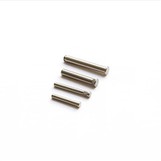
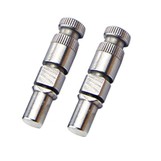
Installing a cam on a DC motor shaft is a task that requires precision, the right tools, and a good understanding of both the cam and the DC motor. As a DC Motor Shaft supplier, I've had the opportunity to see firsthand the importance of a proper installation. In this blog, I'll guide you through the process step by step, sharing insights and tips along the way.
Understanding the Basics
Before we dive into the installation process, it's essential to understand the key components involved. A DC motor shaft is the rotating part of the motor that transfers power from the motor to other components. It's crucial to ensure that the shaft is in good condition and has the appropriate dimensions for the cam you're planning to install.
Cams, on the other hand, are mechanical devices that convert rotational motion into linear motion or vice versa. They come in various shapes and sizes, each designed for specific applications. When choosing a cam for your DC motor, consider factors such as the required motion profile, load capacity, and operating speed.
Tools and Materials Needed
To install a cam on a DC motor shaft, you'll need the following tools and materials:
- Cam: Choose a cam that is compatible with your DC motor shaft in terms of size and shape.
- DC Motor: Ensure that the motor is in good working condition and has the appropriate power output for your application.
- Screwdriver or Wrench: Depending on the type of cam and motor, you may need a screwdriver or wrench to secure the cam to the shaft.
- Hammer: A hammer may be required to gently tap the cam into place.
- Measuring Tools: Use a caliper or micrometer to measure the dimensions of the shaft and cam to ensure a proper fit.
- Lubricant: Applying a small amount of lubricant to the shaft can make the installation process smoother and reduce friction.
Step-by-Step Installation Process
Step 1: Prepare the Motor and Cam
- First, turn off the DC motor and disconnect it from the power source to ensure your safety.
- Clean the motor shaft thoroughly to remove any dirt, debris, or grease. This will help the cam seat properly on the shaft.
- Inspect the cam for any damage or defects. Make sure the cam's bore size matches the diameter of the motor shaft. If necessary, use a measuring tool to verify the dimensions.
Step 2: Apply Lubricant
- Apply a thin layer of lubricant to the motor shaft. This will not only facilitate the installation process but also reduce wear and tear between the shaft and the cam during operation.
Step 3: Position the Cam on the Shaft
- Carefully align the cam's bore with the motor shaft. Ensure that the cam is positioned correctly in terms of the desired orientation and the angle of rotation.
- Slowly slide the cam onto the shaft. If the cam doesn't slide easily, do not force it. Check for any misalignment or obstructions and make the necessary adjustments.
Step 4: Secure the Cam
- Once the cam is in the correct position on the shaft, use a screwdriver or wrench to secure it. Some cams may have set screws that need to be tightened against the shaft to prevent the cam from slipping.
- Tighten the screws or fasteners gradually and evenly to ensure a secure fit. Avoid over-tightening, as this can damage the shaft or the cam.
Step 5: Check the Installation
- After securing the cam, visually inspect the installation to ensure that the cam is properly seated and aligned.
- Rotate the motor shaft by hand to check for any binding or uneven movement. If you notice any issues, loosen the fasteners, reposition the cam, and repeat the installation process.
Troubleshooting Common Issues
During the installation process, you may encounter some common issues. Here are some solutions to help you overcome them:
Cam Won't Fit
- If the cam's bore is too small for the shaft, you may need to ream or machine the bore to the correct size. However, this should be done carefully to avoid damaging the cam.
- If the cam is too large, check if there are other compatible cams available or consider using shims to achieve a proper fit.
Cam Slipping on the Shaft
- If the cam slips on the shaft during operation, it may be due to insufficient tightening of the set screws or a poor fit between the cam and the shaft.
- Check the tightness of the set screws and re-tighten them if necessary. You can also apply a thread-locking compound to the set screws to prevent them from loosening over time.
Uneven Movement
- Uneven movement of the cam may be caused by misalignment or a damaged cam.
- Check the alignment of the cam and the shaft. If the cam is damaged, replace it with a new one.
Why Choose Our DC Motor Shafts
As a DC Motor Shaft supplier, we offer a wide range of high-quality shafts to meet your specific needs. Our Brushless Motor Shaft is designed for efficient and reliable performance in brushless motor applications. We also provide Motor Shaft SUS303 SUS304 SUS316, which are made from high-grade stainless steel for enhanced durability and corrosion resistance. Additionally, our AC Motor Shaft is suitable for various AC motor applications.
Our shafts are precision-engineered to ensure a perfect fit with your cams and other motor components. We use advanced manufacturing techniques and high-quality materials to guarantee the performance and longevity of our products. Whether you're a hobbyist or a professional engineer, our DC motor shafts are the ideal choice for your projects.
Conclusion
Installing a cam on a DC motor shaft is a straightforward process if you follow the right steps and use the appropriate tools. By understanding the basics, preparing the components properly, and taking the time to ensure a secure and accurate installation, you can achieve optimal performance from your motor and cam system.


If you're in the market for high-quality DC motor shafts or have any questions about the installation process, don't hesitate to contact us. Our team of experts is ready to assist you with your purchasing decisions and provide you with the support you need. Let's work together to find the perfect solutions for your motor applications.
References
- Johnson, R. (2018). Motor Design and Application Handbook. McGraw-Hill Education.
- Smith, A. (2020). Mechanical Engineering for Beginners. Penguin Random House.
- Brown, C. (2019). Cam Design and Manufacturing Handbook. CRC Press.