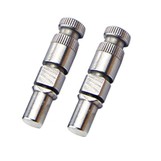
Hey there! As a supplier of Robot Main Shaft, I've seen firsthand how crucial it is to install the robot main shaft correctly. A proper installation not only ensures the smooth operation of your robot but also extends the lifespan of the main shaft. So, let's dive into how you can get this job done right.
Pre - installation Checks
Before you even start the installation process, there are a few essential checks you need to do.
First off, inspect the robot main shaft for any visible damage. Look for scratches, dents, or any signs of wear and tear. A damaged shaft can lead to all sorts of problems down the line, like vibrations, reduced accuracy, and even complete failure. If you notice any issues, don't try to install it. Instead, contact us, and we'll sort it out for you.
Next, check the specifications of your robot. Make sure that the main shaft you've got is the right fit for your robot model. The dimensions, power requirements, and compatibility are all super important. You can refer to the user manual of your robot or give us a shout if you're not sure. We've got a team of experts who can help you confirm the compatibility.
Also, clean the area where the main shaft will be installed. Remove any dust, debris, or old lubricants. A clean installation area will prevent contaminants from getting into the shaft and causing problems. You can use a clean, dry cloth and some mild cleaning agents if necessary.
Tools and Equipment
Gather all the tools you'll need for the installation. This usually includes wrenches, screwdrivers, and maybe a torque wrench. Having the right tools on hand makes the installation process much easier and safer.
A torque wrench is particularly important because it allows you to tighten the bolts to the correct torque. Over - tightening or under - tightening the bolts can cause issues like misalignment or loose connections. Make sure you know the recommended torque values for your specific robot main shaft. These values can usually be found in the product manual or by asking us.
Installation Steps
Step 1: Positioning the Shaft
Carefully position the robot main shaft in the designated area of the robot. Make sure it's lined up correctly with the mounting holes. You may need to use a guiding tool or a helper to hold the shaft in place while you make the initial connections.
If the shaft has alignment pins or keys, ensure they fit properly into their corresponding slots. This helps to ensure that the shaft is installed in the correct orientation and reduces the risk of misalignment.
Step 2: Securing the Shaft
Once the shaft is in the right position, start by loosely inserting the bolts through the mounting holes. Don't fully tighten them yet. This allows you to make any minor adjustments to the shaft's position if needed.
After all the bolts are inserted, use a torque wrench to tighten them gradually. Start with a light tightening and then go around the bolts in a star pattern, gradually increasing the torque to the recommended value. This helps to distribute the pressure evenly and prevents the shaft from warping or becoming misaligned.
Step 3: Connecting the Drive System
If your robot main shaft is part of a drive system, you'll need to connect it properly. This may involve attaching belts, chains, or couplings.
When connecting belts or chains, make sure they are tensioned correctly. Too much tension can cause excessive wear on the components, while too little tension can lead to slipping and reduced performance. You can use a tension gauge to measure and adjust the tension as needed.
For couplings, follow the manufacturer's instructions carefully. Make sure they are installed in the correct order and that all the connections are secure.
Step 4: Electrical Connections
If your robot main shaft has electrical components, such as sensors or motors, make the electrical connections. Double - check the wiring to ensure there are no loose connections or short circuits.
Use wire connectors or soldering techniques as appropriate. Label the wires if necessary to make future maintenance or troubleshooting easier.
Step 5: Testing
Once the installation is complete, it's time to test the robot main shaft. Start with a slow, low - power test to check for any abnormal vibrations, noises, or movements. If everything seems okay, gradually increase the power and speed to the normal operating range.
Monitor the performance of the shaft closely during the test. Check for any signs of overheating, excessive wear, or other issues. If you notice anything wrong, stop the test immediately and investigate the problem.
Post - installation Maintenance
After a successful installation, regular maintenance is key to keeping your robot main shaft in top condition.
Lubricate the shaft as recommended by the manufacturer. This reduces friction and wear, and helps to keep the shaft running smoothly. Use the right type of lubricant for your specific shaft.
Inspect the shaft and its connections regularly for signs of wear, loose bolts, or other issues. Catching problems early can prevent more serious damage and costly repairs.
Troubleshooting
Even with a proper installation, you may encounter some issues. Here are some common problems and how to fix them.
If you notice vibrations during operation, it could be due to misalignment, unbalanced components, or loose connections. Check the alignment of the shaft and tighten any loose bolts. You may also need to balance the rotating components if necessary.
Noises can be a sign of wear, lack of lubrication, or damaged parts. Inspect the shaft for signs of wear and add lubricant if needed. If the noise persists, it may be a sign of a more serious problem, and you should contact us for further assistance.
If the shaft fails to operate properly, check the electrical connections, power supply, and control settings. Make sure all the components are functioning correctly. If you're still having trouble, we're here to help you diagnose and fix the problem.
Why Choose Our Robot Main Shaft
At our company, we take pride in providing high - quality robot main shafts. Our shafts are made from top - grade materials and undergo strict quality control measures. We offer a wide range of shafts to suit different robot models and applications.
In addition to our great products, we also provide excellent customer support. Our team of experts is always ready to answer your questions, help with installation, and provide troubleshooting advice.
If you're in the market for a new robot main shaft or need help with the installation of your current one, don't hesitate to get in touch with us. We're here to ensure that you get the best performance from your robot. Whether you're a small - scale manufacturer or a large industrial company, we can meet your needs.

So, if you're looking for a reliable and high - quality robot main shaft, give us a call or send us an email. We'll be happy to discuss your requirements and help you find the perfect solution.
References
- Manufacturer's product manuals for the robot main shaft
- Industry standards for robot installation and maintenance