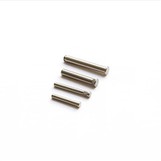
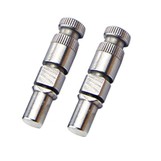
Hey there! I'm a supplier of pin shafts, and I've seen firsthand how important it is to maintain these little guys properly. Pin shafts are used in a wide range of applications, from automotive to industrial machinery. They play a crucial role in ensuring smooth operation and preventing wear and tear on other components. So, in this blog post, I'm going to share some tips on how to maintain a pin shaft to keep it in top-notch condition.
Understanding Your Pin Shaft
Before we dive into maintenance, it's important to understand what a pin shaft is and what it does. A pin shaft is a cylindrical rod that's used to connect two or more components together. It can be made from a variety of materials, including steel, stainless steel, and aluminum. The choice of material depends on the specific application and the requirements for strength, durability, and corrosion resistance.
We offer a couple of different types of pin shafts on our website. You can check out our Precision Pin Shaft for high - precision applications, and our Stainless Steel Pin Shaft which is great for environments where corrosion is a concern.
Regular Inspection
The first step in maintaining a pin shaft is regular inspection. You should visually inspect the pin shaft for any signs of damage, such as cracks, bends, or excessive wear. Check the surface finish of the pin shaft; any rough spots or pits can indicate problems. Also, look at the areas where the pin shaft connects to other components. Loose connections can lead to misalignment and further damage.
It's a good idea to set up a regular inspection schedule. For light - duty applications, a monthly inspection might be sufficient. But for heavy - duty or high - stress applications, you may need to inspect the pin shaft weekly or even daily. During the inspection, use a magnifying glass if necessary to spot small cracks or signs of wear that might not be visible to the naked eye.
Cleaning
Keeping the pin shaft clean is essential for its proper functioning. Dirt, dust, and debris can accumulate on the surface of the pin shaft, causing friction and accelerating wear. To clean the pin shaft, first, remove it from the equipment if possible. Use a mild solvent or a specialized cleaning solution designed for the material of the pin shaft.
For example, if you have a stainless steel pin shaft, you can use a stainless - steel cleaner to remove any rust or stains. Gently scrub the pin shaft with a soft brush to get into all the nooks and crannies. Rinse it thoroughly with clean water and dry it completely before reinstalling it. Make sure to clean the areas where the pin shaft connects to other components as well, as dirt in these areas can also cause problems.
Lubrication
Lubrication is another key aspect of pin shaft maintenance. A well - lubricated pin shaft reduces friction, which in turn reduces wear and tear and helps the equipment operate more smoothly. The type of lubricant you use depends on the application and the environment.
For general applications, a high - quality grease or oil can work well. Apply the lubricant evenly along the length of the pin shaft, making sure to cover all the contact surfaces. In high - temperature or high - speed applications, you may need a specialized lubricant that can withstand these conditions. Be careful not to over - lubricate, as excess lubricant can attract dirt and debris, which can cause more harm than good.
Alignment
Proper alignment of the pin shaft is crucial. Misaligned pin shafts can cause uneven wear, vibration, and even component failure. When installing or reinstalling a pin shaft, make sure it is aligned correctly with the other components it connects to. Use alignment tools, such as dial indicators, to ensure precise alignment.
If you notice any signs of misalignment, such as unusual noise or vibration during operation, stop the equipment immediately and check the alignment of the pin shaft. Correcting misalignment early can prevent more serious damage down the line.
Storage
If you're not using the pin shaft for a while, proper storage is important. Store the pin shaft in a clean, dry place away from direct sunlight and moisture. If possible, wrap the pin shaft in a protective material, such as a plastic bag or a cloth, to prevent it from getting scratched or damaged.

Avoid storing the pin shaft in a place where it can be exposed to chemicals or other corrosive substances. If you need to store multiple pin shafts, make sure they are separated to prevent them from rubbing against each other and causing damage.

Dealing with Wear and Tear
Even with proper maintenance, pin shafts will eventually experience wear and tear. When you notice significant wear, it's important to replace the pin shaft promptly. Continuing to use a worn - out pin shaft can lead to more serious problems, such as damage to other components or even equipment failure.
Keep an eye on the wear indicators. For example, if the diameter of the pin shaft has decreased beyond a certain tolerance, it's time for a replacement. You can refer to the manufacturer's specifications for the acceptable wear limits.
Conclusion
Maintaining a pin shaft is not that complicated, but it does require some attention and regular upkeep. By following these tips - regular inspection, cleaning, lubrication, alignment, proper storage, and timely replacement - you can extend the lifespan of your pin shaft and keep your equipment running smoothly.
If you're in the market for high - quality pin shafts or have any questions about pin shaft maintenance, don't hesitate to reach out. We're here to help you with all your pin shaft needs. Whether you need a Precision Pin Shaft or a Stainless Steel Pin Shaft, we've got you covered. Start a conversation with us to discuss your requirements and explore the best options for your application.
References
- Machinery's Handbook: A comprehensive guide to mechanical engineering and manufacturing processes.
- Manufacturer's manuals for pin shafts and related equipment.