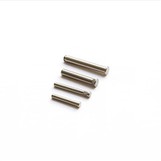
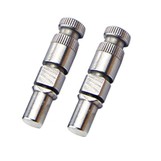
Maintaining a rotating shaft is a crucial aspect of ensuring the smooth operation and longevity of various mechanical systems. As a rotating shaft supplier, I understand the significance of proper maintenance in maximizing the performance and reliability of these essential components. In this blog post, I will share some valuable insights and practical tips on how to maintain a rotating shaft effectively.
Understanding the Basics of Rotating Shafts
Before delving into maintenance techniques, it's important to have a basic understanding of rotating shafts. A rotating shaft is a mechanical component that transmits torque and rotational motion between different parts of a machine. It is commonly used in engines, motors, pumps, and other industrial equipment. Rotating shafts are typically made of high-strength materials such as steel or alloy, and they are designed to withstand high levels of stress and fatigue.
Importance of Maintenance
Proper maintenance of rotating shafts is essential for several reasons. Firstly, it helps to prevent premature wear and tear, which can lead to costly repairs or replacements. Secondly, it ensures the efficient operation of the machine, reducing energy consumption and improving productivity. Thirdly, it enhances the safety of the equipment and its operators by minimizing the risk of unexpected failures or breakdowns.
Regular Inspection
One of the most important aspects of maintaining a rotating shaft is regular inspection. This involves visually examining the shaft for any signs of damage, such as cracks, dents, or corrosion. It's also important to check the alignment of the shaft and ensure that it is properly supported and lubricated. Regular inspections should be carried out at predetermined intervals, depending on the operating conditions and the manufacturer's recommendations.
Lubrication
Lubrication is another critical factor in maintaining a rotating shaft. Proper lubrication helps to reduce friction and wear between the shaft and its bearings, ensuring smooth operation and extending the lifespan of the components. It's important to use the right type of lubricant for the specific application and to follow the manufacturer's guidelines for lubrication intervals and quantities. Over-lubrication can also be a problem, as it can lead to the accumulation of dirt and debris, which can cause damage to the shaft and its bearings.
Balancing
Balancing is an important process that helps to ensure the smooth operation of a rotating shaft. When a shaft is unbalanced, it can cause vibrations, which can lead to premature wear and tear on the shaft and its bearings. Balancing involves adding or removing weight from the shaft to ensure that it rotates evenly. This can be done using specialized equipment and techniques, and it should be carried out by a qualified technician.
Alignment
Proper alignment of the rotating shaft is essential for its smooth operation and longevity. Misalignment can cause excessive stress on the shaft and its bearings, leading to premature wear and failure. It's important to ensure that the shaft is properly aligned with the other components of the machine, such as the motor, coupling, and driven equipment. This can be done using alignment tools and techniques, and it should be checked regularly to ensure that the alignment remains within the specified tolerances.
Cleaning
Regular cleaning of the rotating shaft and its components is important to prevent the accumulation of dirt, debris, and contaminants. This can be done using a clean cloth or a soft brush, and it's important to avoid using abrasive materials that could damage the surface of the shaft. Cleaning should be carried out at regular intervals, depending on the operating conditions and the level of contamination.
Storage
Proper storage of rotating shafts is important to prevent damage and corrosion during periods of non-use. Shafts should be stored in a clean, dry, and well-ventilated area, away from direct sunlight and moisture. They should be protected from dust and debris, and they should be stored in a horizontal position to prevent warping. It's also important to follow the manufacturer's recommendations for storage conditions and duration.
Training and Education
Finally, it's important to provide training and education to the operators and maintenance personnel who are responsible for the rotating shafts. This can help to ensure that they understand the importance of proper maintenance and that they have the skills and knowledge to carry out the necessary tasks effectively. Training should cover topics such as inspection, lubrication, balancing, alignment, cleaning, and storage, and it should be updated regularly to reflect the latest industry standards and best practices.
Conclusion
Maintaining a rotating shaft is a complex and ongoing process that requires careful attention to detail and a commitment to quality. By following the tips and guidelines outlined in this blog post, you can ensure the smooth operation and longevity of your rotating shafts, reducing the risk of unexpected failures and downtime. As a rotating shaft supplier, I am committed to providing high-quality products and services to my customers, and I am always available to offer advice and support on rotating shaft maintenance. If you have any questions or need further information, please don't hesitate to contact me. I look forward to hearing from you and helping you to meet your rotating shaft needs.
References
- Machinery's Handbook, 31st Edition
- ASME Standard B106.1M-1985, Methods for Measuring, Expressing, and Evaluating Unbalance in Rotating Rigid Bodies
- ISO Standard 1940-1:2003, Mechanical vibration -- Balance quality requirements for rotors in a constant (rigid) state -- Part 1: Specification and verification of balance tolerances
Contact for Procurement
If you are interested in purchasing high-quality rotating shafts or need further assistance with maintenance and technical support, please feel free to reach out to us. We are a leading Precision Rotating Shaft supplier, committed to providing top-notch products and excellent customer service. Our team of experts is ready to discuss your specific requirements and offer customized solutions to meet your needs. Start a conversation with us today to explore the possibilities of working together.