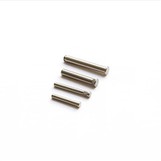
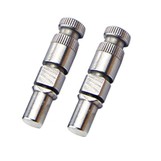
Hey there! As a robot shaft supplier, I've seen firsthand the importance of optimizing the weight-to-strength ratio of a robot shaft. It's a crucial factor that can significantly impact the performance and efficiency of a robot. In this blog post, I'll share some insights and strategies on how to achieve this optimization.
Understanding the Weight-to-Strength Ratio
Before we dive into the optimization strategies, let's first understand what the weight-to-strength ratio means. Simply put, it's the relationship between the weight of a shaft and its ability to withstand stress and load. A lower weight-to-strength ratio indicates that the shaft is lighter while still maintaining a high level of strength. This is desirable in robotics because it allows for faster movement, reduced energy consumption, and improved overall performance.
Material Selection
One of the most effective ways to optimize the weight-to-strength ratio of a robot shaft is through careful material selection. Different materials have different properties, and choosing the right one can make a big difference. Here are some materials commonly used in robot shafts and their characteristics:

- Aluminum Alloys: Aluminum alloys are lightweight, corrosion-resistant, and have good strength-to-weight ratios. They are a popular choice for robot shafts, especially in applications where weight reduction is a priority. For example, in collaborative robots, where the robot needs to move quickly and interact safely with humans, aluminum shafts can help achieve these goals.
- Titanium Alloys: Titanium alloys are known for their high strength, low density, and excellent corrosion resistance. They are more expensive than aluminum alloys but offer superior performance in terms of strength and durability. Titanium shafts are often used in high-performance robots, such as those used in aerospace and defense applications.
- Carbon Fiber Composites: Carbon fiber composites are extremely lightweight and have very high strength-to-weight ratios. They are also stiff and have good fatigue resistance. However, they can be more difficult to manufacture and are relatively expensive. Carbon fiber shafts are commonly used in high-end robotics, where weight reduction and high performance are critical.
When selecting a material for a robot shaft, it's important to consider the specific requirements of the application, such as the load capacity, operating environment, and cost. You may also need to consult with a materials expert to ensure that you choose the right material for your needs.
Design Optimization
In addition to material selection, design optimization is another key factor in optimizing the weight-to-strength ratio of a robot shaft. Here are some design strategies that can help:
- Hollow Shaft Design: A hollow shaft design can significantly reduce the weight of the shaft while maintaining its strength. By removing the material from the center of the shaft, the moment of inertia is reduced, which allows for faster acceleration and deceleration. Hollow shafts are commonly used in robotics, especially in applications where weight reduction is a priority.
- Variable Cross-Section Design: A variable cross-section design can optimize the distribution of material along the length of the shaft. By increasing the cross-section in areas where the stress is higher and decreasing it in areas where the stress is lower, the weight of the shaft can be reduced without sacrificing its strength. Variable cross-section shafts are often used in high-performance robots, where weight reduction and high performance are critical.
- Lightweight Features: Adding lightweight features, such as ribs, fins, or holes, can further reduce the weight of the shaft while maintaining its strength. These features can also improve the stiffness and damping characteristics of the shaft, which can enhance its performance.
When designing a robot shaft, it's important to use advanced engineering tools, such as finite element analysis (FEA), to simulate the performance of the shaft under different loading conditions. This can help you identify areas where the design can be optimized and ensure that the shaft meets the required performance criteria.
Manufacturing Processes
The manufacturing process used to produce a robot shaft can also have a significant impact on its weight-to-strength ratio. Here are some manufacturing processes that can help:
- Precision Machining: Precision machining is a manufacturing process that uses computer-controlled machines to produce high-precision parts. By using precision machining, the dimensions and tolerances of the shaft can be accurately controlled, which can improve its performance and reduce its weight. Precision machining is commonly used in robotics, especially in applications where high precision and quality are required.
- Additive Manufacturing: Additive manufacturing, also known as 3D printing, is a manufacturing process that builds parts layer by layer using a digital model. By using additive manufacturing, complex geometries can be produced that are difficult or impossible to achieve using traditional manufacturing methods. This can allow for the design of lightweight and optimized shafts. Additive manufacturing is becoming increasingly popular in robotics, especially in applications where rapid prototyping and customization are required.
- Heat Treatment: Heat treatment is a manufacturing process that involves heating and cooling a material to change its properties. By using heat treatment, the strength and hardness of the shaft can be improved, which can reduce its weight. Heat treatment is commonly used in robotics, especially in applications where high strength and durability are required.
When selecting a manufacturing process for a robot shaft, it's important to consider the specific requirements of the application, such as the quantity, quality, and cost. You may also need to consult with a manufacturing expert to ensure that you choose the right manufacturing process for your needs.
Testing and Validation
Once the robot shaft has been designed and manufactured, it's important to test and validate its performance to ensure that it meets the required specifications. Here are some testing methods that can be used:
- Tensile Testing: Tensile testing is a testing method that measures the strength and ductility of a material by applying a tensile force to it. By performing tensile testing on the robot shaft, its strength and ductility can be determined, which can help ensure that it meets the required specifications.
- Fatigue Testing: Fatigue testing is a testing method that measures the ability of a material to withstand repeated loading and unloading cycles. By performing fatigue testing on the robot shaft, its fatigue life can be determined, which can help ensure that it can withstand the expected operating conditions.
- Dynamic Testing: Dynamic testing is a testing method that measures the performance of a robot shaft under dynamic loading conditions. By performing dynamic testing on the robot shaft, its dynamic response can be determined, which can help ensure that it can operate smoothly and efficiently.
When testing and validating the performance of a robot shaft, it's important to use standardized testing methods and equipment to ensure that the results are accurate and reliable. You may also need to consult with a testing expert to ensure that you choose the right testing methods for your needs.
Conclusion
Optimizing the weight-to-strength ratio of a robot shaft is a complex and challenging task that requires careful consideration of many factors, such as material selection, design optimization, manufacturing processes, and testing and validation. By following the strategies and tips outlined in this blog post, you can significantly improve the performance and efficiency of your robot shafts.
If you're interested in learning more about robot shafts or need help optimizing the weight-to-strength ratio of your robot shafts, please don't hesitate to contact us. We're a leading Robot Main Shaft supplier with extensive experience in designing and manufacturing high-performance robot shafts. We'd be happy to discuss your specific requirements and provide you with a customized solution.
References
- Ashby, M. F. (2011). Materials selection in mechanical design. Butterworth-Heinemann.
- Dieter, G. E., & Schmidt, L. C. (2008). Engineering design: A materials and processing approach. McGraw-Hill.
- Kalpakjian, S., & Schmid, S. R. (2010). Manufacturing engineering and technology. Pearson Prentice Hall.