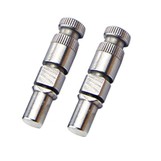
When it comes to the transportation of motor shafts, ensuring their safety from damage is of utmost importance. As a motor shaft supplier, I understand the challenges and risks involved in getting these precision components to our customers in pristine condition. In this blog post, I'll share some practical strategies and best practices to protect motor shafts during transportation.
Understanding the Risks
Before we delve into the protective measures, it's essential to understand the potential risks that motor shafts face during transportation. These risks can be broadly categorized into mechanical, environmental, and handling-related factors.
Mechanical risks include impacts, vibrations, and shocks that can occur during loading, unloading, and transit. These forces can cause dents, scratches, or even structural damage to the motor shafts. Environmental factors such as humidity, temperature fluctuations, and exposure to corrosive substances can also degrade the surfaces of the shafts, leading to rust and corrosion. Handling-related risks involve improper packaging, stacking, and securing, which can result in misalignment or damage to the shafts.
Selecting the Right Packaging Materials
One of the most effective ways to protect motor shafts during transportation is by using appropriate packaging materials. The packaging should be able to absorb shocks, prevent vibrations, and provide a barrier against environmental factors.
For smaller motor shafts, foam inserts or bubble wrap can be used to cushion the shafts and prevent them from moving around inside the packaging. These materials are lightweight, flexible, and can conform to the shape of the shafts, providing a snug fit. For larger motor shafts, custom-made wooden crates or metal containers can be used. These containers should be designed to provide maximum protection and stability during transit.
In addition to cushioning materials, moisture-resistant packaging materials such as plastic bags or shrink wrap can be used to protect the shafts from humidity and moisture. These materials can also prevent the shafts from coming into contact with corrosive substances during transportation.
Securing the Motor Shafts
Once the motor shafts are properly packaged, it's important to secure them inside the shipping container to prevent movement and damage. This can be done by using straps, ropes, or brackets to hold the shafts in place.
When using straps or ropes, make sure they are tightened securely but not too tightly to avoid damaging the shafts. The straps or ropes should be placed in a way that distributes the weight evenly across the shafts and prevents them from shifting during transit.
Brackets can also be used to secure the motor shafts inside the shipping container. These brackets should be designed to fit the shape of the shafts and provide a stable base for them. The brackets should be attached to the container using screws or bolts to ensure they are firmly in place.
Choosing the Right Shipping Method
The choice of shipping method can also have a significant impact on the safety of the motor shafts during transportation. Different shipping methods have different levels of risk, and it's important to choose the one that provides the most protection for your motor shafts.
For short-distance transportation, ground shipping is often the most convenient and cost-effective option. However, ground shipping can be subject to vibrations and shocks, especially on rough roads. To minimize these risks, it's important to choose a reliable shipping carrier that uses well-maintained vehicles and has a good track record of delivering goods safely.
For long-distance transportation or international shipments, air freight or sea freight may be more suitable. Air freight is generally faster and more secure than sea freight, but it can also be more expensive. Sea freight, on the other hand, is slower but more cost-effective for large shipments. When choosing sea freight, it's important to ensure that the shipping container is properly sealed and protected from the elements.
Inspecting the Motor Shafts Before and After Transportation
Before shipping the motor shafts, it's important to inspect them carefully to ensure they are in good condition. This can help identify any pre-existing damage or defects that may need to be addressed before shipping.
During the inspection, check the shafts for any signs of damage, such as dents, scratches, or corrosion. Measure the dimensions of the shafts to ensure they meet the specifications. Also, check the surface finish of the shafts to ensure it is smooth and free of any imperfections.
After the motor shafts are delivered, it's important to inspect them again to ensure they have not been damaged during transportation. If any damage is found, document it immediately and contact the shipping carrier or insurance provider to file a claim.
Providing Clear Instructions to the Shipping Carrier
To ensure the safe transportation of motor shafts, it's important to provide clear instructions to the shipping carrier. These instructions should include information about the fragile nature of the motor shafts, the recommended handling procedures, and any special requirements.
The shipping carrier should be aware of the importance of handling the motor shafts with care and should take all necessary precautions to prevent damage. They should also be informed about any specific packaging requirements or restrictions.


Conclusion
Protecting motor shafts from damage during transportation is a critical task that requires careful planning and attention to detail. By following the strategies and best practices outlined in this blog post, you can minimize the risks and ensure that your motor shafts arrive at their destination in perfect condition.
If you're in the market for high-quality motor shafts, we offer a wide range of options, including Motor Shaft SUS303 SUS304 SUS316, Brushless Motor Shaft, and AC Motor Shaft. Our motor shafts are made from the finest materials and are manufactured to the highest standards of quality.
If you have any questions or would like to discuss your motor shaft requirements, please don't hesitate to contact us. We're here to help you find the perfect solution for your needs.
References
- "Packaging Design for Product Protection" by Randall H. Barlow
- "Transportation Packaging Handbook" by J. Paul Robinson
- Industry standards and guidelines for motor shaft transportation