Hey there! As a supplier of AC Motor Shafts, I've seen my fair share of shaft seal problems in AC motors. These issues can be a real headache, but with the right know - how, you can troubleshoot them effectively. In this blog, I'll walk you through the steps to diagnose and fix shaft seal problems in an AC motor.
Understanding Shaft Seals in AC Motors
First things first, let's talk about what shaft seals are and why they're important. Shaft seals are used to prevent the leakage of lubricants, such as oil or grease, from the motor's bearings and also to keep out contaminants like dust, dirt, and moisture. A good shaft seal is crucial for the proper functioning and longevity of an AC motor. If the seal fails, it can lead to premature bearing wear, reduced motor efficiency, and even complete motor failure.
Common Signs of Shaft Seal Problems
Before you can start troubleshooting, you need to know what signs to look for. Here are some common indicators that there might be a problem with the shaft seal:
- Leakage: The most obvious sign is the presence of lubricant leaking from the motor. You might notice oil or grease on the motor housing, the floor beneath the motor, or on nearby equipment.
- Increased Noise: A failing shaft seal can allow contaminants to enter the bearings, which can cause increased friction and noise. If you hear unusual grinding, whining, or rattling sounds coming from the motor, it could be a sign of a seal problem.
- Overheating: Contaminated lubricant or increased friction due to a bad seal can cause the motor to overheat. You can check the motor's temperature using an infrared thermometer or by feeling the motor housing (but be careful not to burn yourself).
- Reduced Performance: A motor with a faulty shaft seal might experience a decrease in performance, such as reduced speed, torque, or efficiency. If you notice that the motor isn't running as well as it used to, a seal problem could be the culprit.
Troubleshooting Steps
Step 1: Visual Inspection
The first step in troubleshooting is to perform a visual inspection of the motor. Look for signs of leakage, damage to the seal, or any other obvious problems. Check the area around the shaft seal for any signs of oil or grease, and look for cracks, tears, or other damage to the seal itself.
Step 2: Check the Lubricant Level
Next, check the lubricant level in the motor. Low lubricant levels can be a sign of a leak, and too much lubricant can also cause problems. Refer to the motor's manual to determine the correct lubricant level and how to check it.


Step 3: Inspect the Shaft and Bearings
Remove the shaft seal and inspect the shaft and bearings for signs of wear, damage, or contamination. Look for scratches, pits, or other damage on the shaft surface, and check the bearings for signs of rust, corrosion, or excessive wear. If you find any problems with the shaft or bearings, they may need to be repaired or replaced.
Step 4: Check the Seal Installation
Make sure that the shaft seal is installed correctly. A seal that is installed incorrectly can cause problems, such as leakage or premature wear. Check the seal's orientation, alignment, and seating, and make sure that it is properly seated in the housing.
Step 5: Test the Seal
If you suspect that the seal is faulty but can't find any obvious signs of damage, you can perform a simple test. Clean the seal and the shaft surface, and then apply a small amount of lubricant to the seal. Rotate the shaft slowly and check for any signs of leakage. If the seal leaks, it will need to be replaced.
Types of Shaft Seals and Their Issues
There are several types of shaft seals used in AC motors, each with its own set of potential problems.
- Lip Seals: Lip seals are the most common type of shaft seal. They consist of a flexible lip that presses against the shaft to prevent leakage. Common issues with lip seals include wear, damage to the lip, and improper installation.
- Mechanical Seals: Mechanical seals are more complex and are used in applications where a higher level of sealing performance is required. They consist of two flat surfaces that are held together by a spring or other mechanism. Mechanical seals can fail due to wear, misalignment, or contamination.
- Labyrinth Seals: Labyrinth seals use a series of grooves or channels to create a tortuous path for the lubricant and contaminants. They are less likely to fail due to wear but can be affected by debris or improper installation.
Solutions to Shaft Seal Problems
Seal Replacement
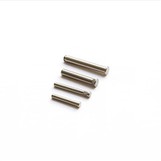
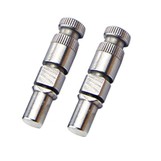
If the shaft seal is damaged or worn beyond repair, the best solution is to replace it. When replacing the seal, make sure to choose the right type and size of seal for your motor. You can find a variety of shaft seals at your local industrial supply store or online. Some of the products we offer as an AC Motor Shaft supplier include Brushless Motor Shaft, Motor Shaft SUS303 SUS304 SUS316, and DC Motor Shaft, which are designed to work well with different types of seals.
Bearing Replacement
If the bearings are damaged due to a faulty shaft seal, they will need to be replaced as well. Make sure to use high - quality bearings that are compatible with your motor.
Cleaning and Maintenance
Regular cleaning and maintenance can help prevent shaft seal problems. Keep the motor and its surroundings clean, and make sure to follow the manufacturer's recommended maintenance schedule.
Preventive Measures
To avoid shaft seal problems in the future, here are some preventive measures you can take:
- Proper Installation: Make sure that the shaft seal is installed correctly during the motor's assembly or repair. Follow the manufacturer's instructions carefully.
- Regular Inspections: Conduct regular visual inspections of the motor to look for signs of leakage or other problems. Catching issues early can prevent more serious damage.
- Use High - Quality Seals: Invest in high - quality shaft seals that are designed for your specific application. Cheaper seals may not provide the same level of performance or durability.
- Maintain Proper Lubrication: Use the correct type and amount of lubricant, and change the lubricant at the recommended intervals.
Conclusion
Troubleshooting shaft seal problems in an AC motor can be a bit of a challenge, but with the right approach, you can identify and fix the issue quickly. Remember to look for the common signs of seal problems, perform a thorough visual inspection, and follow the troubleshooting steps outlined in this blog. If you're unsure about any aspect of the troubleshooting process, don't hesitate to reach out for help.
As an AC Motor Shaft supplier, we're here to assist you with all your motor shaft and seal needs. Whether you're looking for a replacement shaft seal or a new motor shaft, we've got you covered. If you're interested in our products or have any questions about shaft seal problems, feel free to contact us for a procurement discussion. We'd love to help you keep your AC motors running smoothly.
References
- "AC Motor Maintenance and Troubleshooting Guide" by Industrial Motor Association
- "Shaft Seals: Types, Applications, and Maintenance" by Sealing Technology Journal