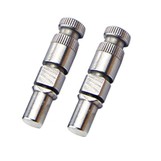
As a supplier of robot shafts, I understand the critical importance of proper cleaning methods for these components. Robot shafts play a vital role in the smooth operation of robotic systems, and keeping them clean is essential to ensure their longevity and optimal performance. In this blog post, I will discuss various cleaning methods for robot shafts, drawing on my experience in the industry.
Understanding the Importance of Cleaning Robot Shafts
Robot shafts are subjected to various stresses and contaminants during their operation. Dust, debris, lubricant residues, and even small metal particles can accumulate on the shaft surface over time. This build - up can lead to several issues. Firstly, it can increase friction between the shaft and other components, which in turn can cause excessive wear and tear. This not only shortens the lifespan of the shaft but also affects the overall precision and efficiency of the robotic system. Secondly, contaminants can corrode the shaft material, especially if the shaft is made of metals that are susceptible to rust or chemical reactions. Therefore, regular cleaning of robot shafts is a fundamental maintenance task that should not be overlooked.
Pre - cleaning Inspection
Before starting the cleaning process, it is crucial to conduct a thorough inspection of the robot shaft. Check for any visible signs of damage, such as cracks, dents, or excessive wear. These issues may require more than just cleaning and might need immediate repair or replacement. Also, note the type and amount of contaminants present on the shaft. This information will help you determine the most appropriate cleaning method.
Dry Cleaning Methods
Compressed Air Blowing
One of the simplest and most commonly used dry cleaning methods is compressed air blowing. Compressed air can effectively remove loose dust and debris from the shaft surface. To perform this method, use a compressed air gun with a suitable nozzle. Direct the air stream along the length of the shaft, starting from one end and moving to the other. Make sure to cover all areas of the shaft, including any grooves or recesses. The high - velocity air will dislodge the loose particles, which can then be collected using a vacuum cleaner or allowed to fall into a collection tray.
This method is quick and easy, but it has its limitations. It may not be sufficient to remove stubborn contaminants or lubricant residues. However, it can be a good first step in the cleaning process, especially for lightly soiled shafts.
Brushing
Brushing is another dry cleaning technique that can be used in conjunction with compressed air blowing. Use a soft - bristled brush, such as a nylon or brass brush, depending on the material of the shaft. Gently brush the shaft surface in a circular or linear motion to dislodge any remaining debris. Brushing can reach areas that compressed air may miss, such as small crevices or corners.
When using a brush, be careful not to apply too much pressure, as this could scratch the shaft surface. After brushing, use compressed air again to blow away the dislodged particles.
Wet Cleaning Methods
Solvent Cleaning
For more heavily soiled robot shafts, solvent cleaning is often necessary. Solvents can dissolve lubricant residues, grease, and other contaminants that cannot be removed by dry cleaning methods. However, it is important to choose the right solvent for the job. The solvent should be compatible with the shaft material to avoid any damage.
Common solvents used for cleaning robot shafts include isopropyl alcohol, acetone, and specialized industrial cleaning solvents. Before applying the solvent, test it on a small, inconspicuous area of the shaft to ensure there is no adverse reaction.
To clean the shaft with a solvent, soak a clean cloth or sponge in the solvent and gently wipe the shaft surface. You can also use a spray bottle to apply the solvent directly to the shaft. Make sure to cover all areas of the shaft thoroughly. After wiping, allow the solvent to evaporate completely. It is recommended to work in a well - ventilated area when using solvents, as they can be harmful if inhaled.
Ultrasonic Cleaning
Ultrasonic cleaning is a highly effective method for deep - cleaning robot shafts. This method uses high - frequency sound waves to create tiny bubbles in a cleaning solution. These bubbles implode when they come into contact with the shaft surface, creating a scrubbing action that can remove even the most stubborn contaminants.
To use ultrasonic cleaning, place the robot shaft in an ultrasonic cleaning tank filled with a suitable cleaning solution. The cleaning solution can be a water - based detergent or a specialized ultrasonic cleaning fluid. Set the appropriate cleaning time and frequency on the ultrasonic cleaner, depending on the degree of soiling.
After the cleaning cycle is complete, remove the shaft from the tank and rinse it thoroughly with clean water to remove any remaining cleaning solution. Then, dry the shaft using compressed air or a clean, lint - free cloth.

Post - cleaning Maintenance
Once the robot shaft is clean, it is important to perform some post - cleaning maintenance steps. Firstly, inspect the shaft again to ensure that all contaminants have been removed. If necessary, repeat the cleaning process.
Secondly, apply a suitable lubricant to the shaft. Lubrication helps reduce friction between the shaft and other components, which can extend the lifespan of the shaft and improve the performance of the robotic system. Choose a lubricant that is compatible with the shaft material and the operating conditions of the robot.
Finally, store the cleaned and lubricated shaft in a clean, dry environment to prevent re - contamination. If the shaft is not going to be used immediately, it can be wrapped in a protective material, such as a plastic bag or a cloth, to keep it clean.
Conclusion
Proper cleaning of robot shafts is essential for maintaining the performance and longevity of robotic systems. By using a combination of dry and wet cleaning methods, along with post - cleaning maintenance, you can ensure that your robot shafts remain in optimal condition.
As a [company's position] at a robot shaft supplier, I am committed to providing high - quality robot shafts and sharing my expertise on shaft maintenance. If you are interested in Robot Main Shaft or have any questions about robot shaft cleaning or other related topics, please feel free to contact us. We are always ready to assist you in finding the best solutions for your robotic needs. Whether you are looking to purchase new robot shafts or need advice on maintaining your existing ones, our team of experts is here to help. Reach out to us for a consultation and let's discuss how we can meet your specific requirements.
References
- "Industrial Robotics Maintenance Handbook", a comprehensive guide on the maintenance of robotic components.
- "Materials Science for Robotics", which provides insights into the properties of materials used in robot shafts and how they interact with cleaning agents.
- Industry - specific technical papers on the cleaning and maintenance of mechanical components in robotic systems.