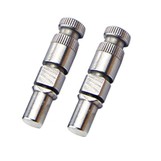
Hey there! As a supplier of AC motor shafts, I've seen my fair share of issues with shaft seals in AC motors. Shaft seals are super important in these motors as they prevent lubricants from leaking out and keep contaminants from getting in. But, they often run into problems that can affect the motor's performance. Let's dig into some of the common problems you might encounter.


1. Wear and Tear
One of the most common issues with shaft seals is plain old wear and tear. Over time, as the shaft rotates, the seal rubs against it continuously. This friction causes the seal material to gradually break down. The rate of wear depends on a few factors, like the quality of the seal material, the speed at which the shaft rotates, and the amount of pressure it's under.
For example, if you're using a low - quality seal, it's going to wear out much faster than a high - quality one. Also, if the motor runs at high speeds for long periods, the wear on the seal will be accelerated. Once the seal starts to wear, it won't be able to do its job properly. Lubricants can start to leak out, and contaminants like dust and dirt can find their way into the motor. This can lead to increased friction inside the motor, which in turn can cause overheating and even damage to other components.
2. Misalignment
Shaft misalignment is another big problem. When the motor shaft isn't properly aligned, it can put uneven pressure on the seal. This can happen during the installation process if the motor isn't set up correctly, or it can occur over time due to vibrations or other mechanical stresses.
Let's say the shaft is slightly off - center. The seal will be squeezed more on one side than the other. This uneven pressure can cause the seal to deform and lose its ability to create a tight seal. As a result, you'll end up with leaks. Misalignment can also cause premature wear on the seal, as the uneven contact increases friction in certain areas. To avoid this issue, it's crucial to ensure proper alignment during installation and regularly check for any signs of misalignment during maintenance.
3. Chemical Compatibility
The chemicals used in the motor, such as lubricants and coolants, need to be compatible with the seal material. If they're not, the chemicals can react with the seal and cause it to deteriorate. For instance, some seals are made from rubber materials that can be damaged by certain types of oils or solvents.
Imagine using a seal that's not resistant to a particular lubricant. The lubricant can seep into the seal material, causing it to swell, crack, or become brittle. Once the seal is damaged in this way, it loses its integrity, and leaks are inevitable. Before choosing a seal, it's important to know what chemicals will be present in the motor and select a seal that's compatible with them.
4. Temperature Extremes
AC motors can operate in a wide range of temperatures, and extreme temperatures can have a significant impact on shaft seals. High temperatures can cause the seal material to expand and lose its elasticity. If the temperature gets too high, the seal can even start to melt or char. On the other hand, low temperatures can make the seal material brittle and prone to cracking.
Let's take a motor that's used in a hot industrial environment. The high temperatures can cause the seal to soften and lose its ability to hold a tight seal. This can lead to leaks, especially if the motor is under pressure. In a cold climate, a brittle seal can crack easily, allowing contaminants to enter the motor. It's essential to choose a seal that can withstand the temperature range of the motor's operating environment.
5. Contamination
As I mentioned earlier, shaft seals are supposed to keep contaminants out of the motor. But sometimes, contaminants can still find their way in and cause problems. Dust, dirt, and moisture are common contaminants that can damage the seal.
Dust and dirt can get trapped between the seal and the shaft. As the shaft rotates, this abrasive material can wear down the seal. Moisture is also a big issue, especially if it contains corrosive substances. Moisture can cause rust and corrosion on the shaft and the seal, which can lead to leaks and premature failure of the seal. To prevent contamination, it's important to keep the motor environment clean and use proper filtration systems.
6. Pressure Fluctuations
AC motors can experience pressure fluctuations during operation. These fluctuations can be caused by changes in the load on the motor, or by the operation of other components in the system. When the pressure inside the motor changes, it can put stress on the shaft seal.
If the pressure suddenly increases, the seal has to withstand a greater force. If it's not designed to handle these pressure changes, it can deform or even blow out. On the other hand, a sudden drop in pressure can cause the seal to lose its contact with the shaft, allowing leaks to occur. It's important to choose a seal that can handle the expected pressure fluctuations in the motor.
Related Products
If you're also interested in other types of motor shafts, we've got you covered. Check out our DC Motor Shaft for DC motor applications. And for those looking for brushless motor solutions, our Brushless Motor Shaft is a great option. We also offer Motor Shaft SUS303 SUS304 SUS316, which are made from high - quality stainless steel.
Conclusion
Shaft seals are a critical component in AC motors, but they come with their fair share of problems. Wear and tear, misalignment, chemical incompatibility, temperature extremes, contamination, and pressure fluctuations are all common issues that can affect the performance of the seal. By being aware of these problems, you can take steps to prevent them and ensure the longevity of your AC motor.
If you're in the market for high - quality AC motor shafts or need advice on shaft seals, don't hesitate to reach out. We're here to help you find the best solutions for your motor needs. Whether it's choosing the right seal material or ensuring proper installation, we've got the expertise to support you. Contact us today to start a discussion about your procurement requirements.
References
- "Motor Handbook" by Arnold Tustin
- "Mechanical Seals: Principles and Applications" by John O. Blakey