As a supplier of small shafts, I've witnessed firsthand the critical role these components play in a wide range of industries, from motors and electronics to robotics and sensors. Understanding the deformation characteristics of small shafts under load is essential for ensuring the reliability and performance of the systems they are integrated into. In this blog post, I'll delve into the various factors that influence the deformation of small shafts and discuss how these insights can guide the design and selection of the right small shafts for your applications.
Types of Loads and Their Effects on Small Shafts
Small shafts can be subjected to different types of loads, each of which can cause distinct deformation patterns. The most common types of loads include axial loads, radial loads, and torsional loads.
Axial Loads
Axial loads act parallel to the axis of the shaft. When a small shaft is subjected to an axial load, it experiences either compression or tension. In compression, the shaft shortens, while in tension, it elongates. The magnitude of the deformation is proportional to the applied load and the length of the shaft, and inversely proportional to the cross - sectional area and the modulus of elasticity of the shaft material.
For example, in a motor application, an axial load may be exerted on the small shaft due to the thrust generated by the motor's rotor. If the axial load exceeds the shaft's capacity, excessive deformation can occur, leading to misalignment of components and potential failure of the motor.
Radial Loads
Radial loads act perpendicular to the axis of the shaft. These loads can cause the shaft to bend. The bending deformation of a small shaft is influenced by the magnitude and location of the load, the length of the shaft, and the shaft's cross - sectional properties.
In the case of small shafts used in robotics, radial loads are common when the robot arm moves and exerts forces on the shafts that support its joints. If the shaft is not designed to withstand these radial loads, it may deform and affect the accuracy and precision of the robot's movements.
Torsional Loads
Torsional loads cause the shaft to twist about its axis. When a small shaft is subjected to a torsional load, shear stresses are developed within the shaft. The amount of twist or angular deformation is related to the applied torque, the length of the shaft, the polar moment of inertia of the cross - section, and the shear modulus of the material.
For instance, in electronic devices, small shafts may be used to transfer rotational motion. Torsional loads can occur during the operation of these devices, and if the shaft cannot handle the torque, it may experience excessive twisting, which can lead to mechanical failure or reduced performance.
Material Properties and Deformation
The material of the small shaft has a significant impact on its deformation characteristics. Different materials have different mechanical properties, such as modulus of elasticity, yield strength, and ultimate strength, which determine how the shaft will respond to loads.
Stainless Steel
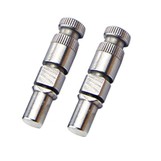
Stainless steel is a popular choice for small shafts due to its excellent corrosion resistance, high strength, and good ductility. The high modulus of elasticity of stainless steel means that it can resist deformation under load better than some other materials. For example, Stainless Steel Micro Shafts for Motors, Electronics are designed to handle the various loads encountered in these applications. The yield strength of stainless steel also ensures that the shaft can withstand a certain amount of stress without permanent deformation.
Other Materials
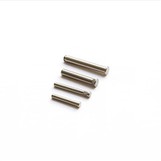
Other materials like aluminum and titanium may also be used for small shafts. Aluminum is lightweight and has a relatively low modulus of elasticity, which means it is more prone to deformation compared to stainless steel. However, its light weight can be an advantage in applications where weight is a critical factor. Titanium, on the other hand, offers high strength - to - weight ratio and good corrosion resistance, making it suitable for high - performance applications. Stainless Steel Small Shaft for Robotics, Sensors are often made with materials that can provide the right balance of strength and deformation resistance for these demanding applications.
Design Considerations to Minimize Deformation
When designing small shafts, several factors can be considered to minimize deformation under load.
Cross - Sectional Shape
The cross - sectional shape of the shaft can greatly affect its resistance to deformation. For example, a shaft with a circular cross - section is more efficient in resisting torsional loads compared to a square or rectangular cross - section. Hollow shafts can also be used to reduce weight while maintaining a high moment of inertia, which helps in resisting bending and torsional loads.
Shaft Diameter and Length
Increasing the diameter of the shaft can significantly increase its resistance to deformation. A larger diameter provides a greater cross - sectional area, which can withstand higher loads. However, increasing the diameter also increases the weight and cost of the shaft. The length of the shaft also plays a crucial role. Shorter shafts are generally stiffer and less prone to deformation compared to longer shafts.
Heat Treatment
Heat treatment can be used to improve the mechanical properties of the shaft material. For example, quenching and tempering can increase the hardness and strength of the shaft, reducing its susceptibility to deformation under load.


Importance of Understanding Deformation Characteristics for Suppliers and Customers
As a small shaft supplier, understanding the deformation characteristics of our products is crucial. It allows us to provide accurate information to our customers about the performance and limitations of our small shafts. We can help our customers select the right shaft material, design, and dimensions based on their specific load requirements.
For customers, having a good understanding of the deformation characteristics of small shafts can help them make informed decisions when purchasing these components. They can ensure that the shafts they select are suitable for their applications, reducing the risk of premature failure and costly downtime.
Conclusion
In conclusion, the deformation characteristics of small shafts under load are complex and influenced by various factors such as the type of load, material properties, and design. By understanding these factors, both suppliers and customers can make better decisions regarding the selection and use of small shafts.
If you are in need of high - quality small shafts for your applications, I encourage you to reach out to us. We have a wide range of small shafts, including Stainless Steel Micro Shafts for Motors, Electronics and Stainless Steel Small Shaft for Robotics, Sensors, and our team of experts can assist you in finding the perfect solution for your specific needs. Contact us today to start a discussion about your small shaft requirements.
References
- Shigley, J. E., & Mischke, C. R. (2001). Mechanical Engineering Design. McGraw - Hill.
- Budynas, R. G., & Nisbett, J. K. (2011). Shigley's Mechanical Engineering Design. McGraw - Hill.