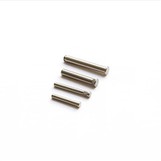
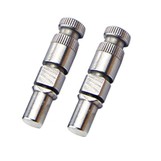
Hey there! As a rotating shaft supplier, I've seen firsthand the ins and outs of these nifty components. Rotating shafts are used in a wide range of applications, from small household appliances to large industrial machinery. They're designed to transmit torque and rotation from one part of a machine to another, and their flexibility can be a real game - changer in many scenarios. But, like everything else in the world, flexible rotating shafts also have their limitations. Let's dive in and take a closer look.
1. Torque Transmission Limitations
One of the most significant limitations of a flexible rotating shaft is its ability to transmit torque. You see, torque is the rotational force that causes an object to rotate around an axis. A flexible rotating shaft is made to bend and twist, which means its internal structure is more complex compared to a rigid shaft. This complexity can lead to power losses as the shaft tries to transfer torque.
When you apply a high - torque load to a flexible rotating shaft, the shaft can start to deform in an uncontrolled way. The outer layers of the shaft may experience more stress than the inner layers, leading to uneven torque distribution. This uneven distribution can cause premature wear and tear on the shaft, reducing its lifespan. For instance, in a high - power industrial mixer, if the flexible rotating shaft can't handle the required torque, it might start to kink or even break, bringing the whole operation to a halt.
If you're in the market for a shaft that can handle high - torque applications, you might want to check out our Precision Rotating Shaft. It's designed to provide better torque transmission in a variety of settings.
2. Speed Limitations
Another limitation is related to the speed at which a flexible rotating shaft can operate. As the shaft rotates at high speeds, centrifugal forces come into play. These forces act on the shaft's mass and can cause it to vibrate. The more flexible the shaft, the more susceptible it is to these vibrations.
Vibrations can be a real headache. They can not only cause noise but also lead to increased wear on the shaft and other components in the system. In some cases, excessive vibrations can even damage the bearings that support the shaft. For example, in a high - speed dental drill, if the flexible rotating shaft vibrates too much, it can make the drilling process uncomfortable for the patient and may also affect the precision of the dental work.
There's a maximum speed beyond which a flexible rotating shaft just won't perform well. This speed limit is determined by factors like the shaft's material, diameter, and length. So, when you're choosing a flexible rotating shaft for your high - speed application, you need to make sure it can handle the required rotational speed without excessive vibrations.
3. Temperature Limitations
Temperature can also have a big impact on the performance of a flexible rotating shaft. Most flexible shafts are made from materials like steel or other alloys, and these materials can expand or contract with changes in temperature.
In high - temperature environments, the shaft may expand, which can change its dimensions and affect its flexibility. This expansion can also increase the stress on the shaft, potentially leading to failure. On the other hand, in cold temperatures, the shaft may become more brittle, making it more likely to break under stress.
For example, in a manufacturing plant where the machinery operates in a hot environment, the flexible rotating shafts need to be able to withstand the high temperatures. If they can't, they may start to lose their flexibility and eventually fail. So, when you're selecting a flexible rotating shaft, you need to consider the temperature conditions of the operating environment.
4. Fatigue and Wear
Flexible rotating shafts are constantly subjected to bending and twisting forces as they operate. Over time, these forces can cause fatigue in the shaft material. Fatigue is the weakening of a material due to repeated loading and unloading.
As the shaft experiences fatigue, small cracks can start to form on its surface. These cracks can grow over time, eventually leading to the shaft's failure. Additionally, the contact between the shaft and other components, such as bearings or couplings, can cause wear. The wear can reduce the shaft's diameter and affect its performance.
In applications where the shaft is used frequently, like in an automotive engine's camshaft drive, fatigue and wear can be a major concern. Regular maintenance and inspection are crucial to catch any signs of fatigue or wear early on. You might also want to choose a high - quality shaft that's more resistant to these issues. Our Precision Rotating Shaft is built to be more durable and can withstand the rigors of continuous use.
5. Alignment Sensitivity
Flexible rotating shafts are more sensitive to misalignment compared to rigid shafts. Misalignment can occur when the shaft is not properly installed or when the components it connects move out of position over time.
Even a small amount of misalignment can cause additional stress on the shaft. This stress can lead to uneven wear, increased vibrations, and reduced efficiency. In some cases, severe misalignment can cause the shaft to bind or even break. For example, in a conveyor system, if the flexible rotating shaft connecting the motor and the conveyor belt is misaligned, it can cause the belt to run unevenly and may also damage the shaft.
To minimize alignment issues, proper installation and regular checks are essential. It's also important to choose a shaft that can tolerate a certain degree of misalignment.


6. Length Limitations
The length of a flexible rotating shaft can also be a limitation. As the length of the shaft increases, its flexibility becomes more difficult to control. Longer shafts are more prone to sagging under their own weight, which can affect their performance.
Sagging can cause uneven stress distribution along the shaft, leading to premature wear. It can also increase the likelihood of vibrations. In addition, longer shafts may have more difficulty transmitting torque effectively, as the power losses due to bending and twisting are more significant over a greater length.
So, when you're considering using a flexible rotating shaft, you need to carefully evaluate the required length and make sure it's within the acceptable range for your application.
Conclusion
Despite these limitations, flexible rotating shafts are still incredibly useful in many applications. They offer unique advantages, such as the ability to transmit power around corners and through tight spaces. As a rotating shaft supplier, we understand these limitations well, and we're here to help you choose the right shaft for your specific needs.
If you're facing challenges with your current rotating shaft or are looking for a new one, don't hesitate to reach out. We can work with you to find a solution that takes into account all the factors we've discussed. Whether it's torque, speed, temperature, or any other consideration, we've got the expertise to guide you.
If you're interested in our products, especially our Precision Rotating Shaft, feel free to contact us for more information. We're ready to have a detailed discussion with you about your requirements and help you make the best choice for your business.
References
- "Mechanical Design of Machine Elements and Machines: A Failure - Prevention Perspective" by Robert L. Norton
- "Shigley's Mechanical Engineering Design" by Richard G. Budynas and J. Keith Nisbett