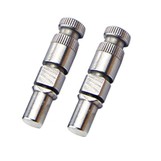
Lubrication is a critical aspect when it comes to the performance and longevity of a fixed shaft. As a trusted fixed shaft supplier, we understand the importance of proper lubrication and its impact on the overall functionality of the fixed shafts we provide. In this blog post, we will delve into the lubrication requirements for a fixed shaft, exploring the reasons behind lubrication, the types of lubricants suitable, and the best practices for lubrication.
Why Lubrication is Necessary for a Fixed Shaft
A fixed shaft, whether it is a Stainless Steel Fixed Shaft or a Precision Fixed Shaft, is often subject to various mechanical stresses during its operation. These stresses can lead to friction, wear, and heat generation, which can significantly reduce the efficiency and lifespan of the shaft. Lubrication serves several crucial purposes in mitigating these issues:
Reducing Friction
Friction is the force that resists the relative motion between two surfaces in contact. In the case of a fixed shaft, friction occurs between the shaft and its supporting bearings, as well as between the shaft and any other components it interacts with. By applying a lubricant, a thin film is created between the surfaces, separating them and reducing the direct contact. This results in a significant reduction in friction, allowing the shaft to rotate more smoothly and with less energy consumption.
Minimizing Wear
Wear is the gradual removal of material from the surfaces of the shaft and its associated components due to friction and mechanical stress. Excessive wear can lead to dimensional changes, loss of precision, and ultimately, failure of the shaft. Lubrication helps to minimize wear by providing a protective barrier between the surfaces, preventing direct metal-to-metal contact and reducing the abrasion and erosion caused by friction.
Dissipating Heat
The friction generated during the operation of a fixed shaft can also lead to heat generation. If the heat is not dissipated effectively, it can cause thermal expansion, which can affect the dimensional stability of the shaft and its components. Lubricants have the ability to absorb and transfer heat away from the contact surfaces, helping to maintain a stable operating temperature and prevent thermal damage.
Preventing Corrosion
In some applications, fixed shafts may be exposed to corrosive environments, such as moisture, chemicals, or saltwater. Lubricants can provide a protective coating on the surface of the shaft, preventing the ingress of corrosive agents and protecting the shaft from rust and corrosion.
Types of Lubricants for Fixed Shafts
There are several types of lubricants available, each with its own unique properties and suitability for different applications. The choice of lubricant depends on various factors, such as the operating conditions, the type of shaft material, and the specific requirements of the application. Here are some common types of lubricants used for fixed shafts:
Mineral Oils
Mineral oils are the most commonly used lubricants for fixed shafts. They are derived from crude oil and are available in a wide range of viscosities. Mineral oils are relatively inexpensive, have good lubricating properties, and are suitable for a variety of operating conditions. However, they may not be suitable for high-temperature or high-load applications, as they can break down and lose their lubricating properties under extreme conditions.
Synthetic Oils
Synthetic oils are artificially engineered lubricants that offer superior performance compared to mineral oils. They are designed to have specific properties, such as high thermal stability, low viscosity index, and excellent resistance to oxidation and corrosion. Synthetic oils are more expensive than mineral oils, but they are often preferred for applications that require high performance and reliability, such as high-speed, high-temperature, or high-load operations.
Greases
Greases are a semi-solid lubricant consisting of a base oil and a thickening agent. They are commonly used for applications where a lubricant needs to stay in place and provide long-term lubrication. Greases are particularly suitable for fixed shafts in applications where there is limited access for lubrication or where the shaft operates at low speeds. They offer good adhesion, sealing properties, and resistance to water and contaminants.
Solid Lubricants
Solid lubricants, such as graphite, molybdenum disulfide (MoS2), and polytetrafluoroethylene (PTFE), are used in applications where traditional liquid lubricants are not suitable. Solid lubricants can provide lubrication in high-temperature, high-pressure, or vacuum environments, where liquid lubricants may evaporate or break down. They are often used in the form of coatings or additives, applied directly to the surfaces of the shaft and its components.
Lubrication Requirements for Different Applications
The lubrication requirements for a fixed shaft can vary depending on the specific application. Here are some factors to consider when determining the lubrication requirements for different types of fixed shaft applications:
Operating Speed
The operating speed of the fixed shaft is an important factor in determining the type and viscosity of the lubricant. At high speeds, a lubricant with a lower viscosity is typically required to ensure that it can flow easily and provide adequate lubrication. On the other hand, at low speeds, a lubricant with a higher viscosity may be necessary to provide sufficient film thickness and prevent metal-to-metal contact.
Load
The load applied to the fixed shaft also affects the lubrication requirements. Higher loads require a lubricant with a higher viscosity and better load-carrying capacity to prevent the lubricant film from breaking down under the pressure. In addition, the type of load, such as static or dynamic, also needs to be considered when selecting a lubricant.
Temperature
The operating temperature of the fixed shaft can have a significant impact on the performance of the lubricant. Lubricants have different temperature ranges within which they can operate effectively. At high temperatures, a lubricant with good thermal stability is required to prevent oxidation and breakdown. At low temperatures, a lubricant with a low pour point is necessary to ensure that it remains fluid and can provide adequate lubrication.


Environment
The environment in which the fixed shaft operates can also influence the choice of lubricant. If the shaft is exposed to moisture, dust, or other contaminants, a lubricant with good sealing and anti-corrosion properties is required. In addition, if the shaft is used in a food processing or medical application, a lubricant that is compliant with relevant regulations and standards, such as NSF H1, may be necessary.
Best Practices for Lubricating Fixed Shafts
To ensure the proper lubrication of a fixed shaft, it is important to follow some best practices. Here are some tips for effective lubrication:
Choose the Right Lubricant
As discussed earlier, the choice of lubricant depends on various factors, such as the operating conditions, the type of shaft material, and the specific requirements of the application. It is important to consult with a lubrication expert or the manufacturer of the shaft to select the most suitable lubricant for your specific needs.
Apply the Lubricant Correctly
The lubricant should be applied in the right amount and at the right location. Over-lubrication can lead to excessive heat generation, leakage, and contamination, while under-lubrication can result in insufficient lubrication and premature wear. It is important to follow the manufacturer's recommendations for the proper application method and frequency of lubrication.
Monitor the Lubrication Condition
Regular monitoring of the lubrication condition is essential to ensure that the lubricant is performing effectively and that the shaft is operating within the desired parameters. This can be done by checking the lubricant level, color, and consistency, as well as by analyzing the wear debris in the lubricant. Any signs of degradation or contamination should be addressed immediately to prevent damage to the shaft and its components.
Maintain a Clean Environment
A clean environment is crucial for the proper lubrication of a fixed shaft. Dust, dirt, and other contaminants can easily enter the lubrication system and cause damage to the shaft and its components. It is important to keep the lubrication system clean and to use proper filtration to remove any contaminants from the lubricant.
Conclusion
Proper lubrication is essential for the performance and longevity of a fixed shaft. By understanding the lubrication requirements and following the best practices, you can ensure that your fixed shafts operate smoothly, efficiently, and with minimal wear and tear. As a leading fixed shaft supplier, we are committed to providing high-quality fixed shafts and offering expert advice on lubrication and maintenance. If you have any questions or need further information about the lubrication requirements for your fixed shaft applications, please do not hesitate to contact us. We look forward to discussing your needs and helping you find the best solutions for your business.
References
- "Mechanical Design Handbook," by Robert C. Juvinall and Kurt M. Marshek
- "Lubrication Fundamentals," by Howard D. Hamrock, Bernard J. Jacobson, and Steven R. Schmid
- "Handbook of Lubrication and Tribology, Volume I: Applications and Management," edited by Bhushan Bharat