Yo, fellow industry peeps! As a supplier of fixed shafts, I've been knee - deep in all things related to these crucial components. Today, I wanna chat about the noise - related issues of a fixed shaft.


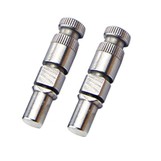
Let's start by understanding what a fixed shaft is. It's a fundamental part in many mechanical systems. Whether it's in a simple machine or a high - tech industrial setup, fixed shafts play a key role in keeping things running. You can check out our Stainless Steel Fixed Shaft and Precision Fixed Shaft on our website to get a better idea of the variety we offer.
Now, let's dig into the noise problems. Noise from a fixed shaft can be a real pain in the neck. It's not just an annoyance; it can also be a sign of underlying issues that might lead to bigger problems down the road.
One of the most common causes of noise is misalignment. When a fixed shaft isn't properly aligned, it can rub against other components in the system. This friction creates a screeching or grinding noise. Picture a car's engine. If the shafts in the transmission aren't aligned right, you'll hear this terrible racket. In industrial settings, misalignment can be due to improper installation, wear and tear over time, or even vibrations from other parts of the machine.
Another culprit is wear and tear. Fixed shafts are constantly under stress. They rotate, support loads, and interact with other parts. Over time, the surface of the shaft can start to wear down. This wear can cause uneven surfaces, which in turn lead to noise. For example, if the bearings that support the fixed shaft start to wear out, they won't hold the shaft as smoothly. This can result in a rattling or knocking sound.
Lack of lubrication is also a major factor. Lubricants are like the magic sauce for mechanical parts. They reduce friction between the shaft and other components. Without enough lubrication, the metal - to - metal contact increases, generating heat and noise. Think of it like trying to slide a heavy box across a rough floor without any help. It's gonna make a lot of noise and be really hard to move. In the case of fixed shafts, proper lubrication ensures smooth operation and reduces noise levels.
Contamination can mess things up too. Dust, dirt, and other particles can find their way into the system and get between the shaft and its supporting components. This can cause abrasion and create a gritty noise. In dirty industrial environments, this is a common issue. If the machine isn't properly sealed or if there's no effective filtration system, contaminants can easily enter and cause problems.
So, how can we deal with these noise - related issues? First off, regular maintenance is a must. This includes checking the alignment of the fixed shaft. You can use alignment tools to make sure it's in the right position. If misalignment is detected, it can be corrected by adjusting the mounting points or using shims.
Inspecting the shaft for wear is also crucial. You can use measuring tools to check the diameter and surface finish of the shaft. If significant wear is found, the shaft might need to be replaced. And don't forget about the bearings. Regularly check their condition and replace them if they're worn out.
Proper lubrication is non - negotiable. Make sure to use the right type of lubricant for the specific application. Follow the manufacturer's recommendations on the frequency of lubrication. And keep an eye on the lubricant level. If it's low, top it up.
To prevent contamination, use proper sealing and filtration systems. Make sure the machine is enclosed as much as possible to keep out dust and dirt. Install filters to trap any particles that might try to enter the system.
Now, let's talk about why it's so important to address these noise issues. For one, noise can be a safety hazard. In a noisy industrial environment, it can be difficult for workers to communicate effectively. This can lead to misunderstandings and potentially dangerous situations.
From a performance perspective, noise is often a sign of inefficiency. When a fixed shaft is making noise, it means there's extra friction and energy loss in the system. This can lead to reduced productivity and increased energy consumption.
In addition, excessive noise can also damage other components in the system. The vibrations caused by the noise can loosen bolts, break connections, and even cause cracks in nearby parts. So, taking care of the noise - related issues of fixed shafts is not just about getting rid of an annoying sound; it's about ensuring the overall health and performance of the mechanical system.
If you're facing noise problems with your fixed shafts, don't hesitate to reach out. We're here to help. As a fixed shaft supplier, we have the expertise and the products to solve these issues. Whether you need a new Stainless Steel Fixed Shaft or a Precision Fixed Shaft, we've got you covered. Let's work together to make your machines run smoothly and quietly.
References:
- "Mechanical Engineering Handbook"
- Industry reports on fixed shaft performance and maintenance