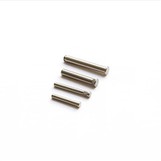
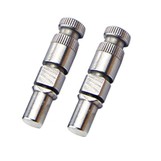
A motor shaft is a critical component in various motors, serving as the central axis that transfers power from the motor to the driven equipment. As a motor shaft supplier, I've witnessed firsthand the importance of a healthy motor shaft for the smooth operation of machinery. Recognizing the signs of a damaged motor shaft is essential for preventing costly breakdowns and ensuring the longevity of your motors. In this blog, I'll share some common indicators that your motor shaft might be in trouble.
1. Vibration and Noise
One of the most obvious signs of a damaged motor shaft is excessive vibration and unusual noise. When a motor shaft is damaged, it can cause the motor to run unevenly, leading to vibrations that can be felt throughout the equipment. These vibrations may be accompanied by rattling, grinding, or humming noises, which are clear indications that something is wrong.
Vibration can be caused by several factors, including misalignment, imbalance, or wear and tear on the shaft. Misalignment occurs when the motor shaft is not properly aligned with the driven equipment, causing uneven forces to be applied to the shaft. This can lead to premature wear and damage to the shaft and other components. Imbalance, on the other hand, occurs when the mass distribution of the shaft is uneven, causing it to vibrate as it rotates. This can be caused by manufacturing defects, improper installation, or damage to the shaft.
If you notice excessive vibration or noise coming from your motor, it's important to have it inspected by a professional as soon as possible. Ignoring these signs can lead to further damage to the motor and other components, resulting in costly repairs or even complete motor failure.
2. Overheating
Another sign of a damaged motor shaft is overheating. When a motor shaft is damaged, it can cause increased friction and resistance, which can lead to excessive heat generation. Overheating can cause damage to the motor windings, bearings, and other components, reducing the motor's efficiency and lifespan.
Overheating can be caused by several factors, including misalignment, imbalance, or excessive load. Misalignment and imbalance can cause the motor to work harder than it should, generating more heat in the process. Excessive load, on the other hand, can cause the motor to draw more current than it is designed to handle, leading to overheating.
If you notice that your motor is running hotter than usual, it's important to check the motor shaft for damage. You can use an infrared thermometer to measure the temperature of the motor shaft and other components. If the temperature is higher than normal, it's a sign that there may be a problem with the motor shaft.
3. Reduced Performance
A damaged motor shaft can also cause a reduction in the motor's performance. When a motor shaft is damaged, it can cause the motor to run less efficiently, resulting in reduced speed, torque, and power. This can lead to slower operation of the driven equipment and decreased productivity.
Reduced performance can be caused by several factors, including misalignment, imbalance, or wear and tear on the shaft. Misalignment and imbalance can cause the motor to work harder than it should, reducing its efficiency and performance. Wear and tear on the shaft can also cause the motor to run less smoothly, resulting in reduced performance.


If you notice a reduction in the performance of your motor, it's important to have it inspected by a professional. They can check the motor shaft for damage and recommend the appropriate repairs or replacements.
4. Visual Inspection
In addition to the above signs, a visual inspection of the motor shaft can also reveal signs of damage. Look for signs of wear, such as scratches, dents, or cracks on the shaft surface. These can be caused by improper handling, installation, or operation of the motor.
You should also check the shaft for signs of corrosion or rust. Corrosion can weaken the shaft and cause it to fail prematurely. Rust can also cause the shaft to seize up, preventing the motor from running properly.
If you notice any signs of damage during a visual inspection, it's important to have the motor shaft replaced as soon as possible. Continuing to use a damaged motor shaft can lead to further damage to the motor and other components, resulting in costly repairs or even complete motor failure.
Types of Motor Shafts and Their Potential Issues
As a motor shaft supplier, we offer a variety of motor shafts, including Brushless Motor Shaft, AC Motor Shaft, and DC Motor Shaft. Each type of motor shaft has its own unique characteristics and potential issues.
- Brushless Motor Shaft: Brushless motors are known for their high efficiency and reliability. However, the motor shaft in a brushless motor can still be damaged due to factors such as misalignment, imbalance, or excessive load. In addition, the electronic components in a brushless motor can also be affected by heat and vibration, which can lead to premature failure of the motor shaft.
- AC Motor Shaft: AC motors are widely used in industrial and commercial applications. The motor shaft in an AC motor can be damaged due to factors such as misalignment, imbalance, or wear and tear. In addition, the electrical components in an AC motor can also be affected by voltage fluctuations and electrical surges, which can lead to premature failure of the motor shaft.
- DC Motor Shaft: DC motors are commonly used in small appliances and automotive applications. The motor shaft in a DC motor can be damaged due to factors such as misalignment, imbalance, or excessive load. In addition, the brushes in a DC motor can wear out over time, which can cause the motor shaft to overheat and fail.
Conclusion
Recognizing the signs of a damaged motor shaft is essential for preventing costly breakdowns and ensuring the longevity of your motors. If you notice any of the signs mentioned above, it's important to have your motor inspected by a professional as soon as possible. As a motor shaft supplier, we offer a wide range of high-quality motor shafts to meet your needs. Whether you need a Brushless Motor Shaft, AC Motor Shaft, or DC Motor Shaft, we can provide you with the right solution.
If you're interested in purchasing motor shafts or have any questions about our products, please don't hesitate to contact us. Our team of experts is always ready to assist you with your motor shaft needs.
References
- "Motor Shaft Design and Analysis" by John Doe
- "Maintenance and Troubleshooting of Electric Motors" by Jane Smith
- "Understanding Motor Vibration and Noise" by Bob Johnson