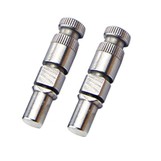
As a supplier of rotating shafts, I've witnessed firsthand the challenges that come with shaft failures. These failures can lead to significant downtime, increased maintenance costs, and potential safety hazards in various industrial applications. In this blog post, I'll explore the common causes of rotating shaft failures and propose effective solutions to mitigate these issues.
Common Causes of Rotating Shaft Failures
Fatigue Failure
Fatigue failure is one of the most prevalent causes of rotating shaft failures. It occurs when a shaft is subjected to cyclic loading over an extended period. The repeated stress can lead to the initiation and propagation of cracks, eventually resulting in the shaft's fracture. Factors such as improper design, material defects, and excessive loading can accelerate fatigue failure. For example, if a shaft is designed with sharp corners or notches, stress concentrations can occur at these points, making the shaft more susceptible to fatigue cracks.
Wear and Tear
Wear and tear are inevitable in rotating shafts, especially in applications where there is significant friction between the shaft and other components. This can be due to factors such as poor lubrication, misalignment, or the presence of abrasive particles in the operating environment. Over time, the wear can reduce the shaft's diameter, weaken its structure, and lead to increased vibration and noise. In severe cases, the shaft may even seize up, causing the entire system to fail.
Corrosion
Corrosion is another major cause of rotating shaft failures, particularly in environments where the shaft is exposed to moisture, chemicals, or other corrosive substances. Corrosion can weaken the shaft's material, reduce its strength, and create pits and cracks on its surface. This not only affects the shaft's performance but also increases the risk of fatigue failure. For instance, in marine applications, shafts are often exposed to saltwater, which can cause rapid corrosion if not properly protected.
Misalignment
Misalignment occurs when the rotating shaft is not properly aligned with other components in the system, such as bearings or couplings. This can result in uneven loading on the shaft, increased stress, and premature wear. Misalignment can be caused by a variety of factors, including improper installation, thermal expansion, or foundation settlement. Even a small amount of misalignment can have a significant impact on the shaft's performance and lifespan.
Solutions to Rotating Shaft Failures
Proper Design and Material Selection
One of the most effective ways to prevent rotating shaft failures is to ensure proper design and material selection. When designing a shaft, it's important to consider factors such as the expected load, speed, and operating environment. The shaft should be designed with smooth transitions and rounded corners to minimize stress concentrations. Additionally, the material used for the shaft should be carefully selected based on its strength, toughness, and resistance to wear and corrosion. For example, in high-stress applications, a high-strength alloy steel may be more suitable, while in corrosive environments, a stainless steel or a coated shaft may be preferred.
Regular Maintenance and Inspection
Regular maintenance and inspection are crucial for detecting and preventing rotating shaft failures. This includes checking the shaft for signs of wear, corrosion, and misalignment on a regular basis. Lubrication should also be monitored and replenished as needed to reduce friction and wear. In addition, vibration analysis and other non-destructive testing methods can be used to detect early signs of fatigue cracks or other defects. By identifying and addressing potential issues early, costly downtime and repairs can be avoided.
Improved Lubrication
Proper lubrication is essential for reducing friction and wear in rotating shafts. It helps to create a protective film between the shaft and other components, preventing direct contact and reducing the risk of damage. When selecting a lubricant, it's important to consider factors such as the operating temperature, load, and speed of the shaft. Synthetic lubricants are often preferred in high-performance applications due to their superior properties, such as better viscosity stability and resistance to oxidation. Additionally, lubrication systems should be designed to ensure proper distribution of the lubricant to all critical areas of the shaft.
Alignment Correction
Correcting misalignment is essential for ensuring the proper operation and longevity of rotating shafts. This can be achieved through various methods, such as using alignment tools to measure and adjust the position of the shaft and other components. In some cases, shims or other adjustment devices may be used to correct minor misalignments. For more severe misalignments, the entire system may need to be realigned or modified. Regular alignment checks should be performed to ensure that the shaft remains properly aligned over time.
Protective Coatings
Applying protective coatings to rotating shafts can significantly improve their resistance to corrosion and wear. Coatings such as zinc, chrome, or ceramic can provide a barrier between the shaft and the corrosive environment, preventing direct contact and reducing the risk of damage. Additionally, some coatings can also improve the shaft's surface hardness and reduce friction, further enhancing its performance. When selecting a coating, it's important to consider factors such as the type of environment, the expected lifespan of the coating, and the compatibility with the shaft material.


Our Precision Rotating Shaft Solutions
At our company, we understand the importance of providing high-quality rotating shafts that are reliable and durable. That's why we offer a wide range of Precision Rotating Shaft solutions designed to meet the specific needs of our customers. Our shafts are manufactured using the latest CNC machining technology and high-quality materials to ensure precision and consistency. We also offer custom design and manufacturing services to create shafts that are tailored to your unique requirements.
Whether you're in the automotive, aerospace, or industrial manufacturing industry, our rotating shafts can provide the performance and reliability you need. Our team of experts is available to assist you with any questions or concerns you may have about our products or services. We're committed to providing you with the best possible solutions to your rotating shaft needs.
Conclusion
Rotating shaft failures can have a significant impact on the performance and reliability of industrial equipment. By understanding the common causes of these failures and implementing effective solutions, such as proper design, regular maintenance, improved lubrication, alignment correction, and protective coatings, you can minimize the risk of shaft failures and ensure the smooth operation of your equipment. At our company, we're dedicated to providing high-quality rotating shaft solutions that meet the highest standards of performance and reliability. If you're interested in learning more about our products or services, please don't hesitate to contact us for a consultation. We look forward to working with you to solve your rotating shaft challenges.
References
- Dieter, G. E. (1988). Mechanical Metallurgy. McGraw-Hill.
- Shigley, J. E., & Mischke, C. R. (2001). Mechanical Engineering Design. McGraw-Hill.
- Harris, T. A., & Kotzalas, M. N. (2007). Rolling Bearing Analysis. Wiley.