What are the vibration levels of a normal AC motor shaft?
As a dedicated supplier of AC motor shafts, I've delved deep into the world of motor components, constantly striving to understand the nuances that make a motor run smoothly and efficiently. One of the critical aspects that often goes unnoticed but plays a pivotal role in the performance and longevity of an AC motor is the vibration level of its shaft. In this blog post, I'll share insights into what constitutes normal vibration levels for an AC motor shaft, the factors that can influence these levels, and why it matters for your motor's operation.
Understanding Vibration in AC Motor Shafts
Vibration in an AC motor shaft is a natural occurrence. When the motor is in operation, the rotation of the shaft, along with the interaction between the motor's components, generates mechanical forces that result in vibration. However, not all vibration is bad. In fact, a certain amount of vibration is normal and expected in a well - functioning motor.
Normal vibration levels are typically measured in terms of amplitude (the magnitude of the vibration) and frequency (how often the vibration occurs). For AC motor shafts, the amplitude is usually measured in millimeters per second (mm/s) or inches per second (in/s), while the frequency is measured in Hertz (Hz).
According to industry standards, a normal AC motor shaft should have a vibration amplitude in the range of 0.1 - 2.8 mm/s for general industrial applications. This range can vary depending on the size, speed, and type of the motor. For example, smaller motors with lower speeds may have lower vibration amplitudes, while larger, high - speed motors may have slightly higher amplitudes within the acceptable range.
Factors Influencing Vibration Levels
Several factors can influence the vibration levels of an AC motor shaft. Understanding these factors is crucial for diagnosing and addressing any issues that may arise.
1. Unbalance
One of the most common causes of excessive vibration in an AC motor shaft is unbalance. Unbalance occurs when the mass distribution around the shaft is not uniform. This can be due to manufacturing defects, wear and tear, or the accumulation of dirt and debris on the shaft. When the shaft is unbalanced, it creates an uneven centrifugal force as it rotates, leading to increased vibration.
2. Misalignment
Misalignment between the motor shaft and the driven equipment (such as a pump or a fan) can also cause excessive vibration. Misalignment can be either angular (the shafts are not parallel) or parallel (the shafts are not in the same line). Both types of misalignment can put additional stress on the shaft and bearings, resulting in increased vibration levels.
3. Bearing Wear
The bearings in an AC motor support the shaft and allow it to rotate smoothly. Over time, the bearings can wear out due to normal use, lack of lubrication, or contamination. Worn - out bearings can cause the shaft to vibrate more than normal, as they no longer provide the proper support and alignment.


4. Resonance
Resonance occurs when the natural frequency of the motor or its components matches the frequency of the vibration generated by the shaft. This can cause the vibration amplitude to increase significantly, potentially leading to damage to the motor and other equipment. Resonance can be difficult to detect and diagnose, as it may only occur under specific operating conditions.
Importance of Monitoring Vibration Levels
Monitoring the vibration levels of an AC motor shaft is essential for several reasons.
1. Early Detection of Problems
By regularly monitoring the vibration levels, you can detect potential problems such as unbalance, misalignment, or bearing wear at an early stage. Early detection allows you to take corrective action before the problem escalates, reducing the risk of costly breakdowns and downtime.
2. Improved Motor Performance
Maintaining normal vibration levels ensures that the motor operates efficiently and smoothly. Excessive vibration can cause additional stress on the motor components, leading to increased energy consumption, reduced motor life, and poor performance. By keeping the vibration levels within the acceptable range, you can optimize the motor's performance and extend its lifespan.
3. Safety
Excessive vibration can also pose a safety risk. High - amplitude vibrations can cause loose parts to come off, leading to potential hazards for operators and other personnel. By monitoring and controlling the vibration levels, you can ensure a safe working environment.
How We Can Help
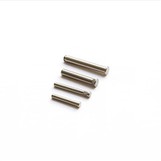
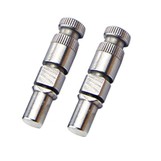
As an AC motor shaft supplier, we understand the importance of providing high - quality shafts that meet the strictest standards for vibration levels. Our Motor Shaft SUS303 SUS304 SUS316 are made from high - grade stainless steel, ensuring excellent durability and resistance to corrosion. We also offer DC Motor Shaft and Brushless Motor Shaft that are designed to provide smooth and reliable operation.
Our manufacturing process includes strict quality control measures to ensure that each shaft meets the required vibration standards. We use advanced balancing equipment to minimize unbalance and precision machining techniques to ensure proper alignment. Additionally, we offer comprehensive testing services to verify the vibration levels of our shafts before they are shipped to our customers.
If you're in the market for high - quality AC motor shafts or need assistance with understanding and managing the vibration levels of your motors, we're here to help. Our team of experts has extensive experience in the motor industry and can provide you with the guidance and support you need. Contact us today to discuss your requirements and explore how our products can meet your needs.
References
- Machinery Vibration Analysis and Monitoring Handbook, by Robert B. Randall
- Vibration Monitoring and Analysis for Rotating Machinery, by Thomas F. Beardsley
- Standards for Vibration in Rotating Machinery, published by the International Organization for Standardization (ISO)