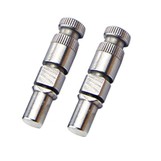
Hey there, drone enthusiasts and industry pros! I'm a supplier of Drone Pitch Shaft, and today I wanna chat about what the alignment requirement for a drone pitch shaft is.
What's a Drone Pitch Shaft?
Before we dive into the alignment stuff, let's quickly go over what a drone pitch shaft is. The pitch shaft is a crucial part of a drone's control system. It's responsible for controlling the pitch movement of the drone, which is basically the up - and - down tilt of the drone's nose. Think of it like when you're flying a plane and you pull back on the stick to make the nose go up or push forward to make it go down. That's the pitch movement, and the pitch shaft helps make that happen in a drone.
Why Alignment Matters
Alignment of the drone pitch shaft is super important. If the pitch shaft isn't properly aligned, it can lead to all sorts of problems. First off, it can mess up the drone's stability. A misaligned pitch shaft might cause the drone to tilt or wobble unexpectedly during flight. This not only makes it difficult to control but can also be dangerous, especially if you're flying in an area with people or other objects.
Secondly, improper alignment can affect the drone's performance. It can lead to increased power consumption because the motors have to work harder to compensate for the misalignment. This means shorter flight times, which is a big no - no for both hobbyists who want to enjoy longer flights and professionals who rely on drones for tasks like aerial photography or surveying.


Alignment Requirements
Mechanical Alignment
One of the key alignment requirements for a drone pitch shaft is mechanical alignment. The shaft needs to be straight and centered within its housing. Any bends or offsets in the shaft can cause issues. When installing the pitch shaft, it's essential to make sure it fits snugly into the bearings or bushings that support it. If there's too much play in the shaft, it can move around during flight, leading to misalignment.
The mounting points of the pitch shaft also need to be properly aligned. The brackets or mounts that hold the shaft in place should be level and parallel to each other. Even a small deviation in the mounting angle can cause the shaft to be misaligned. You can use tools like a spirit level to check the alignment of the mounts before installing the shaft.
Angular Alignment
Angular alignment is another important aspect. The pitch shaft needs to be at the correct angle relative to the drone's frame. This angle is typically specified by the drone manufacturer. For most drones, the pitch shaft should be perpendicular to the main body of the drone when the drone is in a level position.
To check the angular alignment, you can use a protractor or a digital angle gauge. Make sure to measure the angle at multiple points along the shaft to ensure it's consistent. If the angle is off, you may need to adjust the mounting of the shaft or the orientation of the drone's frame.
Electrical Alignment
In addition to mechanical and angular alignment, electrical alignment is also crucial. The pitch shaft is often connected to sensors and actuators that control its movement. These electrical components need to be properly calibrated and aligned with the shaft.
For example, the gyroscope and accelerometer sensors that detect the drone's pitch need to be calibrated so that they accurately measure the movement of the pitch shaft. If these sensors are misaligned or miscalibrated, they may send incorrect signals to the flight controller, which can lead to improper control of the pitch shaft.
The wiring that connects the pitch shaft to the flight controller also needs to be properly routed and secured. Loose or damaged wires can cause electrical interference, which can affect the performance of the pitch shaft.
Comparing with Other Shafts
It's worth mentioning how the alignment requirements of the Drone Pitch Shaft compare with those of other shafts in a drone, such as the Drone Yaw Shaft and the Drone Roll Shaft.
The yaw shaft controls the rotation of the drone around its vertical axis, like when you turn the steering wheel of a car. The alignment requirements for the yaw shaft are similar in terms of mechanical and electrical alignment. However, the angular alignment is different because it's related to the horizontal rotation of the drone.
The roll shaft, on the other hand, controls the side - to - side tilt of the drone. The alignment requirements for the roll shaft are also similar to those of the pitch shaft, but the orientation and the impact on the drone's movement are different.
Alignment Checks and Maintenance
Regular alignment checks are essential to ensure the pitch shaft remains in good working condition. After every few flights or after any kind of impact or repair, it's a good idea to check the alignment of the pitch shaft.
You can perform a simple visual inspection to look for any obvious signs of misalignment, such as bent shafts or loose mounts. You can also use the tools mentioned earlier to check the mechanical, angular, and electrical alignment.
If you find any issues with the alignment, it's important to address them as soon as possible. Minor alignment issues can often be fixed by adjusting the mounting of the shaft or recalibrating the sensors. However, if the shaft is severely damaged or bent, it may need to be replaced.
Conclusion
So, there you have it! The alignment requirements for a drone pitch shaft are a combination of mechanical, angular, and electrical alignment. Proper alignment is crucial for the stability, performance, and safety of the drone.
As a Drone Pitch Shaft supplier, I understand the importance of providing high - quality shafts that meet these alignment requirements. If you're in the market for a reliable pitch shaft or have any questions about alignment, don't hesitate to reach out. Whether you're a hobbyist looking to upgrade your drone or a professional in need of top - notch components, we've got you covered. Let's get your drone flying smoothly and efficiently!
References
- Drone Design and Engineering Manuals
- Online forums and communities for drone enthusiasts and professionals
- Technical documents provided by drone manufacturers