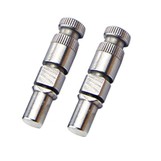
Hey there! As a robot shaft supplier, I've gotten tons of questions from folks in the industry about the differences between solid and hollow robot shafts. So, I thought I'd break it down for you in this blog post.
Let's start with the basics. A solid robot shaft, as the name suggests, is a shaft that's made up of a single, continuous piece of material. It doesn't have any empty spaces inside. On the other hand, a hollow robot shaft has a cavity running through its center.
Strength and Durability
One of the first things people usually ask about is strength. A solid robot shaft is generally stronger and more durable. It can handle a lot of stress and heavy loads without bending or breaking. This is because the solid structure distributes the load evenly across the entire shaft. For applications where the robot needs to lift or move really heavy objects, a solid shaft is often the way to go.
For example, in industrial robots that are used in automotive manufacturing to lift car parts, a solid shaft can withstand the constant pressure and weight. The solid design also makes it more resistant to wear and tear over time. You won't have to worry about it getting damaged easily, which means less downtime for repairs and replacements.
However, a hollow robot shaft isn't weak by any means. It can still handle a decent amount of load, but it's designed a bit differently. The hollow structure allows it to be lighter while still maintaining a certain level of strength. Engineers use advanced materials and design techniques to ensure that the hollow shaft can perform well under normal operating conditions.
Weight
Weight is a crucial factor, especially in robots that need to be fast and agile. A hollow robot shaft is significantly lighter than a solid one. This weight reduction can have a huge impact on the overall performance of the robot. With a lighter shaft, the robot can move more quickly and use less energy.
Think about a robotic arm in a warehouse that needs to pick and place items rapidly. A hollow shaft would make the arm more responsive and efficient. The reduced weight also puts less strain on the motor and other components of the robot, which can extend their lifespan.
On the other hand, the extra weight of a solid shaft can be an advantage in some cases. In robots that need to be stable, like those used in precision machining, the added weight can help keep the robot steady and prevent vibrations. The solid shaft acts as a counterbalance, ensuring that the robot can perform accurate and consistent operations.
Cost
Cost is always a consideration when choosing between a solid and hollow robot shaft. Generally, a solid robot shaft is more expensive to manufacture. This is because it requires more raw material and often more complex machining processes. The higher cost is then passed on to the customer.
However, you have to look at the long - term benefits. If the application requires a high - strength, durable shaft, the extra cost of a solid shaft might be worth it. You'll save money in the long run by avoiding frequent repairs and replacements.
A hollow robot shaft, on the other hand, is usually more cost - effective. The reduced amount of material and simpler manufacturing processes make it cheaper to produce. This can be a great option for budget - conscious customers or for applications where the load requirements aren't extremely high.
Heat Dissipation
Heat can be a problem in robots, especially during long - term operation. A solid robot shaft can conduct heat better than a hollow one. The solid material provides a continuous path for heat to travel through, allowing it to dissipate more easily. This is important in applications where the robot generates a lot of heat, such as in high - speed robotic drills.
A hollow robot shaft, due to its internal cavity, may have some challenges with heat dissipation. However, engineers can design cooling channels or use special coatings to help manage the heat. In some cases, the lighter weight of the hollow shaft can also reduce the amount of heat generated in the first place.
Flexibility
Flexibility can be a factor depending on the application. A solid robot shaft is generally less flexible. It's designed to be rigid and maintain its shape under stress. This is great for applications where precise movement and stability are required.
A hollow robot shaft, on the other hand, can be more flexible. This flexibility can be an advantage in some robotic applications, such as those that require the shaft to bend slightly to reach different positions. For example, in a robotic snake - like device used for inspection in tight spaces, the flexibility of a hollow shaft can be very useful.

Applications
The choice between a solid and hollow robot shaft really depends on the application. For heavy - duty industrial applications like large - scale manufacturing, construction, or mining, a solid shaft is often preferred. These applications require high strength and durability to handle the tough working conditions.
In industries like electronics manufacturing, where precision and speed are key, a hollow shaft might be a better option. The lighter weight allows for faster movement, and the flexibility can be useful in reaching small and hard - to - access components.
If you're interested in learning more about the Robot Main Shaft, it's a great resource that can give you more in - depth information about different types of robot shafts.
Conclusion
So, to sum it up, both solid and hollow robot shafts have their own advantages and disadvantages. When choosing between the two, you need to consider factors like strength, weight, cost, heat dissipation, flexibility, and the specific application.
As a robot shaft supplier, I'm here to help you make the right choice. Whether you need a high - strength solid shaft for heavy - duty applications or a lightweight hollow shaft for fast and agile robots, I've got you covered. If you're in the market for robot shafts and want to discuss your requirements, feel free to reach out. We can have a chat about what will work best for your project.
References
- "Robotics: Design, Construction, and Programming" by Joseph F. Engelberger
- "Industrial Robotics: Technology, Programming, and Applications" by Peter W. Sheffer