Hey there! As a robot shaft supplier, I've been getting a lot of questions lately about what a robot shaft actually does. So, I thought I'd take a few minutes to break it down for you and explain the functions of these crucial components.
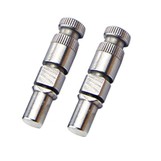
Let's start with the basics. A robot shaft is a long, cylindrical part that's used in robots to transfer power, motion, or torque from one part of the robot to another. It's like the backbone of the robot, providing support and allowing different parts to work together smoothly.
One of the primary functions of a robot shaft is to transmit power. In a robot, there are usually multiple motors that generate power. The robot shaft connects these motors to the various moving parts of the robot, such as joints, arms, or wheels. For example, in an industrial robot that's used for welding, the motor might be located at the base of the robot. The robot shaft will then transfer the power from this motor to the welding arm, enabling it to move and perform the welding task accurately. Without the shaft, the power generated by the motor wouldn't be able to reach the necessary parts, and the robot wouldn't be able to function.
Another important function is to transfer motion. Robots need to move in a precise and coordinated manner. The shaft helps in achieving this by translating the rotational motion of the motor into linear or angular motion of the robot's components. For instance, in a robotic arm, the shaft can convert the circular motion of the motor into the up - and - down or side - to - side movement of the arm. This is essential for tasks like picking and placing objects, where the robot needs to move with high precision.
Torque transmission is also a key function of a robot shaft. Torque is the measure of the force that causes an object to rotate. In a robot, different parts require different amounts of torque to operate effectively. The shaft can transmit the appropriate amount of torque from the motor to the specific part of the robot. For example, in a heavy - duty robot that's used for lifting large objects, the shaft needs to be able to transfer a high amount of torque from the motor to the lifting mechanism.
Now, let's talk about the different types of robot shafts and how their functions can vary. One common type is the Robot Main Shaft. This is usually the central shaft in a robot that connects the major components. It plays a critical role in providing overall stability and support to the robot. The main shaft is often designed to handle high loads and transmit large amounts of power and torque. It's like the main artery in the robot's power - transmission system.
There are also secondary shafts in a robot. These shafts are connected to the main shaft and are responsible for transferring power and motion to smaller or more specialized components. For example, in a robot with multiple joints, each joint might have its own secondary shaft that helps in the smooth movement of that particular joint.
The material of the robot shaft is also an important factor that affects its function. Most robot shafts are made from high - strength metals like steel or aluminum. Steel shafts are known for their high strength and durability, which makes them suitable for heavy - duty robots that need to handle large loads. Aluminum shafts, on the other hand, are lighter in weight, which can be beneficial for robots that require high - speed movement. The choice of material depends on the specific requirements of the robot, such as the load it needs to carry, the speed of operation, and the environment in which it will be used.
In addition to power, motion, and torque transmission, robot shafts also need to be able to withstand wear and tear. Robots often operate in harsh environments, and the shafts are subjected to constant friction, vibration, and stress. To ensure long - term performance, the shafts are usually treated with special coatings or heat - treated processes. These treatments can increase the hardness of the shaft surface, reduce friction, and prevent corrosion.
Maintenance of robot shafts is also crucial for their proper function. Regular inspection of the shafts can help detect any signs of wear, damage, or misalignment. If a shaft is worn out or damaged, it can cause the robot to malfunction, leading to decreased productivity and increased downtime. Simple maintenance tasks like lubrication can also extend the life of the shaft and keep the robot running smoothly.
Now, you might be wondering why it's important to choose the right robot shaft supplier. Well, a good supplier will not only provide high - quality shafts but also offer technical support and customization options. At our company, we understand that every robot has unique requirements. That's why we offer a wide range of robot shafts in different sizes, materials, and designs. Whether you need a Robot Main Shaft for a large industrial robot or a small secondary shaft for a precision - oriented robot, we've got you covered.
We also have a team of experts who can help you select the right shaft for your specific application. They can analyze your robot's requirements, such as the power, torque, and speed, and recommend the most suitable shaft. And if you have any special requirements, we can customize the shaft to meet your exact needs.
In conclusion, robot shafts are essential components in robots that perform a variety of functions, including power transmission, motion transfer, and torque transmission. The type of shaft, its material, and proper maintenance all play important roles in ensuring the efficient operation of the robot. If you're in the market for high - quality robot shafts, don't hesitate to reach out to us. We're here to help you find the perfect solution for your robot. Whether you're a small - scale manufacturer or a large industrial company, we can provide you with the shafts you need to keep your robots running at their best. Contact us today to start a conversation about your robot shaft requirements, and let's work together to make your robots more efficient and reliable.
References

- "Robotics: Modelling, Planning and Control" by Bruno Siciliano, Lorenzo Sciavicco, Luigi Villani, and Giuseppe Oriolo
- "Introduction to Robotics: Mechanics and Control" by John J. Craig