As a motor shaft supplier, I often get asked about the heat treatment process for motor shafts. Heat treatment is a crucial step in the manufacturing of motor shafts as it significantly enhances their mechanical properties, ensuring optimal performance and durability in various applications. In this blog post, I'll delve into the details of the heat treatment process for motor shafts, explaining its importance, the different types of heat treatments used, and how they benefit the final product.
Importance of Heat Treatment for Motor Shafts
Motor shafts are subjected to high levels of stress, including torque, bending, and fatigue, during operation. Without proper heat treatment, these shafts may not be able to withstand these stresses, leading to premature failure and costly downtime. Heat treatment helps to improve the hardness, strength, toughness, and wear resistance of the motor shaft, making it more reliable and long-lasting.
Types of Heat Treatment Processes for Motor Shafts
There are several types of heat treatment processes that can be used for motor shafts, each with its own unique benefits and applications. The most common heat treatment processes for motor shafts include annealing, normalizing, quenching, and tempering.
Annealing
Annealing is a heat treatment process that involves heating the motor shaft to a specific temperature and then cooling it slowly. This process helps to relieve internal stresses, improve machinability, and refine the grain structure of the material. There are different types of annealing processes, including full annealing, stress relief annealing, and spheroidizing annealing.
Full annealing is typically used for materials that require maximum softness and ductility. The motor shaft is heated to a temperature above the critical range and then cooled slowly in the furnace. This process helps to eliminate internal stresses and refine the grain structure, resulting in a softer and more machinable material.
Stress relief annealing is used to relieve internal stresses that may have been introduced during manufacturing processes such as machining, welding, or forging. The motor shaft is heated to a temperature below the critical range and then held at that temperature for a specific period of time before being cooled slowly. This process helps to reduce the risk of distortion and cracking during subsequent machining or heat treatment operations.
Spheroidizing annealing is used for materials that require improved machinability and wear resistance. The motor shaft is heated to a temperature just below the critical range and then held at that temperature for a specific period of time before being cooled slowly. This process helps to transform the carbide particles in the material into a spherical shape, which improves machinability and wear resistance.
Normalizing
Normalizing is a heat treatment process that involves heating the motor shaft to a specific temperature above the critical range and then cooling it in air. This process helps to refine the grain structure, improve the mechanical properties, and make the material more uniform. Normalizing is often used as a preliminary heat treatment before quenching and tempering to ensure better results.
Quenching
Quenching is a heat treatment process that involves heating the motor shaft to a specific temperature above the critical range and then cooling it rapidly in a quenching medium such as oil, water, or polymer. This process helps to harden the material by transforming the austenite structure into martensite, a very hard and brittle phase. Quenching is often used in combination with tempering to achieve the desired hardness and toughness.
However, quenching can also introduce internal stresses and cause distortion and cracking in the motor shaft. To minimize these risks, it's important to control the quenching process carefully, including the heating rate, quenching temperature, and quenching medium.
Tempering
Tempering is a heat treatment process that involves heating the quenched motor shaft to a specific temperature below the critical range and then holding it at that temperature for a specific period of time before cooling it slowly. This process helps to relieve the internal stresses introduced during quenching, reduce the brittleness of the martensite phase, and improve the toughness and ductility of the material.
Tempering is often used in combination with quenching to achieve the desired balance of hardness, strength, and toughness. The tempering temperature and time depend on the material and the desired properties of the motor shaft.


Benefits of Heat Treatment for Motor Shafts
The heat treatment process offers several benefits for motor shafts, including:
- Improved Hardness and Strength: Heat treatment helps to increase the hardness and strength of the motor shaft, making it more resistant to wear, deformation, and fatigue.
- Enhanced Toughness and Ductility: Tempering after quenching helps to improve the toughness and ductility of the motor shaft, reducing the risk of brittle fracture.
- Better Machinability: Annealing and normalizing processes help to improve the machinability of the motor shaft, making it easier to machine and form into the desired shape.
- Increased Wear Resistance: Heat treatment can improve the wear resistance of the motor shaft, extending its service life and reducing maintenance costs.
- Improved Dimensional Stability: Heat treatment helps to relieve internal stresses and reduce the risk of distortion and cracking, ensuring better dimensional stability of the motor shaft.
Applications of Heat-Treated Motor Shafts
Heat-treated motor shafts are used in a wide range of applications, including:
- Automotive Industry: Motor shafts are used in various automotive components such as engines, transmissions, and electric motors. Heat treatment helps to ensure the reliability and performance of these components in demanding automotive applications.
- Industrial Machinery: Motor shafts are used in industrial machinery such as pumps, compressors, and conveyors. Heat treatment helps to improve the durability and efficiency of these machines, reducing downtime and maintenance costs.
- Aerospace Industry: Motor shafts are used in aerospace applications such as aircraft engines and actuators. Heat treatment helps to meet the high-performance requirements of these applications, ensuring safety and reliability.
- Power Generation: Motor shafts are used in power generation equipment such as generators and turbines. Heat treatment helps to improve the efficiency and reliability of these equipment, ensuring continuous power supply.
Our Motor Shaft Products
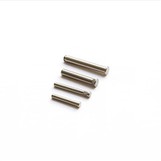
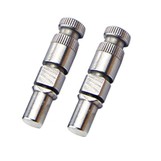
At our company, we offer a wide range of motor shafts, including Motor Shaft SUS303 SUS304 SUS316, DC Motor Shaft, and Brushless Motor Shaft. Our motor shafts are made from high-quality materials and undergo a rigorous heat treatment process to ensure optimal performance and durability.
We have a team of experienced engineers and technicians who can work with you to understand your specific requirements and provide customized solutions. Whether you need a standard motor shaft or a custom-designed one, we can meet your needs.
Contact Us for Procurement and Negotiation
If you're interested in our motor shaft products or have any questions about the heat treatment process, please don't hesitate to contact us. We're always happy to discuss your requirements and provide you with more information. Our team is committed to providing you with the best products and services, and we look forward to working with you.
References
- ASM Handbook, Volume 4: Heat Treating, ASM International.
- Metals Handbook Desk Edition, Third Edition, ASM International.
- Heat Treating: A Practical Guide, Robert A. Grange, ASM International.