As a drone shaft supplier, I've witnessed firsthand the evolving relationship between drone shafts and battery life. In this blog, I'll delve into the science behind how drone shafts can impact battery life, explore the different types of shafts, and offer insights for drone enthusiasts and professionals alike.
Understanding the Basics of Drone Shafts
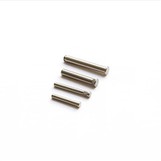
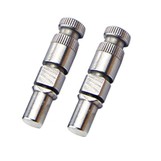
Before we discuss the impact on battery life, let's understand what drone shafts are and their role in a drone's operation. Drone shafts are essential components that transfer power from the motors to the propellers, enabling the drone to move in different directions. There are three main types of drone shafts: Drone Roll Shaft, Drone Pitch Shaft, and Drone Yaw Shaft.
The roll shaft controls the drone's movement from side to side, similar to how an airplane banks. The pitch shaft is responsible for the forward and backward movement, allowing the drone to ascend or descend. The yaw shaft enables the drone to rotate around its vertical axis, changing its direction without moving forward or backward.
How Drone Shafts Affect Battery Life
The impact of drone shafts on battery life can be significant, and it's crucial to understand the factors at play.
1. Material and Weight
The material used in the construction of drone shafts can greatly affect the overall weight of the drone. Heavier shafts require more power to move, which in turn drains the battery faster. For example, shafts made from high - strength steel may be more durable but are also heavier compared to those made from lightweight carbon fiber. As a drone takes off and maneuvers, the motors have to work harder to lift and move the heavier components, consuming more energy from the battery.
2. Friction and Resistance
Friction and resistance within the shaft mechanism can also impact battery life. When there is excessive friction between the shaft and its bearings or other components, the motors have to exert more force to rotate the shaft. This additional force requires more electrical power, leading to increased battery consumption. High - quality shafts with smooth surfaces and well - lubricated bearings can minimize friction, reducing the energy needed for operation.
3. Design and Aerodynamics
The design of the drone shaft can influence the aerodynamics of the entire drone. A well - designed shaft can reduce air resistance during flight, allowing the drone to move more efficiently. For instance, shafts with streamlined shapes can cut through the air more easily, requiring less power from the motors. On the other hand, poorly designed shafts may create turbulence, increasing drag and forcing the motors to work harder, thus draining the battery more quickly.
4. Precision and Balance
Precision and balance are crucial for the efficient operation of drone shafts. If a shaft is not properly balanced, it can cause vibrations during flight. These vibrations not only affect the stability of the drone but also increase the load on the motors. The motors have to compensate for the imbalance by using more power, which shortens the battery life. High - precision manufacturing processes ensure that the shafts are perfectly balanced, reducing the energy consumption of the motors.
Case Studies: Real - World Impact
To illustrate the impact of drone shafts on battery life, let's look at a few case studies.
Case Study 1: Comparing Different Shaft Materials
A group of drone enthusiasts conducted an experiment using two identical drones, except for the shaft material. One drone was equipped with steel shafts, while the other had carbon fiber shafts. The drone with steel shafts had a flight time of approximately 10 minutes, while the one with carbon fiber shafts flew for about 13 minutes. The lighter carbon fiber shafts reduced the overall weight of the drone, allowing the motors to use less energy for lift and movement, resulting in a longer battery life.
Case Study 2: Impact of Friction
In another experiment, a drone was tested with standard shafts and then with shafts that had been upgraded with low - friction bearings. The standard shafts had a relatively high level of friction, causing the motors to work harder. After the upgrade, the drone's flight time increased by about 15%. The reduced friction allowed the motors to operate more efficiently, consuming less power from the battery.
Optimizing Battery Life with the Right Drone Shafts
As a drone shaft supplier, we offer a range of products designed to optimize battery life.
1. Lightweight Materials
We provide shafts made from lightweight materials such as carbon fiber. These shafts offer excellent strength - to - weight ratios, reducing the overall weight of the drone and minimizing the energy required for flight. Our carbon fiber shafts are carefully engineered to maintain high levels of durability while keeping the weight to a minimum.
2. Low - Friction Technology
Our shafts are designed with low - friction features to reduce energy consumption. We use high - quality bearings and smooth surface finishes to minimize the resistance within the shaft mechanism. This ensures that the motors can operate more efficiently, extending the battery life of the drone.
3. Aerodynamic Design
Our R & D team focuses on developing shafts with aerodynamic designs. By reducing air resistance, these shafts allow the drone to move through the air more smoothly, requiring less power from the motors. The result is a more energy - efficient flight and longer battery life.
4. Precision Manufacturing
We employ advanced manufacturing techniques to ensure the precision and balance of our shafts. Every shaft undergoes rigorous quality control checks to guarantee that it meets the highest standards of balance and alignment. This precision reduces vibrations and minimizes the load on the motors, contributing to extended battery life.
Conclusion and Call to Action
In conclusion, the choice of drone shafts can have a profound impact on the battery life of a drone. By considering factors such as material, friction, design, and precision, drone owners can make informed decisions to optimize their drone's performance and extend battery life.
As a leading drone shaft supplier, we are committed to providing high - quality products that meet the needs of our customers. Whether you are a hobbyist looking to enhance your drone's flight time or a professional in the drone industry, our range of Drone Roll Shaft, Drone Pitch Shaft, and Drone Yaw Shaft can offer the solutions you need.


If you are interested in learning more about our products or have specific requirements for your drone, please feel free to contact us. We look forward to discussing your needs and helping you find the perfect drone shafts for your application.
References
- "Drone Technology and Applications" - A comprehensive guide on drone components and their functions.
- "Aerodynamics of Unmanned Aerial Vehicles" - Research on the impact of design on drone performance.
- "Battery Management in Drones" - Studies on factors affecting battery life in drones.