What is the load capacity of a hard chrome shaft?
As a supplier of hard chrome shafts, I often get asked about the load capacity of these essential components. Understanding the load capacity of a hard chrome shaft is crucial for engineers, designers, and anyone involved in machinery and equipment manufacturing. In this blog post, I'll delve into the factors that determine the load capacity of a hard chrome shaft, and why it matters in various applications.
What is a Hard Chrome Shaft?
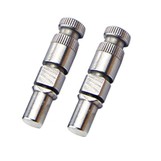
Before we discuss load capacity, let's briefly review what a hard chrome shaft is. A hard chrome shaft is a precision-engineered component typically made from high-quality steel. The shaft is then coated with a layer of hard chrome, which provides several benefits. The chrome coating enhances the shaft's hardness, wear resistance, corrosion resistance, and surface finish. These properties make hard chrome shafts ideal for use in a wide range of applications, including linear motion systems, hydraulic cylinders, and industrial machinery.
Factors Affecting Load Capacity
The load capacity of a hard chrome shaft is influenced by several key factors. Understanding these factors is essential for selecting the right shaft for your specific application.
Shaft Material
The material of the shaft plays a significant role in determining its load capacity. High-strength steels are commonly used for hard chrome shafts due to their excellent mechanical properties. Steels with high tensile strength and yield strength can withstand higher loads without deforming or failing. For example, alloy steels such as 4140 or 4340 are often used in applications where high load capacity is required.
Shaft Diameter
The diameter of the shaft is another critical factor. A larger diameter shaft generally has a higher load capacity than a smaller diameter shaft. This is because a larger diameter provides more cross-sectional area, which can distribute the load more effectively. When designing a system, it's important to choose a shaft diameter that can handle the expected loads without exceeding the material's strength limits.
Chrome Coating Thickness
The thickness of the hard chrome coating can also affect the load capacity of the shaft. A thicker coating can provide additional protection and increase the surface hardness of the shaft. However, it's important to note that the coating thickness should be carefully controlled to ensure that it doesn't cause issues such as cracking or peeling under load. In general, a coating thickness of 0.0005 to 0.002 inches is common for hard chrome shafts.
Surface Finish
The surface finish of the shaft can impact its load capacity. A smooth surface finish reduces friction and wear, which can help to extend the life of the shaft and improve its load-carrying ability. Hard chrome shafts are typically polished to a high surface finish, which helps to minimize surface irregularities and improve the distribution of loads.
Lubrication
Proper lubrication is essential for maintaining the load capacity of a hard chrome shaft. Lubricants help to reduce friction and wear between the shaft and other components, such as bearings or bushings. They also help to dissipate heat, which can prevent overheating and damage to the shaft. Choosing the right lubricant for your application is crucial, as different lubricants have different properties and are suitable for different operating conditions.
Calculating Load Capacity
Calculating the load capacity of a hard chrome shaft is a complex process that requires a thorough understanding of the factors mentioned above. In general, the load capacity of a shaft can be determined by considering the following:
Static Load Capacity
The static load capacity refers to the maximum load that a shaft can withstand without permanent deformation. This is typically calculated based on the material's yield strength and the cross-sectional area of the shaft. Engineers use mathematical formulas and design standards to calculate the static load capacity of a shaft.
Dynamic Load Capacity
The dynamic load capacity takes into account the loads that the shaft will experience during operation, including vibrations, shocks, and cyclic loading. Dynamic load capacity calculations are more complex than static load capacity calculations, as they need to consider factors such as the frequency and amplitude of the loads, as well as the fatigue life of the shaft.
Applications and Load Requirements
Hard chrome shafts are used in a wide variety of applications, each with its own unique load requirements. Here are some common applications and the load considerations for each:
Linear Motion Systems
In linear motion systems, such as conveyor belts, robotic arms, and machine tools, hard chrome shafts are used to provide smooth and precise linear movement. The load capacity requirements in these applications depend on factors such as the weight of the moving parts, the speed of the movement, and the acceleration and deceleration forces. For example, in a high-speed conveyor system, the shaft needs to be able to handle the dynamic loads generated by the rapid movement of the conveyor belt.

Hydraulic Cylinders
Hydraulic cylinders are used in many industrial and mobile applications, such as construction equipment, agricultural machinery, and automotive systems. The load capacity of the hard chrome shaft in a hydraulic cylinder is critical, as it needs to withstand the high pressures and forces generated by the hydraulic fluid. The shaft must be able to handle the axial loads and side loads without bending or failing.
Industrial Machinery
In industrial machinery, hard chrome shafts are used in various components, such as gears, pulleys, and couplings. The load capacity requirements in these applications depend on the type of machinery and the specific function of the shaft. For example, in a heavy-duty gearbox, the shaft needs to be able to transmit high torque loads without experiencing excessive wear or fatigue.
Importance of Choosing the Right Shaft
Choosing the right hard chrome shaft with the appropriate load capacity is crucial for the performance and reliability of your equipment. Using a shaft with a load capacity that is too low can lead to premature failure, increased maintenance costs, and downtime. On the other hand, using a shaft with a load capacity that is significantly higher than necessary can result in unnecessary costs and a heavier and bulkier design.
When selecting a hard chrome shaft, it's important to work with a reputable supplier who can provide expert advice and guidance. A good supplier will be able to help you choose the right shaft material, diameter, coating thickness, and surface finish based on your specific application requirements. They will also be able to provide you with accurate load capacity calculations and ensure that the shaft meets all relevant industry standards and specifications.
Our Offerings as a Supplier
As a hard chrome shaft supplier, we offer a wide range of high-quality hard chrome shafts to meet the diverse needs of our customers. Our shafts are made from premium materials and are coated with a durable hard chrome layer to provide excellent wear resistance and corrosion protection. We have a team of experienced engineers and technicians who can assist you in selecting the right shaft for your application and provide you with detailed load capacity calculations.
We also offer custom manufacturing services, allowing us to produce hard chrome shafts with specific dimensions, coatings, and surface finishes to meet your exact requirements. Whether you need a standard shaft or a custom-designed solution, we have the expertise and capabilities to deliver.
If you're interested in learning more about our Hard Chrome Linear Shaft offerings or have questions about load capacity and shaft selection, please don't hesitate to contact us. We're here to help you make the right choice for your machinery and equipment.
Conclusion
The load capacity of a hard chrome shaft is a critical factor that needs to be carefully considered in any application. By understanding the factors that affect load capacity, calculating the load requirements accurately, and choosing the right shaft for your application, you can ensure the performance, reliability, and longevity of your equipment. As a supplier of hard chrome shafts, we're committed to providing our customers with the highest quality products and the expertise needed to select the right shaft for their specific needs. If you have any questions or need assistance with your hard chrome shaft requirements, please reach out to us. We look forward to working with you to find the best solution for your application.
References
- Machinery's Handbook, 31st Edition
- Design of Machine Elements, 7th Edition by Robert L. Norton
- ASME Standards for Shaft Design