Hey there! As a supplier of hard chrome shafts, I often get asked about the rotational speed limit of these nifty components. So, I thought I'd take a deep dive into this topic and share what I've learned over the years in the industry.

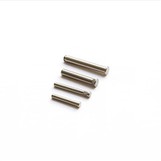
First off, let's understand what a hard chrome shaft is. A Hard Chrome Linear Shaft is a type of shaft that has been coated with a layer of hard chrome. This coating not only provides excellent corrosion resistance but also enhances the wear resistance of the shaft. It's commonly used in various applications, such as in machinery, automotive, and even in some high - tech equipment.
Now, the rotational speed limit of a hard chrome shaft isn't a one - size - fits - all kind of thing. It depends on several factors. One of the most crucial factors is the material of the shaft itself. The base material of the shaft can have a significant impact on how fast it can rotate. For example, if the shaft is made of a high - strength alloy steel, it can generally handle higher rotational speeds compared to a shaft made of a softer material.
Another important factor is the diameter of the shaft. Generally speaking, larger diameter shafts can handle lower rotational speeds. This is because as the diameter increases, the centrifugal forces acting on the shaft also increase. These centrifugal forces can cause stress on the shaft, and if the rotational speed is too high, it can lead to deformation or even failure of the shaft.
The length of the shaft also plays a role. Longer shafts are more prone to vibration, especially at high rotational speeds. Vibration can cause premature wear of the shaft and its supporting components, and in extreme cases, it can lead to catastrophic failure. So, when determining the rotational speed limit, the length - to - diameter ratio of the shaft needs to be taken into account.
The quality of the hard chrome coating is yet another factor. A well - applied and high - quality hard chrome coating can reduce friction and wear, allowing the shaft to rotate more smoothly and potentially at higher speeds. However, if the coating has defects or is unevenly applied, it can cause imbalances, which can lead to problems at high speeds.
Let's talk about the bearings supporting the hard chrome shaft. The type and quality of the bearings are critical. High - performance bearings can handle higher rotational speeds and provide better support for the shaft. For example, angular contact ball bearings are often used in applications where high - speed rotation is required because they can handle both radial and axial loads effectively.
The lubrication of the shaft and its bearings is also essential. Proper lubrication reduces friction and heat generation, which are major factors that can limit the rotational speed of the shaft. If the lubrication is inadequate, the temperature of the shaft and bearings can rise rapidly, leading to premature wear and failure.
In addition to these mechanical factors, the operating environment also matters. If the shaft is operating in a dirty or dusty environment, the contaminants can get into the bearings and cause damage. High - humidity environments can also lead to corrosion of the shaft and its components, which can affect its performance and rotational speed limit.
So, how do we determine the actual rotational speed limit for a specific hard chrome shaft? Well, there are some general guidelines and standards in the industry. Many manufacturers provide technical specifications for their shafts, which include the maximum recommended rotational speed. These specifications are usually based on extensive testing and research.
However, in real - world applications, it's often necessary to conduct on - site testing. This can involve gradually increasing the rotational speed while monitoring the shaft's performance, such as vibration levels, temperature, and noise. By doing this, we can find the optimal rotational speed for a particular application.
It's also important to note that safety should always be a top priority. Even if a shaft can technically handle a certain rotational speed, it's often advisable to operate it at a slightly lower speed to ensure a margin of safety. This can help prevent unexpected failures and reduce the risk of accidents.
As a hard chrome shaft supplier, I understand the importance of providing our customers with accurate information about the rotational speed limit of our products. We work closely with our customers to understand their specific requirements and applications. We can provide customized solutions based on their needs, whether it's a shaft with a specific diameter, length, or coating quality.
If you're in the market for a hard chrome shaft and have questions about the rotational speed limit or any other aspect of our products, don't hesitate to reach out. We're here to help you make the right choice for your application. Whether you're a small - scale manufacturer or a large - scale industrial operation, we have the expertise and the products to meet your needs.
Contact us today to start a conversation about your hard chrome shaft requirements. We can discuss your application in detail, provide you with technical support, and offer competitive pricing. Let's work together to find the perfect hard chrome shaft solution for you.
References:
- Industry standards and guidelines for mechanical components
- Technical literature from bearing manufacturers
- Research papers on shaft design and performance