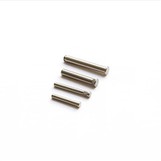
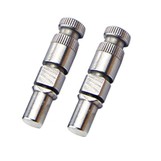
Hey there! As a supplier of Drone Yaw Shaft, I often get asked about the wear rate of these crucial components. So, I thought I'd take some time to break it down for you in this blog post.
First off, let's understand what the drone yaw shaft does. In simple terms, the yaw shaft is responsible for the side - to - side rotation of a drone. It's like the steering wheel for the horizontal turning of the drone. Without a well - functioning yaw shaft, a drone wouldn't be able to change its direction accurately, which is super important for tasks like aerial photography, surveying, and delivery.
Now, the wear rate of a drone yaw shaft is influenced by several factors. One of the main factors is the material of the shaft. We use high - quality materials in our Drone Yaw Shaft production. Different materials have different levels of hardness, toughness, and resistance to abrasion. For example, shafts made from hardened steel tend to have a lower wear rate compared to those made from softer metals. Hardened steel can withstand more friction and stress without getting worn down quickly.
Another significant factor is the operating environment. Drones can fly in all sorts of conditions, from dusty deserts to humid rainforests. In a dusty environment, tiny particles can get into the moving parts of the yaw shaft and act like sandpaper, increasing the wear rate. On the other hand, high humidity can cause corrosion, which also degrades the shaft over time.
The frequency and intensity of use also play a big role. If a drone is used for long - duration flights or performs a lot of sharp turns, the yaw shaft will experience more stress. This means it'll wear out faster compared to a drone that's only used occasionally for short, gentle flights.


Let's talk about how we measure the wear rate. There are a few ways to do this. One common method is to measure the change in the dimensions of the shaft over time. We can use precision measuring tools like micrometers to check if the shaft is getting thinner or if the diameter is changing. Another way is to monitor the performance of the drone. If the yaw movement becomes less smooth or if there's an increase in vibration, it could be a sign that the yaw shaft is wearing out.
We've done a lot of testing in our lab to understand the wear rate of our Drone Yaw Shaft. We simulate different operating conditions and use advanced sensors to collect data. Based on our tests, we've found that under normal operating conditions (moderate use in a clean environment), our yaw shafts can last for a long time. But, of course, if you're using your drone in harsh conditions, you might need to replace the yaw shaft more frequently.
Now, you might be wondering how our Drone Yaw Shaft compares to other types of drone shafts, like the Drone Roll Shaft and the Drone Pitch Shaft. The roll shaft is responsible for the tilting movement of the drone from side to side, while the pitch shaft controls the front - to - back movement. Each shaft has its own unique set of stresses and wear patterns.
The yaw shaft usually experiences more torsional stress because it's responsible for the rotational movement. In contrast, the roll and pitch shafts deal more with bending stress. This means that the wear mechanisms are a bit different for each type of shaft. However, we use similar high - quality materials and manufacturing processes for all our shafts to ensure they have good wear resistance.
To extend the lifespan of your drone yaw shaft, there are a few things you can do. Regular maintenance is key. You should clean the shaft and the surrounding components regularly to remove any dirt or debris. Lubrication is also important. Using the right lubricant can reduce friction and wear. Make sure to follow the manufacturer's guidelines when it comes to lubrication.
If you're in the market for a reliable drone yaw shaft, look no further. Our Drone Yaw Shaft is designed with quality and durability in mind. We've put a lot of effort into researching and developing our products to ensure they meet the highest standards.
Whether you're a hobbyist drone enthusiast or a professional who relies on drones for your work, having a well - functioning yaw shaft is essential. It can make a big difference in the performance and reliability of your drone.
If you're interested in purchasing our Drone Yaw Shaft, we'd love to have a chat with you. We can discuss your specific needs, answer any questions you might have, and provide you with more information about our products. Just reach out to us, and we'll be happy to assist you in making the right choice for your drone.
In conclusion, understanding the wear rate of the drone yaw shaft is crucial for anyone who uses drones. By knowing the factors that affect wear and how to measure it, you can take steps to ensure your drone stays in top condition. And if you're looking for a great yaw shaft, we're here to help.
References
- "Materials Science and Engineering: An Introduction" by William D. Callister Jr. and David G. Rethwisch
- Research papers on drone component wear and durability from industry - leading journals.