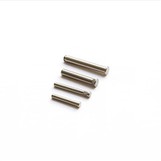
As a drone shaft supplier, I've witnessed firsthand the crucial role these components play in the smooth operation of drones. Drones have become ubiquitous in various industries, from aerial photography and videography to agriculture and delivery services. However, one aspect that often gets overlooked is the impact of environmental factors on drone shafts. In this blog post, we'll explore the environmental elements that can potentially damage a drone shaft and discuss ways to mitigate these risks.
Temperature Extremes
Temperature is one of the most significant environmental factors that can affect drone shafts. Extreme heat or cold can cause the materials used in the shafts to expand or contract, leading to stress and potential damage.
In high - temperature environments, materials like aluminum, which is commonly used in drone shafts, can expand. This expansion can lead to increased friction within the drone's moving parts. If the shaft expands beyond the tolerances of the surrounding components, it can cause binding, which may result in the motor overheating and potentially burning out. Moreover, prolonged exposure to high temperatures can also lead to a reduction in the material's strength over time, making the shaft more prone to bending or breaking.
On the other hand, in cold temperatures, materials contract. This contraction can cause the shaft to become brittle, especially if it is made of certain alloys. A sudden impact or vibration during flight in cold conditions can then cause the shaft to crack or snap. For example, in winter operations or in high - altitude flights where the temperature can drop significantly, these risks are heightened.
Humidity and Moisture
Humidity and moisture are another set of environmental factors that pose a threat to drone shafts. When a drone is exposed to high humidity or direct contact with water, the shaft can start to corrode. Most drone shafts are made of metals such as aluminum or steel, and these metals are susceptible to rust and corrosion when in contact with water and oxygen.
Corrosion can weaken the structural integrity of the shaft. Even a small amount of rust can act as a stress concentrator, making the shaft more likely to fail under normal operating loads. Additionally, moisture can seep into the bearings and other moving parts connected to the shaft, causing lubricants to break down. This can increase friction and wear on the shaft, leading to premature failure.
Drones that are used in coastal areas or during rainy seasons are particularly at risk. For instance, in a marine environment, the saltwater in the air can accelerate the corrosion process. Even if the drone is not directly submerged in water, the high - salt and high - humidity conditions can still cause significant damage over time.
Dust and Sand
Dust and sand particles in the environment can also cause damage to drone shafts. When a drone flies in dusty or sandy areas such as deserts or construction sites, these particles can enter the drone's internal components.
The abrasive nature of dust and sand can wear down the surface of the shaft. As the particles rub against the shaft during rotation, they can remove the protective coating and expose the underlying metal. This not only affects the appearance of the shaft but also increases the risk of corrosion. Moreover, the dust and sand can get into the bearings, causing them to malfunction. A malfunctioning bearing can put additional stress on the shaft, leading to misalignment and uneven wear.
UV Radiation
Ultraviolet (UV) radiation from the sun can have a long - term impact on drone shafts, especially if they are made of certain polymers or composite materials. UV radiation can break down the chemical bonds in these materials, causing them to become brittle and lose their strength.
Over time, this degradation can make the shaft more likely to crack or break under normal operating conditions. For example, drones that are frequently used for long - duration outdoor flights, such as agricultural drones that monitor large fields throughout the day, are exposed to a significant amount of UV radiation. This can gradually deteriorate the shaft and reduce its lifespan.
Mitigating the Risks
As a drone shaft supplier, I understand the importance of helping our customers protect their drone shafts from environmental damage. Here are some strategies that can be employed:
- Material Selection: Choose materials that are more resistant to environmental factors. For example, stainless steel can be used instead of regular steel to reduce the risk of corrosion. Some advanced composite materials are also highly resistant to temperature changes, UV radiation, and moisture.
- Coatings and Treatments: Apply protective coatings to the shafts. For instance, a corrosion - resistant coating can be used to prevent rust in humid or wet conditions. Anti - UV coatings can also be applied to shafts made of polymers or composites to protect them from UV radiation.
- Proper Storage: When the drone is not in use, store it in a dry, cool place. Avoid leaving it outside in extreme weather conditions. If possible, use a protective case to shield the drone from dust, sand, and moisture.
- Regular Maintenance: Regularly inspect the shafts for signs of damage, corrosion, or wear. Clean the shafts and bearings to remove any dust or debris. Replace lubricants as needed to ensure smooth operation.
Our Drone Shaft Products
At our company, we offer a wide range of high - quality drone shafts, including the Drone Yaw Shaft, Drone Pitch Shaft, and Drone Roll Shaft. Our shafts are designed to withstand various environmental conditions. We use advanced manufacturing techniques and high - quality materials to ensure the durability and reliability of our products.


Whether you are a professional drone operator or a hobbyist, we can provide you with the right shaft for your needs. Our team of experts is always available to offer advice on shaft selection and maintenance to help you get the most out of your drones.
Contact Us for Purchase and Consultation
If you are interested in purchasing our drone shafts or have any questions about how to protect your shafts from environmental damage, please don't hesitate to contact us. We are eager to have in - depth discussions with you and provide you with the best solutions for your drone shaft needs.
References
- "Handbook of Aerospace Materials" by ASM International
- "Corrosion Engineering" by Fontana, M. G.
- "Materials Science and Engineering: An Introduction" by Callister, William D.