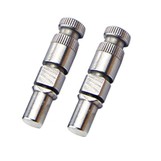
In the dynamic world of drones, the integrity and performance of every component are crucial. One such vital part is the drone shaft. As a dedicated drone shaft supplier, I've encountered numerous inquiries from enthusiasts and professionals alike about the possibility of replacing a drone shaft with a homemade one. In this blog, we'll delve into this topic, exploring the technical, practical, and safety aspects involved.
Understanding Drone Shafts
Before we can assess the viability of a homemade replacement, it's essential to understand the role and characteristics of drone shafts. Drone shafts are fundamental components that play a pivotal role in the drone's movement and stability. There are three main types of drone shafts: Drone Roll Shaft, Drone Yaw Shaft, and Drone Pitch Shaft.
The roll shaft controls the side - to - side movement of the drone, allowing it to tilt horizontally. The yaw shaft is responsible for the drone's rotation around its vertical axis, enabling it to turn left or right. Meanwhile, the pitch shaft governs the forward and backward movement of the drone. Each of these shafts must be precisely engineered to ensure smooth and accurate flight.
Technical Requirements of Drone Shafts
Drone shafts are subject to a variety of technical requirements. Firstly, they need to be lightweight. Since drones operate on the principles of flight, any unnecessary weight can significantly reduce their battery life, flight time, and overall performance. Materials such as carbon fiber, aluminum alloys, and titanium are commonly used in commercial drone shafts due to their high strength - to - weight ratios.
Secondly, the shafts must possess high strength and stiffness. During flight, the shafts are subjected to various forces, including vibrations, aerodynamic forces, and mechanical stresses. A weak or flexible shaft can lead to instability, inaccurate flight control, and even mechanical failure.
Precision is another critical factor. The dimensions of the drone shafts need to be extremely accurate to fit perfectly into the drone's frame and connect with other components such as motors and gears. Any deviation in size or shape can cause misalignment, which may result in uneven movement, increased wear and tear, and potential damage to the drone.
Challenges of Homemade Drone Shafts
When considering replacing a drone shaft with a homemade one, several challenges become apparent.
Material Selection
Finding suitable materials for a homemade drone shaft can be difficult. As mentioned earlier, commercial drone shafts often use specialized materials that are not readily available to the average hobbyist. For example, carbon fiber requires advanced manufacturing techniques and equipment to shape and bond properly. Aluminum alloys need to be heat - treated to achieve the desired strength and hardness, which is not easy to do at home.
Manufacturing Precision
Achieving the necessary precision in homemade shafts is extremely challenging. Without access to high - precision machining tools such as CNC (Computer Numerical Control) machines, it is almost impossible to produce shafts with the exact dimensions and tolerances required for a drone. Even minor inaccuracies can have a significant impact on the drone's performance.
Quality Assurance
Commercial drone shafts go through rigorous quality control processes to ensure they meet industry standards. In a home - made setting, it is difficult to perform comprehensive testing and quality checks. There is no way to accurately measure the strength, stiffness, and fatigue resistance of a homemade shaft, which means there could be hidden risks during flight.
Safety Concerns
Safety is a paramount consideration when it comes to drones. A faulty or poorly made drone shaft can pose a serious threat to the drone itself and its surroundings. If a homemade shaft fails during flight, the drone may lose control, crash, and cause damage to property or even injury to people. In addition, using non - standard components can void the drone's warranty, leaving the user responsible for any repairs or replacements.
Advantages of Commercial Drone Shafts
As a drone shaft supplier, I can attest to the many advantages of using commercial drone shafts. Firstly, they are designed and manufactured by professionals with extensive knowledge and experience in the field. These companies invest heavily in research and development to improve the performance and reliability of their products.
Secondly, commercial drone shafts come with a guarantee of quality. They are tested to meet strict industry standards and regulations, ensuring that they are safe and reliable for use. This gives drone users peace of mind knowing that their drones are equipped with high - quality components.
Finally, commercial suppliers offer a wide range of options. Whether you are looking for a shaft for a small hobby drone or a large professional - grade UAV (Unmanned Aerial Vehicle), you can find the right product to suit your needs.
When Homemade Shafts Might Be an Option
Despite the challenges, there are some situations where using a homemade drone shaft might be a viable option. For hobbyists with limited budgets or those who are simply looking for a fun DIY project, a homemade shaft can be a learning experience. However, it should be noted that this is more of an experimental approach and should only be attempted on drones that are not used for critical applications.
If you have access to basic machining tools and some technical knowledge, you might be able to create a simple shaft for a small, low - performance drone. For example, you could use a wooden dowel or a plastic rod as a temporary replacement in a pinch. But keep in mind that these makeshift shafts will not offer the same level of performance and reliability as commercial ones.


Conclusion
In conclusion, while the idea of replacing a drone shaft with a homemade one may seem appealing, it is generally not recommended for most drone users. The technical requirements, manufacturing challenges, and safety concerns associated with homemade shafts make them a risky choice.
As a drone shaft supplier, I encourage you to choose commercial drone shafts for their superior quality, performance, and safety. We offer a wide range of Drone Roll Shaft, Drone Yaw Shaft, and Drone Pitch Shaft that are carefully engineered to meet the highest standards.
If you are interested in purchasing high - quality drone shafts or have any questions about our products, please feel free to contact us for further discussion. We are always ready to assist you in finding the perfect components for your drone.
References
- "Drone Technology and Applications" - A comprehensive textbook on drone engineering and technology.
- Industry reports on drone component manufacturing and quality control.
- Research papers on materials science and their applications in drone manufacturing.