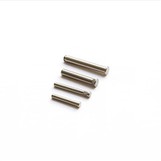
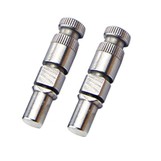
The turning radius of a drone is a crucial parameter that significantly impacts its maneuverability and performance in various applications, such as aerial photography, delivery services, and surveillance. Among the many factors influencing the drone's turning ability, the drone yaw shaft plays a vital role. As a leading supplier of Drone Yaw Shaft, I am excited to delve into the intricate relationship between the drone yaw shaft and the turning radius of the drone.
Understanding the Basics of Drone Movement
Before we explore the influence of the yaw shaft on the turning radius, it's essential to understand the basic movements of a drone. A drone can perform three primary types of rotational movements: pitch, roll, and yaw. The pitch movement refers to the tilting of the drone's nose up or down, which is controlled by the Drone Pitch Shaft. The roll movement involves the side - to - side tilting of the drone, regulated by the Drone Roll Shaft. The yaw movement, on the other hand, is the rotation of the drone around its vertical axis, and it is directly related to the drone yaw shaft.
The Function of the Drone Yaw Shaft
The drone yaw shaft is a mechanical component that enables the yaw movement of the drone. It is typically connected to a motor or a servo system that provides the necessary torque to rotate the drone. When the yaw shaft rotates, it changes the orientation of the drone in the horizontal plane. The yaw shaft's design, material, and performance characteristics can have a profound impact on the drone's ability to turn.
Impact of Yaw Shaft Torque on Turning Radius
One of the most significant factors is the torque provided by the yaw shaft. Torque is the rotational force that causes the drone to yaw. A yaw shaft with high torque can generate a greater rotational force, allowing the drone to turn more quickly. When a drone needs to make a turn, a higher torque from the yaw shaft means that the drone can change its heading at a faster rate. As a result, the turning radius can be reduced.
For example, in a high - speed drone used for racing, a powerful yaw shaft with high torque is essential. These drones need to make sharp turns around obstacles on the race track. With a yaw shaft that can deliver sufficient torque, the drone can execute tight turns with a relatively small turning radius, giving it a competitive edge over other drones with weaker yaw shafts.
Conversely, a yaw shaft with low torque may not be able to generate enough force to turn the drone quickly. This can lead to a larger turning radius, as the drone takes more time and distance to change its heading. In applications where space is limited, such as indoor drone operations, a large turning radius can be a significant drawback.
Yaw Shaft Precision and Turning Radius
The precision of the yaw shaft is another critical factor. A precise yaw shaft can accurately control the amount of rotation, ensuring that the drone turns exactly as intended. When the yaw shaft has high precision, the drone can make small, incremental turns, which can help in reducing the turning radius.
In contrast, a yaw shaft with poor precision may over - or under - rotate the drone. If the yaw shaft over - rotates the drone, it may need to make additional adjustments to correct its heading, resulting in a larger turning radius. Similarly, under - rotation can cause the drone to take a wider path to reach the desired heading.
For instance, in aerial photography, where the drone needs to make smooth and accurate turns to capture the perfect shot, a high - precision yaw shaft is indispensable. The photographer can control the drone to make small, precise turns around a subject, minimizing the turning radius and getting the best possible angle.
Yaw Shaft Response Time and Turning Radius
The response time of the yaw shaft also affects the turning radius. Response time refers to the time it takes for the yaw shaft to start rotating after receiving a command. A yaw shaft with a short response time can initiate the turn quickly, allowing the drone to start changing its heading without delay.
In dynamic environments, such as search - and - rescue operations, a fast - responding yaw shaft is crucial. The drone may need to make sudden turns to avoid obstacles or to follow a moving target. A yaw shaft with a long response time may cause the drone to miss the opportunity to make a timely turn, resulting in a larger turning radius.
Yaw Shaft Material and Durability
The material used in the yaw shaft can influence its performance and, consequently, the turning radius. High - quality materials, such as carbon fiber or titanium, can offer several advantages. These materials are lightweight, which reduces the overall weight of the drone. A lighter drone requires less force to turn, which can contribute to a smaller turning radius.
Moreover, these materials are strong and durable, which means that the yaw shaft can withstand the stresses and strains of continuous operation. A durable yaw shaft is less likely to experience wear and tear, ensuring consistent performance over time. In contrast, a yaw shaft made of low - quality materials may deform or break under stress, leading to erratic yaw movements and an increased turning radius.
Design of the Yaw Shaft and Aerodynamics
The design of the yaw shaft can also have an impact on the drone's aerodynamics, which in turn affects the turning radius. A well - designed yaw shaft can minimize air resistance during the yaw movement. When the air resistance is low, the drone can turn more efficiently, and the turning radius can be reduced.
For example, a streamlined yaw shaft design can reduce drag forces acting on the drone during a turn. This allows the drone to maintain its speed and stability while turning, resulting in a smaller turning radius. On the other hand, a poorly designed yaw shaft with a bulky or irregular shape can create additional drag, making it more difficult for the drone to turn and increasing the turning radius.
Applications and the Ideal Turning Radius
Different drone applications have different requirements for the turning radius. In mapping and surveying applications, drones often need to cover large areas in an efficient manner. A relatively larger turning radius may be acceptable as long as the drone can maintain a stable flight path and collect accurate data.


However, in applications such as package delivery in urban areas or drone inspection of complex structures, a small turning radius is essential. These drones need to navigate through tight spaces and around obstacles, and a large turning radius can make the operation difficult or even impossible.
Conclusion and Call to Action
In conclusion, the drone yaw shaft has a significant influence on the turning radius of the drone. Its torque, precision, response time, material, and design all play crucial roles in determining how well the drone can turn. As a supplier of high - quality Drone Yaw Shaft, we understand the importance of these factors and strive to provide products that can meet the diverse needs of our customers.
If you are looking for a reliable yaw shaft to improve your drone's turning performance and reduce its turning radius, we invite you to contact us for a detailed discussion. Our team of experts can help you select the most suitable yaw shaft for your specific application. Whether you are involved in commercial drone operations, research, or hobbyist projects, we have the solutions to enhance your drone's maneuverability.
References
- Anderson, D. J., & Eberhardt, S. E. (2001). Understanding Flight. McGraw - Hill.
- Newman, W. S. (2015). Introduction to Aeronautics: A Design Perspective. AIAA Education Series.
- Simons, D. (2001). Model Aircraft Aerodynamics. Aeronautical Research Association of the UK.