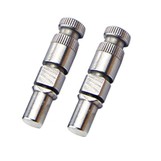
As a supplier of eccentric shafts, I've witnessed firsthand the critical role that surface finish plays in the performance and functionality of these essential components. Eccentric shafts are used in a wide range of applications, from automotive engines to industrial machinery, and the quality of their surface finish can significantly impact their efficiency, durability, and overall performance. In this blog post, I'll delve into the importance of surface finish for eccentric shafts and explain why it matters so much in various industries.


Understanding Surface Finish
Before we explore why surface finish matters, let's first understand what it means. Surface finish refers to the texture and quality of the surface of a component. It is typically measured in terms of roughness, waviness, and lay. Roughness refers to the small, irregular deviations on the surface, while waviness refers to the larger, more gradual deviations. Lay refers to the direction of the predominant surface pattern.
The surface finish of an eccentric shaft is determined by the manufacturing process used to produce it. Common manufacturing processes for eccentric shafts include turning, milling, grinding, and honing. Each process can produce a different surface finish, and the choice of process depends on the specific requirements of the application.
Impact on Performance
The surface finish of an eccentric shaft can have a significant impact on its performance. A smooth surface finish reduces friction and wear, which can improve the efficiency and durability of the shaft. When an eccentric shaft has a rough surface, it can cause increased friction between the shaft and other components, leading to energy losses and premature wear. This can result in reduced performance, increased maintenance costs, and even system failures.
In automotive applications, for example, the surface finish of an eccentric shaft can affect the performance of the engine. A smooth surface finish can reduce friction between the shaft and the bearings, allowing the engine to operate more efficiently. This can result in improved fuel economy, reduced emissions, and increased power output. On the other hand, a rough surface finish can cause increased friction and wear, leading to decreased performance and potentially costly repairs.
Impact on Functionality
In addition to its impact on performance, the surface finish of an eccentric shaft can also affect its functionality. A smooth surface finish can improve the accuracy and precision of the shaft, which is crucial in applications where tight tolerances are required. For example, in precision machinery, such as CNC machines, the surface finish of an eccentric shaft can affect the accuracy of the machining process. A rough surface finish can cause vibrations and inaccuracies, leading to poor quality parts and reduced productivity.
Furthermore, the surface finish of an eccentric shaft can also affect its corrosion resistance. A smooth surface finish can provide a protective barrier against corrosion, preventing the shaft from rusting and deteriorating over time. This is particularly important in applications where the shaft is exposed to harsh environments, such as in marine or chemical industries.
Importance in Different Industries
The importance of surface finish for eccentric shafts varies depending on the industry and application. In the automotive industry, as mentioned earlier, a smooth surface finish is essential for improving engine performance and efficiency. In the aerospace industry, where reliability and safety are paramount, the surface finish of eccentric shafts must meet strict quality standards to ensure the proper functioning of critical components.
In the industrial machinery industry, the surface finish of eccentric shafts can affect the performance and longevity of the equipment. A smooth surface finish can reduce downtime and maintenance costs, while a rough surface finish can lead to frequent breakdowns and costly repairs.
In the medical industry, where precision and cleanliness are crucial, the surface finish of eccentric shafts used in medical devices must be carefully controlled to ensure the safety and effectiveness of the devices.
Choosing the Right Surface Finish
When choosing the surface finish for an eccentric shaft, several factors need to be considered. These include the application requirements, the material of the shaft, the manufacturing process, and the cost.
For applications where low friction and wear are critical, a smooth surface finish is typically preferred. This can be achieved through processes such as grinding or honing. However, these processes can be more expensive and time-consuming compared to other manufacturing processes.
The material of the shaft also plays a role in determining the appropriate surface finish. For example, stainless steel eccentric shafts may require a different surface finish compared to carbon steel shafts. Stainless steel is more resistant to corrosion, but it can be more difficult to machine to a smooth surface finish.
The manufacturing process used to produce the eccentric shaft can also affect the surface finish. Some processes, such as turning, may produce a rougher surface finish compared to grinding or honing. Therefore, it's important to choose the manufacturing process that is best suited for the desired surface finish.
Our Offerings
As a supplier of eccentric shafts, we offer a wide range of products with different surface finishes to meet the diverse needs of our customers. Our Stainless Steel Eccentric Shaft is made from high-quality stainless steel and features a smooth surface finish for improved corrosion resistance and performance. Our Precision Eccentric Shaft is designed for applications where tight tolerances and high precision are required, and it is manufactured using advanced machining processes to ensure a smooth and accurate surface finish.
Conclusion
In conclusion, the surface finish of an eccentric shaft matters significantly in terms of its performance, functionality, and durability. A smooth surface finish can reduce friction and wear, improve efficiency, and enhance the accuracy and precision of the shaft. It can also provide better corrosion resistance, which is important in harsh environments.
When choosing an eccentric shaft, it's crucial to consider the surface finish and select the one that best meets the requirements of your application. As a trusted supplier of eccentric shafts, we are committed to providing high-quality products with excellent surface finishes. If you have any questions or need assistance in choosing the right eccentric shaft for your needs, please don't hesitate to contact us. We look forward to discussing your requirements and helping you find the perfect solution for your application.
References
- "Machining Fundamentals" by John A. Schey
- "Materials Science and Engineering: An Introduction" by William D. Callister Jr. and David G. Rethwisch
- "Automotive Engine Design" by David Crolla