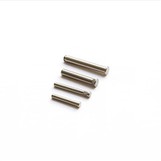
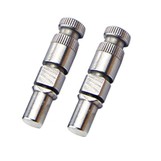
Hey there, fellow drone enthusiasts! As a supplier of Drone Pitch Shaft, I've seen firsthand how important it is to keep your drone's pitch shaft in top - notch condition. In this blog, I'm gonna share some tips on how to maintain a drone pitch shaft.


Why Maintenance Matters
First off, let's talk about why maintaining your drone pitch shaft is a big deal. The pitch shaft plays a crucial role in controlling the angle of your drone's nose up or down. If it's not working properly, your drone might not fly smoothly, or worse, it could crash. A well - maintained pitch shaft ensures that your drone has accurate and stable pitch control, which is essential for safe and efficient flights.
Regular Inspection
The first step in maintaining your drone pitch shaft is regular inspection. You should check it before and after every flight. Start by looking for any visible signs of damage, like cracks, bends, or loose parts. If you notice any cracks, it's a major red flag. Even a small crack can weaken the shaft and lead to failure during flight.
Check the connections as well. Make sure the pitch shaft is securely attached to the drone's frame and other components. Loose connections can cause vibrations, which can further damage the shaft over time. You can use a small screwdriver to tighten any loose screws, but be careful not to overtighten them as this can also cause problems.
Cleaning
Cleaning the pitch shaft is also super important. Dirt, dust, and debris can accumulate on the shaft, especially if you fly your drone in dirty or dusty environments. This buildup can affect the shaft's performance and cause it to wear out faster.
To clean the pitch shaft, use a soft, dry cloth to wipe away any visible dirt. For more stubborn dirt or grime, you can use a mild cleaning solution. Just make sure it's safe for the materials of your pitch shaft. Avoid using abrasive cleaners or tools that could scratch the shaft.
After cleaning, dry the shaft thoroughly. Moisture can cause rust and corrosion, which can seriously damage the shaft. If you've flown your drone in wet conditions, it's even more important to clean and dry the pitch shaft as soon as possible.
Lubrication
Proper lubrication is key to keeping your pitch shaft running smoothly. Lubrication reduces friction between the moving parts of the shaft, which helps to prevent wear and tear. It also improves the overall performance of the pitch control system.
However, you need to use the right type of lubricant. There are different lubricants available for drones, and you should choose one that is specifically designed for drone components. Apply the lubricant sparingly to the moving parts of the pitch shaft, such as the bearings. Too much lubricant can attract dirt and debris, which can cause more problems.
Storage
How you store your drone can also have an impact on the pitch shaft. When you're not using your drone, store it in a cool, dry place. Avoid storing it in areas with high humidity or extreme temperatures, as these conditions can damage the shaft.
If you're traveling with your drone, make sure it's properly protected. Use a good - quality drone case that provides cushioning and support. This will prevent the pitch shaft from getting damaged during transportation.
Comparing with Other Shafts
It's also worth mentioning the differences between the pitch shaft and other important drone shafts, like the Drone Roll Shaft and the Drone Yaw Shaft. The roll shaft controls the side - to - side movement of the drone, while the yaw shaft controls the rotation around the vertical axis.
Each shaft has its own unique functions and maintenance requirements. However, many of the general maintenance principles, such as inspection, cleaning, and lubrication, apply to all of them. By understanding the differences and similarities, you can better maintain your entire drone's control system.
Troubleshooting
Even with regular maintenance, you might encounter some issues with your pitch shaft. If you notice that your drone's pitch control is not working correctly, there could be a problem with the shaft.
One common issue is a binding pitch shaft. This can happen if there's dirt or debris in the bearings or if the shaft is bent. If you suspect a binding problem, try cleaning the shaft and lubricating the bearings. If the problem persists, you might need to replace the shaft.
Another issue could be excessive vibration. Vibration can be caused by loose connections, unbalanced components, or a damaged shaft. Check all the connections and make sure they're tight. If the vibration continues, it's best to have a professional take a look at your drone.
Importance of Quality Parts
As a supplier of drone pitch shafts, I can't stress enough the importance of using high - quality parts. A cheap or low - quality pitch shaft might save you some money upfront, but it's likely to cause problems in the long run. High - quality shafts are made from better materials and are more durable. They're also more likely to be precisely engineered, which means better performance and fewer maintenance issues.
When you're looking to replace a pitch shaft, make sure you choose a reputable supplier. Look for reviews and testimonials from other drone owners to get an idea of the quality of the parts.
Conclusion
Maintaining your drone pitch shaft is not that complicated, but it does require some attention and effort. By following these tips, you can ensure that your pitch shaft stays in good condition and your drone flies safely and smoothly.
If you're in the market for a new drone pitch shaft or have any questions about maintenance, don't hesitate to reach out. I'm here to help you keep your drone in the best shape possible. Whether you're a beginner or an experienced drone pilot, proper maintenance is the key to getting the most out of your drone.
Let's work together to keep your drones flying high!
References
- "Drone Maintenance Handbook" - A comprehensive guide on maintaining various drone components.
- Online drone communities and forums where drone enthusiasts share their experiences and maintenance tips.